
Spreading the Love: A Guide to Propagating Polygala arillata (Milkwort)
The enchanting Polygala arillata, also known as Milkwort, is a vibrant, low-growing perennial that charms with its elegant blooms. These striking flowers, resembling miniature butterflies perched on slender stems, are a welcome addition to any garden. But did you know that this beauty can also be easily multiplied through propagation?
This guide will walk you through the different methods of propagating Polygala arillata, allowing you to share this lovely plant’s magic with your family, friends, or even your own burgeoning garden.
Seed Propagation: A Patient Gardener’s Path
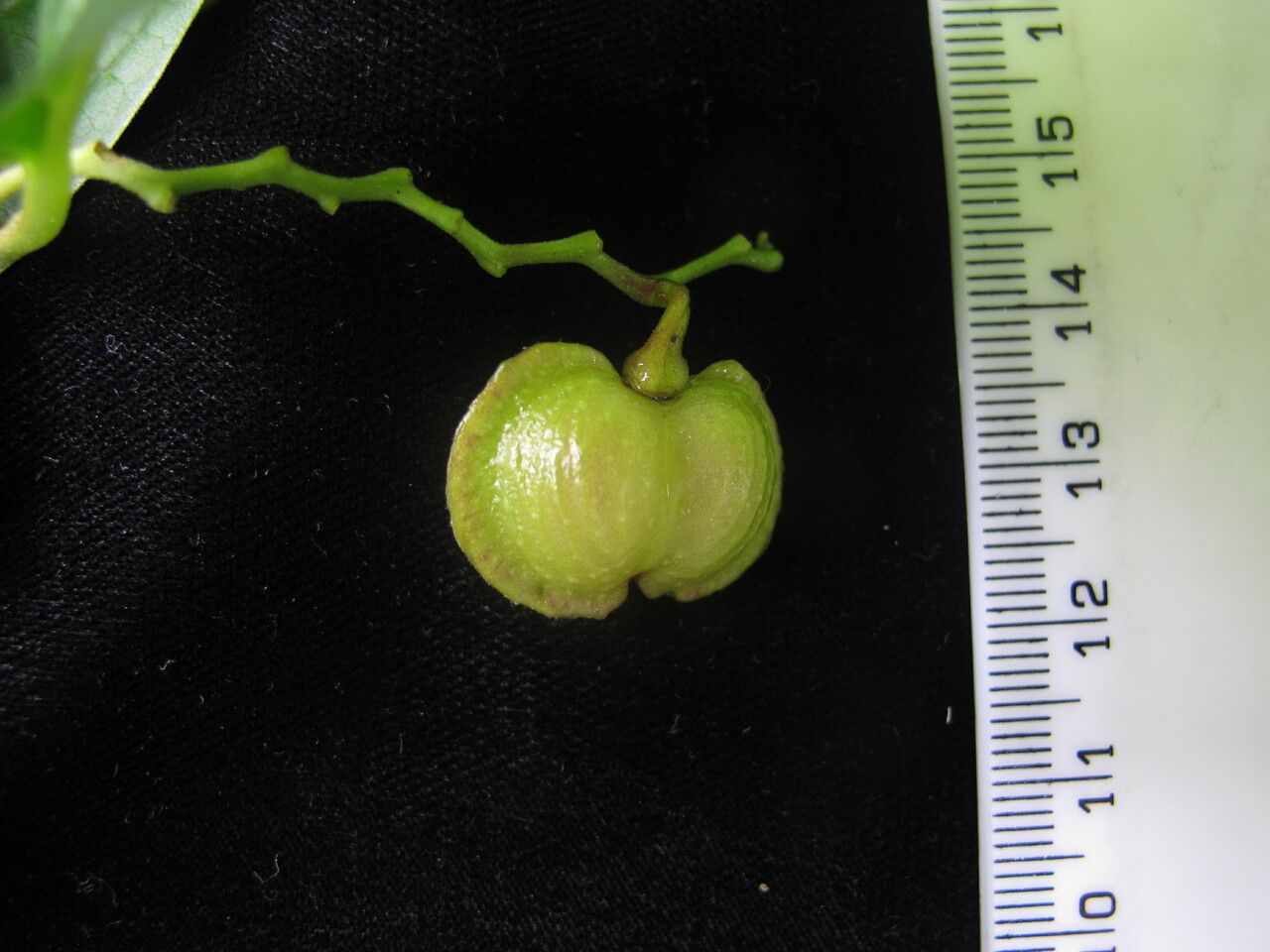
Patience is key when propagating Milkwort from seed. Collected from the spent seed pods after blooming, these tiny seeds need a period of cold stratification to mimic natural winter conditions and trigger germination.
- Gather Seeds: Once the Milkwort flowers fade, collect the seed pods, ensuring they are dry and mature. Extract the small, black seeds within.
- Cold Stratification: Place the seeds in a sealed container filled with moist vermiculite or peat moss. Store the container in your refrigerator for 8-12 weeks at a temperature between 33-41°F (1-5°C).
- Sow Seeds: After stratification, fill seed trays with a well-draining seed starting mix. Sow the seeds thinly, barely covering them with soil. Water gently and place the tray under a bright, indirect light source.
- Wait and Watch: Germination can take several weeks. Keep the soil consistently moist but not waterlogged.
Division: Sharing the Bounty
Dividing established Milkwort plants is a quicker and more reliable method of propagation, especially for gardeners looking for instant gratification.
- Timing: Spring or fall are the ideal times for division.
- Preparation: Dig around the plant carefully, gently lifting it from the ground.
- Dividing the Roots: Use a sharp knife or gardening shears to separate the plant into sections, ensuring each division has healthy roots and foliage.
- Replant: Plant the divisions in well-prepared soil, spacing them according to their mature size. Water thoroughly.
Cuttings: A Speedy Approach
For those seeking a fast and easy method, stem cuttings offer an alternative to seed sowing and division.
- Choose the Right Cuttings: Select softwood cuttings from new growth, ideally in mid-summer. Cuttings should be 2-3 inches long, taken just below a leaf node.
- Prepare the Cuttings: Remove the lower leaves on the cutting to expose the stem. Apply a rooting hormone to the cut end.
- Propagate: Plant the cuttings in a seed starting tray filled with a moist, well-draining mix. Cover the tray with a plastic dome or humidity tent to maintain moisture.
- Root Development: Keep the cuttings in a bright, indirect light location and maintain a consistently moist rooting medium. Roots should start to develop in 3-4 weeks.
Caring for Your New Milkwort Plants
Regardless of the propagation method chosen, providing proper care is essential for your new Milkwort plants to thrive. Choose a location with well-drained soil and plenty of sunlight. Water consistently, allowing the soil to dry slightly between waterings.
With a little patience and care, you can enjoy the beauty of Polygala arillata throughout your garden, sharing this delightful plant with others and creating a tapestry of vibrant blooms that will bring joy to your surroundings. So, grab your gardening tools, gather your Milkwort seeds, and embark on this fulfilling journey of propagation. It’s time to spread the love of Milkwort!