
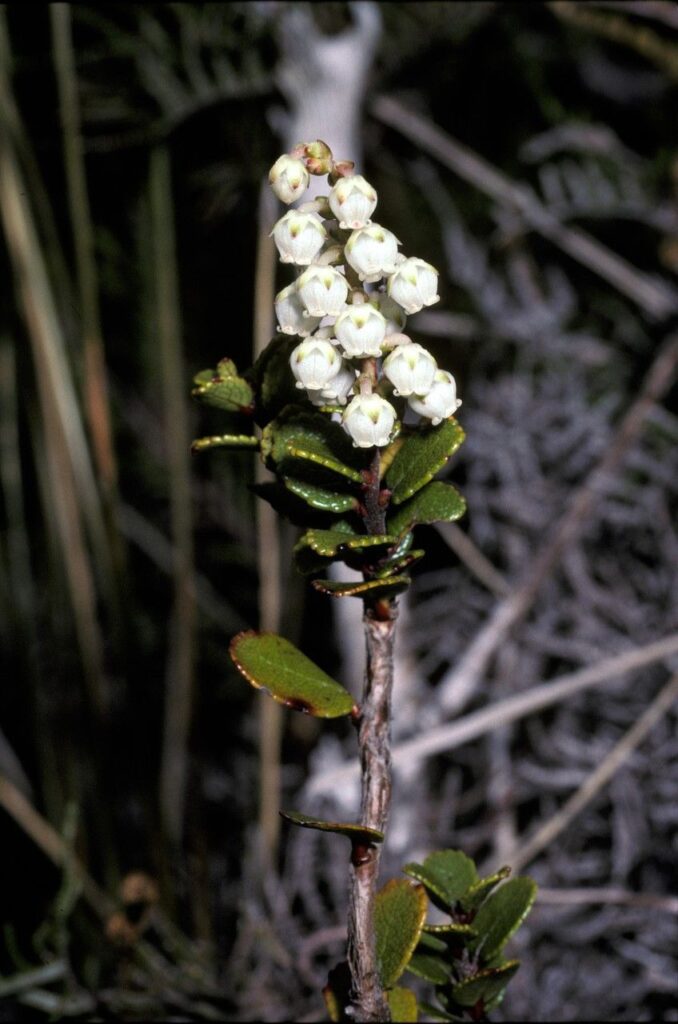
Unlocking the Secrets of Gaultheria insipida: A Guide to Propagation
Gaultheria insipida, with its delicate, bell-shaped flowers and vibrant berries, is a sight to behold. While admiring its natural beauty is a joy, wouldn’t it be even more rewarding to cultivate this stunning plant yourself? While it might sound daunting, propagating Gaultheria insipida is an achievable feat for both seasoned gardeners and enthusiastic beginners. This guide will equip you with the knowledge and confidence to propagate this captivating species and welcome its charm into your own green space.
Understanding Gaultheria insipida
Native to the mountainous regions of the Americas, Gaultheria insipida is a member of the Ericaceae family, which includes blueberries and rhododendrons. Thriving in acidic, well-drained soils and dappled shade, this evergreen shrub typically reaches a height of 1-2 feet. While its delicate white or pink blossoms add an air of elegance, it’s the vibrant red, blue, or white berries that truly steal the show.
Propagation Techniques
Two main methods reign supreme when it comes to propagating Gaultheria insipida:
1. Seed Propagation:
- Seed Collection: Begin by collecting ripe berries in the fall. Gently crush the berries to reveal the tiny seeds within.
- Stratification: Gaultheria seeds benefit from a period of cold stratification, mimicking their natural environment. Mix the seeds with moist sand or vermiculite and store them in the refrigerator for 8-12 weeks.
- Sowing: Once stratified, sow the seeds in a well-draining seed-starting mix. Surface sow them, pressing them gently into the mix without burying them.
- Conditions: Provide bright, indirect light and maintain consistent moisture. Germination typically takes 4-6 weeks.
- Transplanting: Once seedlings develop a strong root system and several sets of true leaves, they can be transplanted into individual pots or outdoors in a prepared bed.
2. Cutting Propagation:
- Timing: Choose healthy, non-flowering stems for cuttings in late spring or early summer.
- Taking Cuttings: Using a sharp, sterilized knife or pruning shears, take 4-6 inch cuttings just below a node.
- Preparation: Remove the lower leaves from the cutting, leaving 2-3 sets of leaves at the top.
- Rooting Hormone (Optional): While not essential, dipping the cut end in rooting hormone can increase the success rate.
- Planting: Plant the cuttings in a well-draining mix of peat moss and perlite, burying the bottom node.
- Humidity: Maintaining high humidity around the cuttings is crucial for successful rooting. Cover the pot with a plastic bag or use a propagation dome to create a humid environment.
- Rooting Time: Cuttings generally take 6-8 weeks to develop roots.
- Transplanting: Once rooted, gradually acclimate the cuttings to outdoor conditions before transplanting them to their final location.
Tips for Success
- Soil: Gaultheria insipida thrives in acidic soil with a pH between 4.5 and 5.5. Amending your soil with peat moss or compost can help create the ideal environment.
- Watering: Consistent moisture is crucial, but be wary of overwatering. Allow the soil to dry slightly between waterings.
- Light: Aim for dappled shade or morning sun with afternoon shade. Avoid harsh, direct sunlight.
- Patience: Both seed and cutting propagation require patience. Don’t be discouraged if you don’t see results immediately.
Propagating Gaultheria insipida, while requiring a gentle touch and a keen eye, is a rewarding endeavor. By following these steps and embracing patience, you can successfully cultivate this captivating plant and enjoy its unique charm for years to come.