
Propagating Gaussia princeps: Challenges and Rewards of Cultivating the Elegant "Prince’s Palm"
Introduction
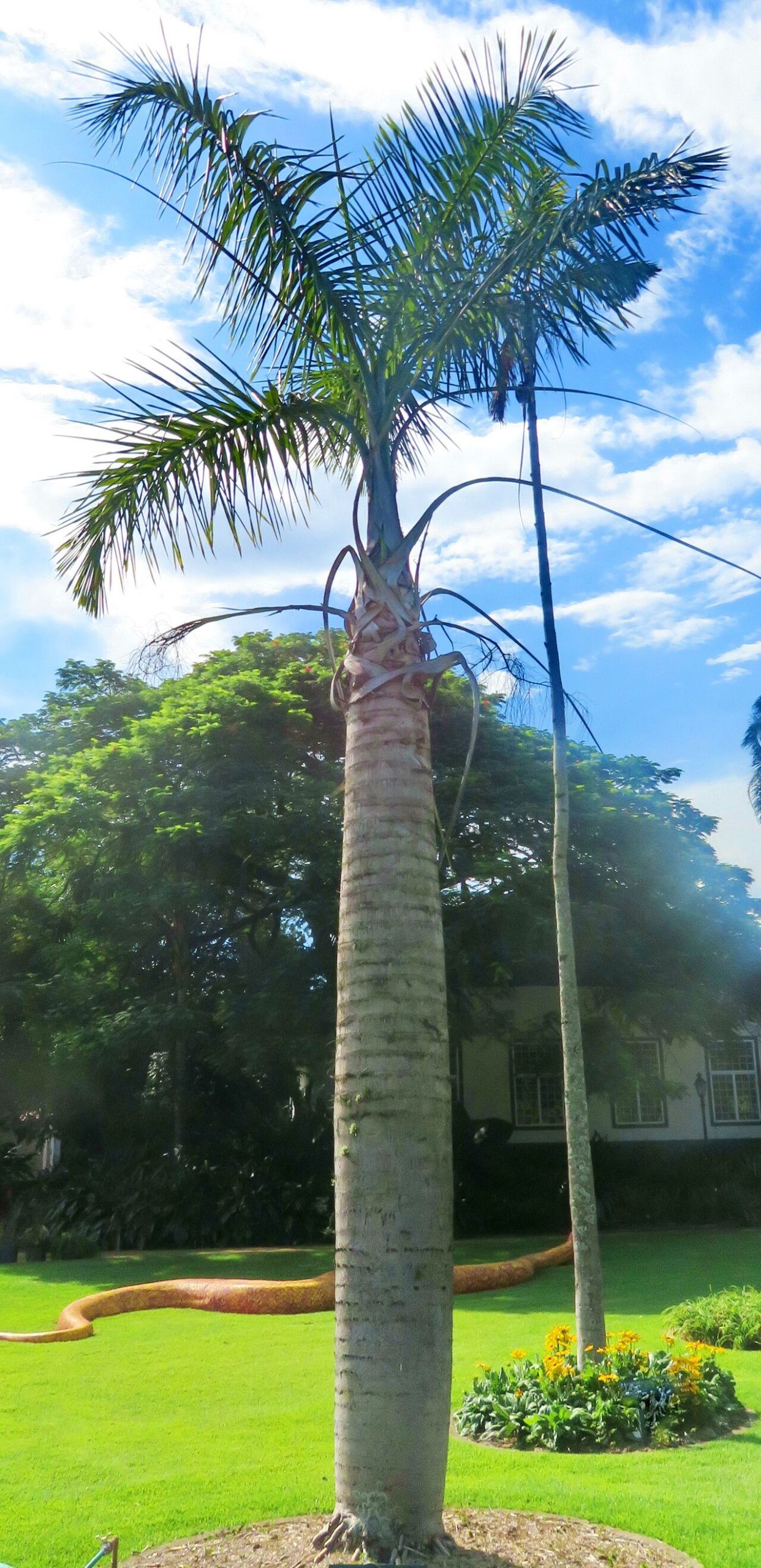
Gaussia princeps, commonly known as the Prince’s Palm, is a striking, single-stemmed palm native to Cuba. Its slender, elegant trunk topped with a crown of gracefully arching, feathery leaves makes it a highly sought-after ornamental plant for both tropical and subtropical gardens. Its relative rarity and unique beauty contribute to its popularity among collectors and enthusiasts, making propagation a subject of considerable interest. However, compared to other palms, propagating Gaussia princeps presents several challenges.
Seed Germination:
Currently, there are no known reliable methods for seed germination propagation of Gaussia princeps. While seeds may be produced, their viability is extremely low, and successful germination has not been consistently replicated. Further research into seed physiology and germination requirements is needed.
Cuttings:
Cuttings present another significant challenge for propagating Gaussia princeps. Palms generally exhibit poor rooting from stem cuttings. The Prince’s Palm is no exception. Experiments with various hormone treatments and rooting mediums have yielded limited success.
Challenges: The low success rate is attributed to the palm’s inherent difficulty in forming adventitious roots and its susceptibility to fungal and bacterial infections during the rooting phase.
Practical Tips (Limited): While not reliably successful, one might try semi-hardwood cuttings taken from young, actively growing stems. The use of rooting hormones (e.g., IBA) and a sterile, well-draining rooting medium could marginally improve chances, though success remains extremely low.
Rewards (Conditional): If successful, a cutting would create a genetically identical plant to the mother plant, preserving desirable traits. However, given the low success rate, this method is not practical for large-scale propagation.
Division:
Division is also not a viable method for propagating Gaussia princeps. The Prince’s Palm is a single-stemmed species, meaning it does not produce suckers or offsets that can be separated and grown independently.
Tissue Culture:
Tissue culture offers the most promising avenue for propagating Gaussia princeps. This sophisticated technique involves growing plant tissues in a sterile, nutrient-rich medium, allowing for rapid multiplication of genetically identical plants.
Challenges: Establishing a suitable protocol for Gaussia princeps would require considerable expertise and experimentation to identify optimal media compositions, growth regulators, and sterilization procedures. The process is also costly and requires specialized equipment.
Practical Tips: Research on tissue culture protocols for other palm species may offer a starting point. Collaboration with experienced tissue culture laboratories would enhance the chances of success.
Rewards: Tissue culture allows for the mass production of Gaussia princeps plants, preserving desirable traits and providing a more sustainable propagation method compared to others. This would satisfy the increasing demands from plant collectors and gardeners.
Conclusion:
Propagating Gaussia princeps presents an intriguing challenge to plant enthusiasts. While seed germination, cuttings, and division are largely ineffective, tissue culture offers the most promising, though technically demanding, solution. The investment of time, resources, and expertise in tissue culture is rewarded by the potential to preserve this elegant palm and make it more readily available to gardeners. The unique satisfaction derived from successfully cultivating Gaussia princeps, despite the difficulties, is a testament to the perseverance and passion of the plant propagator. Aspiring cultivators should consider partnering with experienced professionals and embracing the scientific approach to enhance their chances in this rewarding yet demanding endeavor.