Propagating Olyra longifolia: A Gardener’s Guide to the "Bamboo Grass"
Introduction:
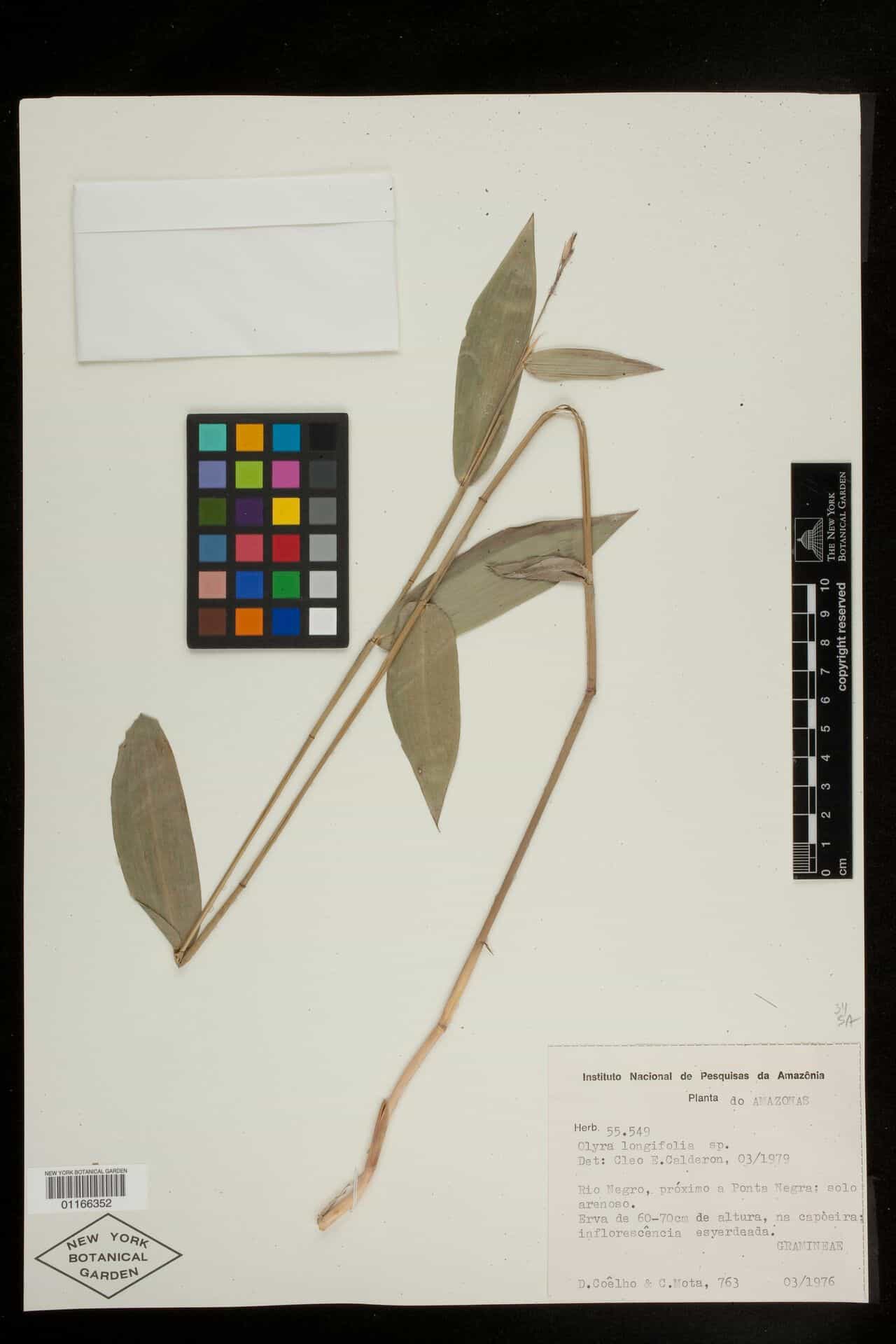
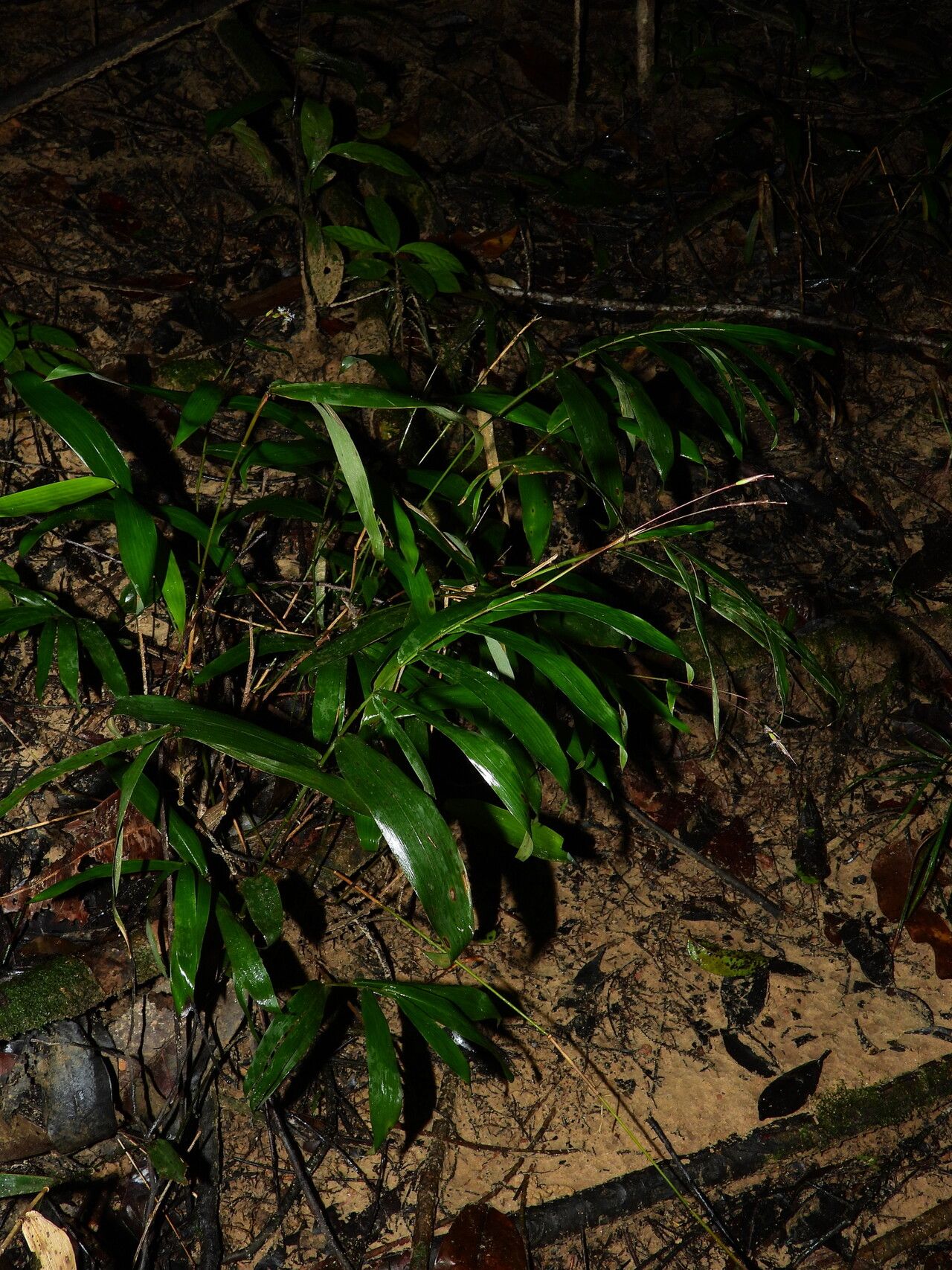
Olyra longifolia, commonly known as bamboo grass, is a striking ornamental grass valued for its tall, slender culms (stems) and attractive foliage. Its arching leaves create a graceful, almost bamboo-like appearance, making it a popular choice among gardeners seeking a touch of tropical elegance. However, its propagation presents unique challenges. While it’s not widely commercially propagated, its intriguing characteristics and relative rarity add to its allure for those keen on horticultural experimentation. This article explores various methods of propagating Olyra longifolia and assesses their viability.
Seed Germination:
Currently, there are no known reliable methods for seed germination propagation of Olyra longifolia. While the plant does produce seeds, their germination rate is reportedly exceptionally low, making this method impractical for most home gardeners. Further research is needed to determine if specific pre-treatment techniques (such as specific stratification periods or scarification) could improve germination success.
Cuttings:
Viability: Propagation through stem cuttings is a more promising approach for Olyra longifolia.
Challenges: The success rate can vary depending on factors such as the age and health of the parent plant, the timing of the cuttings, and the environmental conditions provided. Rooting can be slow.
Practical Tips: Take semi-hardwood cuttings (partially mature stems) in late spring or early summer. Use a sharp, clean blade to cut 4-6 inch sections, removing lower leaves to prevent rot. Treat the cut ends with a rooting hormone to stimulate root development. Plant the cuttings in a well-draining rooting medium such as perlite or a mix of perlite and peat moss. Maintain high humidity (e.g., by using a humidity dome or misting regularly) and moderate warmth (around 70-75°F).
Rewards: This method offers a relatively straightforward way to increase the number of Olyra longifolia plants, allowing for the preservation of desirable traits from the parent plant.
Division:
Viability: Division is potentially the most reliable method for propagating established Olyra longifolia plants.
Challenges: This method is only feasible for mature, well-established plants with a significant root system. Care must be taken to avoid damaging the roots during the division process.
Practical Tips: Divide the plant in late spring or early autumn when the plant is actively growing but not under stress from extreme heat or cold. Dig up the entire plant carefully, ensuring as much of the root system is intact as possible. Divide the root ball into several sections, each with its own healthy set of roots and several stems. Replant the divisions immediately, ensuring they are planted at the same depth as the original plant. Water well after planting.
Rewards: Division guarantees a quick establishment of new plants and avoids the lengthy rooting period associated with cuttings.
Tissue Culture:
Viability: Tissue culture offers the potential for rapid and large-scale propagation of Olyra longifolia, but it requires specialized equipment, sterile conditions, and horticultural expertise.
Challenges: This method is costly and technically demanding, requiring specialized knowledge and laboratory facilities. Developing suitable culture media and protocols is crucial for success.
Practical Tips: This is not a method suitable for the home gardener. It requires a controlled environment, sterile techniques, and specific growth media formulated for Olyra longifolia.
Rewards: Tissue culture provides a way to rapidly produce many genetically identical plants, and it can be utilized for disease-free propagation.
Conclusion:
Propagating Olyra longifolia presents several challenges, with division and cuttings offering the most practical methods for the average gardener. While seed germination remains unreliable, and tissue culture is beyond the reach of most enthusiasts, the rewards of successfully cultivating this elegant grass are significant. The patience and persistence required to propagate Olyra longifolia contribute to the immense satisfaction derived from nurturing it from a cutting or division into a thriving plant. Don’t be discouraged by initial setbacks – experimentation and persistence are key to succeeding with this unique and rewarding plant. Remember to pay close attention to the environmental conditions you provide to maximize the success of any chosen propagation method.