
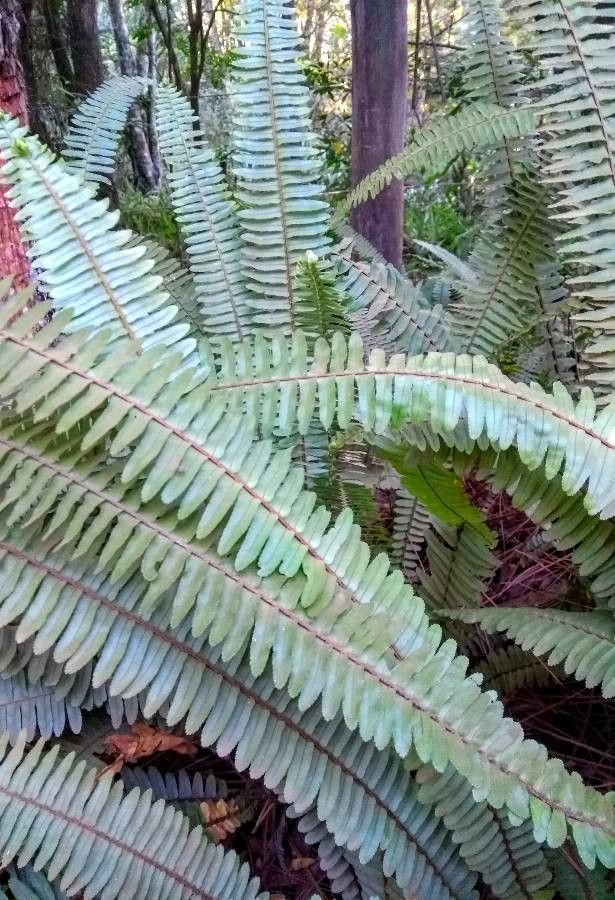
Propagating the Sword Fern: Unveiling the Secrets of Nephrolepis pectinata
Introduction:
Nephrolepis pectinata, commonly known as the Sword Fern, is a captivating epiphytic fern prized for its elegantly arching fronds and delicate, finely textured foliage. Its popularity among gardeners stems from its relatively low-maintenance nature and its ability to thrive in a range of indoor and outdoor environments, provided suitable humidity is maintained. While relatively easy to care for as a mature plant, propagating Nephrolepis pectinata presents its own unique set of challenges and rewards. This article explores several propagation methods, outlining their viability and offering guidance to aspiring fern cultivators.
Seed Germination:
Currently, there are no known reliable methods for seed germination propagation of Nephrolepis pectinata. Ferns like Nephrolepis pectinata primarily reproduce asexually, relying on vegetative propagation methods rather than seed production. While some ferns produce spores, achieving successful germination from these spores is often challenging, even for experienced botanists, and is not commonly considered a practical method for propagating this species.
Cuttings:
Propagating Nephrolepis pectinata via cuttings is also not particularly effective. While some fern species can be propagated from leaf cuttings or rhizome cuttings, the success rate with Nephrolepis pectinata is exceedingly low. The plant’s physiology doesn’t readily lend itself to this type of propagation, and attempts usually result in the cuttings withering and failing to produce new plants.
Division:
Division is by far the most reliable and successful method for propagating Nephrolepis pectinata. This method involves separating the mature fern’s rhizomes into smaller sections, each containing several crowns with their own root systems.
Challenges: Requires a mature, well-established plant with sufficient rhizome growth. Care must be taken to avoid damaging the rhizomes during separation.
Practical Tips: Gently remove the fern from its pot. Carefully untangle the rhizomes, using a clean, sharp knife or shears to divide the plant into sections, ensuring each section has several fronds and its own root system. Plant each section in a well-draining potting mix suitable for ferns. Keep the divided plants moist but not waterlogged until they establish new growth.
Rewards: Guaranteed propagation success with a higher survival rate compared to other methods. It’s a relatively straightforward technique once you have a large enough mother plant.
Tissue Culture:
Tissue culture offers a potential route to large-scale propagation of Nephrolepis pectinata. However, this is a highly specialized procedure requiring sterile laboratory conditions, specialized equipment, and expertise in plant tissue culture techniques.
Challenges: Significant upfront investment in equipment and materials. Requires specialized knowledge and training. Successful propagation depends on precise control of environmental factors and sterile conditions to prevent contamination.
Practical Tips: This method is best left to professional nurseries or laboratories equipped for aseptic tissue culture techniques. It’s rarely a feasible option for home gardeners.
Rewards: Potential for mass production of genetically uniform plants. Allows for disease-free propagation and the conservation of rare cultivars.
Conclusion:
Propagating Nephrolepis pectinata presents unique challenges, with division emerging as the most reliable method for home gardeners. While seed germination and cuttings prove ineffective, and tissue culture remains a highly specialized approach, the satisfaction derived from successfully propagating this elegant fern through division is undeniable. The effort involved is rewarded by the sight of burgeoning new Sword Ferns, a testament to the careful nurturing and understanding of the plant’s needs. For those seeking to propagate this species, mastering the art of division offers the most realistic and achievable pathway to success. Don’t be discouraged by the initial difficulties – the resilience of the Sword Fern and the gratification of nurturing new life make the effort truly worthwhile.