
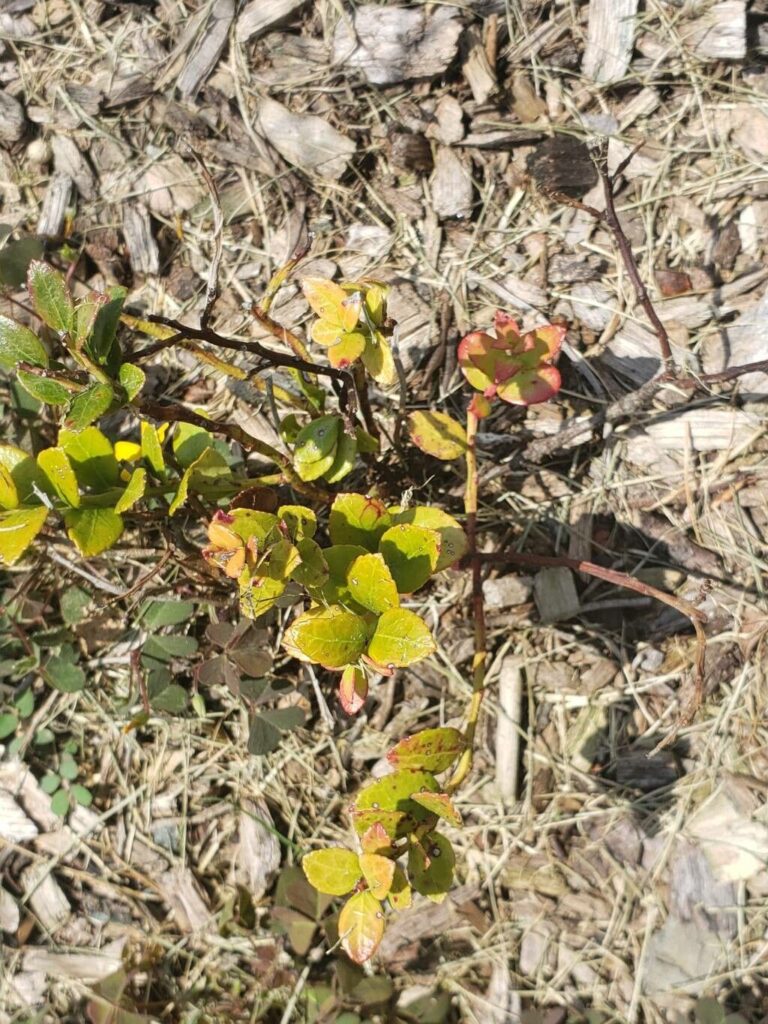
Resurrecting a Rarity: How to Propagate the Endangered Box Huckleberry
The plant world is full of fascinating surprises, and few are as intriguing as the box huckleberry ( Gaylussacia brachycera). This low-growing evergreen, boasting glossy leaves and delicate pink bells in spring, is not just a pretty face. It holds the title of one of the oldest living organisms on earth – some colonies clocking in at over 10,000 years old! Sadly, due to habitat loss and its specific growing requirements, the box huckleberry is considered endangered. But there’s hope! With dedicated plant enthusiasts and successful propagation efforts, we can help bring this botanical antique back from the brink.
Propagating the box huckleberry isn’t a walk in the park, but don’t let that discourage you. This resilient plant offers a unique challenge for the passionate gardener. Here’s what you need to know:
Understanding the Box Huckleberry:
Before diving into propagation, let’s understand this unique plant’s quirks. The box huckleberry thrives in acidic, well-drained soil and dappled sunlight, mimicking its natural woodland understory habitat. It expands slowly through underground rhizomes, forming dense colonies over time. This clonal growth habit is key to its longevity – each shoot might be relatively young, but the interconnected network represents an ancient lineage.
Propagation Methods:
While challenging, the box huckleberry can be propagated through two primary methods:
- Division: The most straightforward method involves carefully dividing established clumps in early spring. Look for sections with healthy shoots and roots, ensuring minimal disturbance to the parent plant. Replant divisions immediately in prepared soil with similar conditions to their original location. Keep the soil consistently moist until established.
- Cuttings: Propagating from cuttings requires patience and precision. Take softwood cuttings (new growth) in late spring or early summer. Choose healthy stems and cut them just below a node. Remove lower leaves and treat the cut end with rooting hormone for increased success rates. Plant the cuttings in a well-draining mix of peat moss and perlite, misting regularly to maintain high humidity. Roots can take several weeks to develop.
Challenges and Tips:
- Patience is Key: Box huckleberries are slow growers; don’t be disheartened if you don’t see immediate results. Consistent care and optimal conditions will eventually lead to success.
- Mimic the Natural Habitat: Choose a planting site carefully, ensuring acidic soil, partial shade, and good drainage. Amending the soil with organic matter can improve its structure and acidity.
- Source Responsibly: Given their endangered status, never collect box huckleberry material from the wild. Source plants or cuttings from reputable nurseries specializing in native plants or conservation efforts.
The Rewards of Perseverance:
Successfully propagating the box huckleberry isn’t just another gardening accomplishment; it’s a contribution to preserving a living relic. By introducing this fascinating plant to your garden, you actively participate in conservation efforts and join the ranks of passionate individuals working to secure a future for this ancient species. So, embrace the challenge, cultivate patience, and let the resilient spirit of the box huckleberry inspire you in your horticultural pursuits.