
Propagating Gazania krebsiana: A Gardener’s Guide to the Treasure Flower
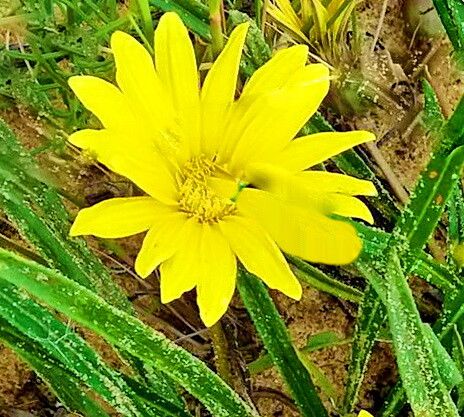
Gazania krebsiana, also known as the treasure flower, is a captivating member of the Asteraceae family, prized for its vibrant, daisy-like blooms in shades of orange, yellow, and red. Its drought tolerance and sun-loving nature make it a popular choice for rock gardens, borders, and containers, particularly in drier climates. While readily available commercially, propagating Gazania krebsiana from existing plants offers gardeners the chance to expand their collection and experiment with different varieties. However, propagation presents some unique challenges.
Seed Germination:
Currently, there are no known reliable methods for seed germination propagation of Gazania krebsiana. While some Gazania species readily reproduce from seed, Gazania krebsiana seems to have a low germination rate and often exhibits poor seedling vigor, making seed propagation impractical for most home gardeners.
Cuttings:
Cuttings offer a more reliable method for propagating Gazania krebsiana.
- Challenges: Success relies heavily on timing and technique. Using overly mature or young cuttings can hinder rooting. Overwatering or insufficient humidity can also lead to rot or wilting.
- Practical Tips: Take semi-hardwood cuttings in spring or early summer from healthy, non-flowering stems. Remove lower leaves, dip the cut end in rooting hormone, and plant in a well-draining propagation mix (e.g., a mix of perlite and peat moss). Maintain high humidity (using a humidity dome or plastic bag) and consistently moist (but not waterlogged) conditions. Rooted cuttings usually appear within 4-6 weeks.
- Rewards: This method preserves the exact genetic characteristics of the parent plant, allowing you to easily replicate desirable traits. It’s relatively easy once you master the technique and suitable for smaller-scale propagation.
Division:
Division is a straightforward method when working with established Gazania krebsiana plants.
- Challenges: The plant must be sufficiently mature to allow for division without causing undue stress. Incorrect dividing techniques can damage the root system, negatively affecting the survival rate of the divisions.
- Practical Tips: The best time to divide is in spring or autumn. Gently dig up the plant and carefully separate the root crown into smaller sections, each containing healthy roots and shoots. Replant the divisions immediately in well-prepared soil. ensure each division has a healthy root system and a few leaves.
- Rewards: Division allows for quick multiplication of existing plants and is less technically demanding than cuttings.
Tissue Culture:
Tissue culture is a more advanced propagation method applicable to Gazania krebsiana.
- Challenges: This technique requires specialized equipment, sterile laboratory conditions, and a high level of skill and knowledge. Contamination and the loss of plant material are significant risks. It’s generally not a practical option for home gardeners.
- Practical Tips: This method involves taking small explants (plant tissues) and culturing them in a nutrient-rich medium under controlled conditions to induce rapid growth and multiplication.
- Rewards: Tissue culture enables mass propagation of superior genotypes and disease-free plants. This technique is valuable for large-scale commercial propagation.
Conclusion:
Propagating Gazania krebsiana presents a range of challenges depending on the chosen method. While seed germination is likely unreliable, cuttings and division offer viable options for home gardeners. Cuttings, while requiring attention to detail, offer the reward of replicating desirable traits from a mother plant, making it a popular choice among enthusiasts. Division provides a simpler, albeit less flexible, pathway to increase your plant population. Tissue culture remains a powerful tool for commercial growers but is impractical for the average gardener.
The satisfaction derived from successfully propagating Gazania krebsiana lies not only in the beautiful blooms that result but also in overcoming the challenges inherent in the process. It is a testament to the gardener’s skill, patience, and understanding of the plant’s specific needs. So, embrace the challenge, and enjoy the rewarding journey of cultivating these vibrant treasure flowers. Remember to start small, experiment with different techniques, and learn from each experience – your success will be all the sweeter for it.