
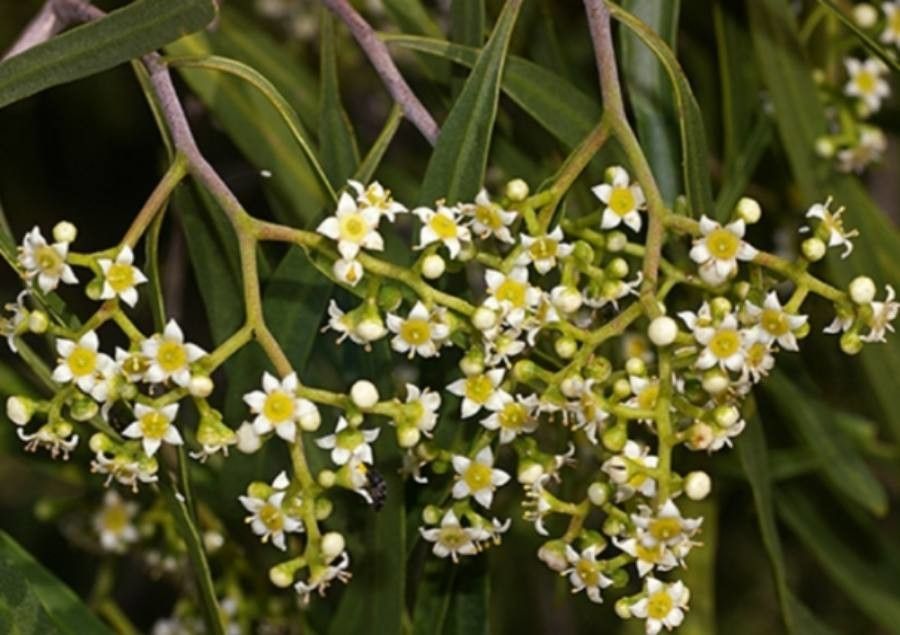
From Tiny Seed to Lush Growth: The Secrets of Propagating “Wild Orange” (Geijera parviflora)
The “Wild Orange” (Geijera parviflora), with its fragrant leaves and attractive berries, is a tempting addition to any garden. But where do you find these unique plants? Propagation is the key! This fascinating process, from seed to seedling, is a journey worth taking, unlocking the secrets of this Australian native and allowing you to nurture your own Wild Orange tree from the ground up.
1. Seeds: The Genesis of New Life
“Wild Orange” seeds are a treasure trove of potential, holding the genetic blueprint for a future tree. Obtain seeds straight from ripe berries, or purchase them from reliable nurseries. The secret to success lies in their preparation:
- Scarification: The hard outer coating of the seed requires a little encouragement to germinate. Gently nick the surface with a sharp knife or sandpaper, allowing moisture to penetrate.
- Stratification: Simulate the natural environment by placing the seeds in a moist medium (vermiculite or peat moss) chilled in the refrigerator for 4-6 weeks. This mimics the cool, moist conditions experienced during winter.
- Sowing: Once the seeds have undergone stratification, sow them in a seed tray filled with a well-draining seed-starting mix. Maintain a consistently moist environment, but avoid over-watering.
2. Cuttings: A Shortcut to Growth
For a quicker path to a mature “Wild Orange,” consider propagation via cuttings. This method involves taking a section of healthy stem and encouraging it to develop roots:
- Selection: Choose a healthy, non-flowering stem about 6-8 inches long. Make a clean cut just below a node (where leaves grow out from the stem).
- Preparation: Remove leaves from the bottom inch or two of the cutting. Dip the cut end in rooting hormone to promote root development.
- Planting: Insert the cutting into a pot filled with a rooting medium like vermiculite or perlite. Maintain a consistently moist environment.
- Patience: Rooting can take several weeks, but ensure the medium stays consistently damp and protect the cutting from direct sunlight.
3. Layering: A Gentle Approach
Layering involves coaxing a new plant from a stem still attached to its parent. This method is especially suitable for “Wild Orange” due to its lower branches:
- Choose a stem: Select a low-growing branch and scrape a small section of bark just below a node.
- Induce rooting: Apply rooting hormone to the scraped area and wrap it in moist sphagnum moss. Secure the moss with plastic wrap.
- Patience: Keep the moss consistently moist and allow the stem to develop roots. Once the roots are established, sever the stem from the parent plant.
4. Success Lies in Attention
Regardless of the chosen method, success in “Wild Orange” propagation depends on a few key principles:
- Light: Provide bright, indirect sunlight, avoiding direct exposure which can scorch delicate seedlings and cuttings.
- Water: Maintain a consistently moist environment, but avoid overwatering. Regularly check the moisture level and amend as needed.
- Patience: Propagation takes time, so be patient and nurture your new plants. Enjoy the journey!
5. Beyond Propagation: A Beautiful Garden Addition
With a little effort, you can cultivate your very own “Wild Orange” tree, enhancing your garden with its beauty and fragrance. This resilient species is not only visually appealing but also offers a unique opportunity to connect with nature’s fascinating cycle of growth. So why not start your own propagation journey today? From seed to seedling, watch as the “Wild Orange” unfolds its potential, bringing a touch of Australian magic to your home landscape.