
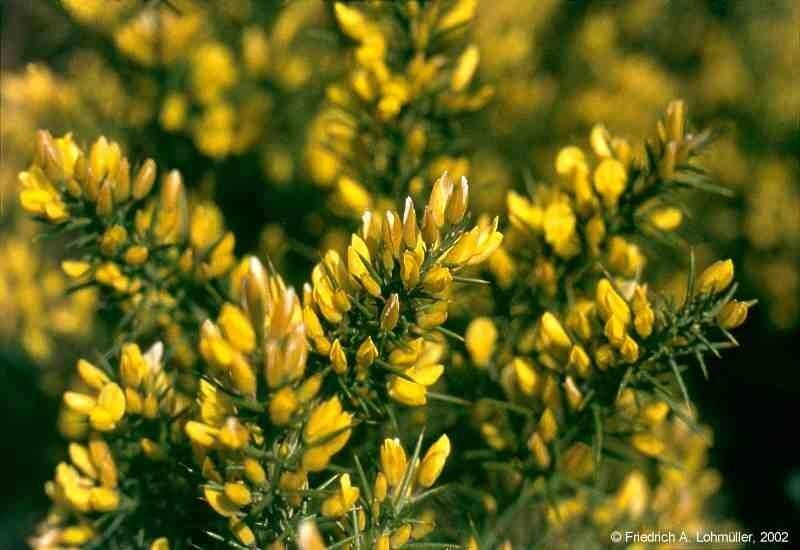
Spreading the Love: How to Propagate Your Spiny Broom (Genista acanthoclada)
The Spiny Broom (Genista acanthoclada), with its captivating yellow blooms and distinctive spiny branches, is a delightful addition to any sunny garden. But what if you want more of this beautiful shrub? Luckily, propagating this plant is achievable, even for beginner gardeners. Let’s dive into the world of Genista acanthoclada propagation, revealing the secrets to successfully growing your own mini-forests of these prickly beauties.
The Two Most Effective Methods
Genista acanthoclada can be easily propagated through both cuttings and seeds. Each method has its pros and cons, but both ultimately lead to a new, thriving plant.
1. Cuttings: A Quick and Easy Choice
Taking cuttings allows you to replicate the exact genetic makeup of your parent plant, guaranteeing those stunning blooms and spiny features.
- Time to take cuttings: The best time to take cuttings is during the spring or early summer, while the plant is actively growing.
- The cutting process: Select healthy, non-flowering stems about 4-6 inches long. Cut just below a node (the point from which a leaf or branch sprouts). Remove the bottom leaves and dip the cut end in rooting hormone for accelerated growth.
- Planting and care: Plant the cutting in a pot filled with a well-draining potting mix. Keep the soil consistently moist but not soggy, and provide bright, indirect light.
2. Seeds: Embracing the Cycle of Life
Seed propagation, while requiring a bit more patience, allows you to grow numerous plants from a single seed packet. This is an excellent choice if you want to explore different varieties or simply appreciate the magic of germination.
- Collecting seeds: Genista acanthoclada produces seed pods containing numerous seeds. Allow the pods to dry on the plant before collecting.
- Sowing seeds: Spring is the ideal time to sow seeds directly in the garden or in pots. Create shallow drills and evenly space the seeds, covering them lightly with soil.
- Germination: Seeds need warmth to germinate. Place the pots or seedbed in a warm and sunny location. Keep the soil moist and allow for good drainage.
Tips for Success
Regardless of the propagation method you choose, here are some crucial tips to ensure a thriving plant:
- Provide adequate light: Genista acanthoclada loves full sun, so ensure your cuttings or seedlings receive at least six hours of direct sunlight daily.
- Maintain proper drainage: These plants are susceptible to root rot, so use a well-draining potting mix or amend heavy soils with sand or perlite.
- Watch out for pests: Check regularly for pests like aphids or mealybugs, as these insects can damage your new plants.
- Be patient: Propagation takes time, so don’t worry if you don’t see immediate results. Be patient, continue caring for your plants, and enjoy watching them flourish.
The Rewards of Propagation
Propagating your own Genista acanthoclada is not only an enjoyable process but also a rewarding one. You’ll get the satisfaction of creating new life, enjoying the beauty of your own cultivated plants, and potentially sharing these prickly marvels with friends.
So, grab your gardening gloves, embrace the challenge, and witness the magic of spiny broom propagation unfold!