
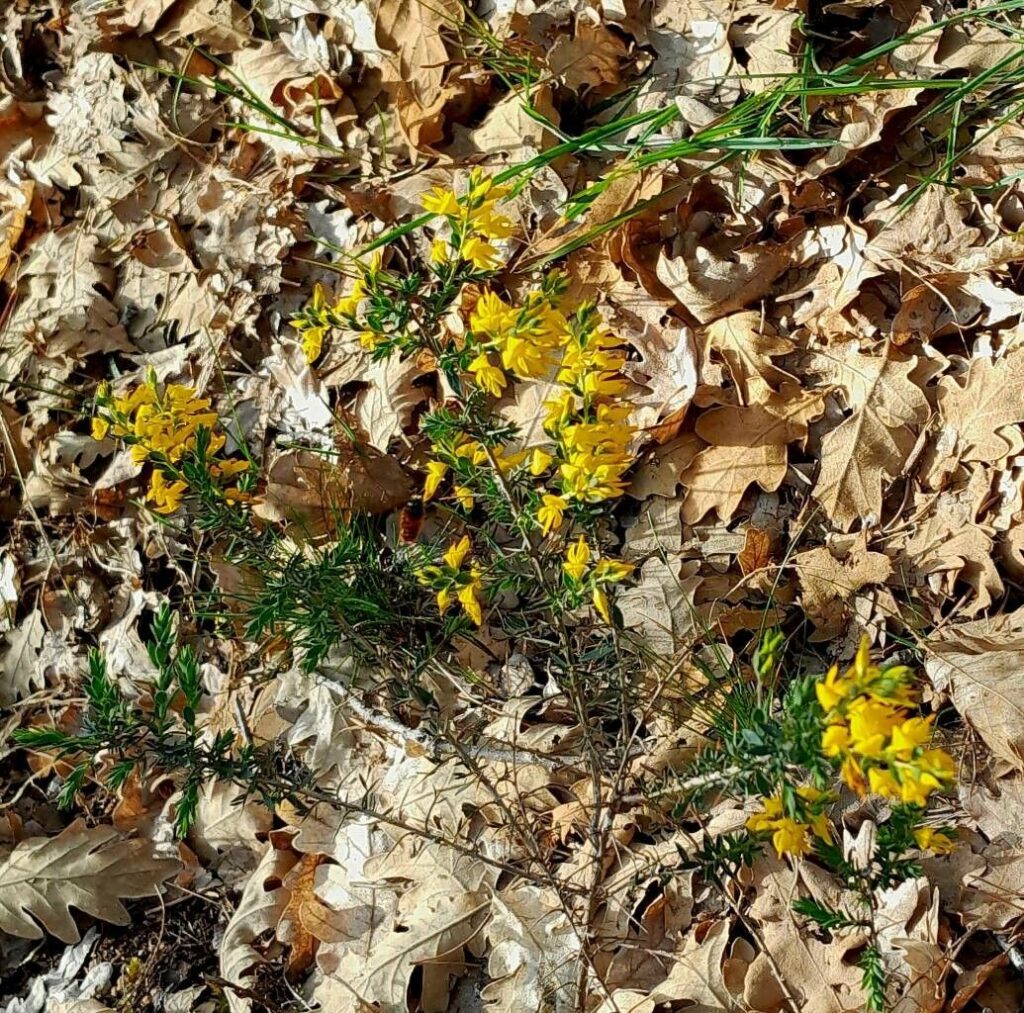
Taming the Wild Broom: Propagating Genista anglica for a Touch of Meadow Magic
The Genista anglica, better known as the Petty Whin or Needle Furze, is a charming shrub native to the heathlands and meadows of Europe. With its delicate, pea-like flowers and spiny branches, this hardy plant brings a touch of wild beauty to any garden. If you’re looking to invite this charming plant into your life, propagation is the answer! While it might seem daunting, propagating Genista anglica is achievable even for beginners. Let’s dive into the secrets of multiplying this delightful shrub.
The Two Paths: Seed vs. Cuttings
Genista anglica can be propagated in two main ways: seeds and cuttings. Each method comes with its own pros and cons.
1. Seed Propagation:
- Pros: This method is cheaper and allows you to grow multiple plants simultaneously.
-
Cons: Seeds can be slow to germinate and may not inherit the exact characteristics of the parent plant.
Collecting and Sowing Seeds:
- Gather ripe seed pods in late summer or early autumn, identifiable by their black color and slight dryness.
- Extract the seeds and store them in a cool, dry place until spring.
- Sow the seeds in a well-drained seed-starting mix, barely covering them with soil.
- Provide consistent moisture and warmth (around 18-21°C) for optimal germination, which usually takes 2-4 weeks.
2. Cutting Propagation:
- Pros: Cuttings generally root faster and produce plants identical to the parent.
- Cons: Success rates may vary, and you’ll need access to a healthy Genista anglica plant.
Taking and Rooting Cuttings:
- In late spring or early summer, take 4-6 inch long cuttings from healthy, non-flowering stems.
- Remove the lower leaves and wound the base of the cutting slightly.
- Dip the cut end in rooting hormone (optional but recommended).
- Plant the cuttings in a pot filled with a well-drained mix of peat moss and perlite.
- Keep the soil moist and provide humidity by covering the pot with a plastic bag or using a propagator.
- Rooting usually takes 4-8 weeks.
Caring for Your New Propagations
Whether you’ve chosen seeds or cuttings, provide your Genista anglica propagations with the following care:
- Light: Place your young plants in a bright location with indirect sunlight.
- Water: Keep the soil consistently moist but not waterlogged.
- Fertilizer: Once established, feed your plants with a balanced fertilizer during the growing season (spring and summer).
Planting Out and Beyond
After your Genista anglica propagations have developed a strong root system, they are ready to be planted out. Choose a sunny location with well-drained soil. Be patient, as it takes several years for Genista anglica to reach its full size and blooming potential.
Enjoy the Show!
Propagating your own Genista anglica is a rewarding experience. Not only will you expand your garden with these delightful shrubs, but you’ll also gain a deeper appreciation for the cycle of plant life. With a little patience and care, you’ll soon have a thriving patch of these wildflowers, adding a touch of meadow magic to your landscape.