
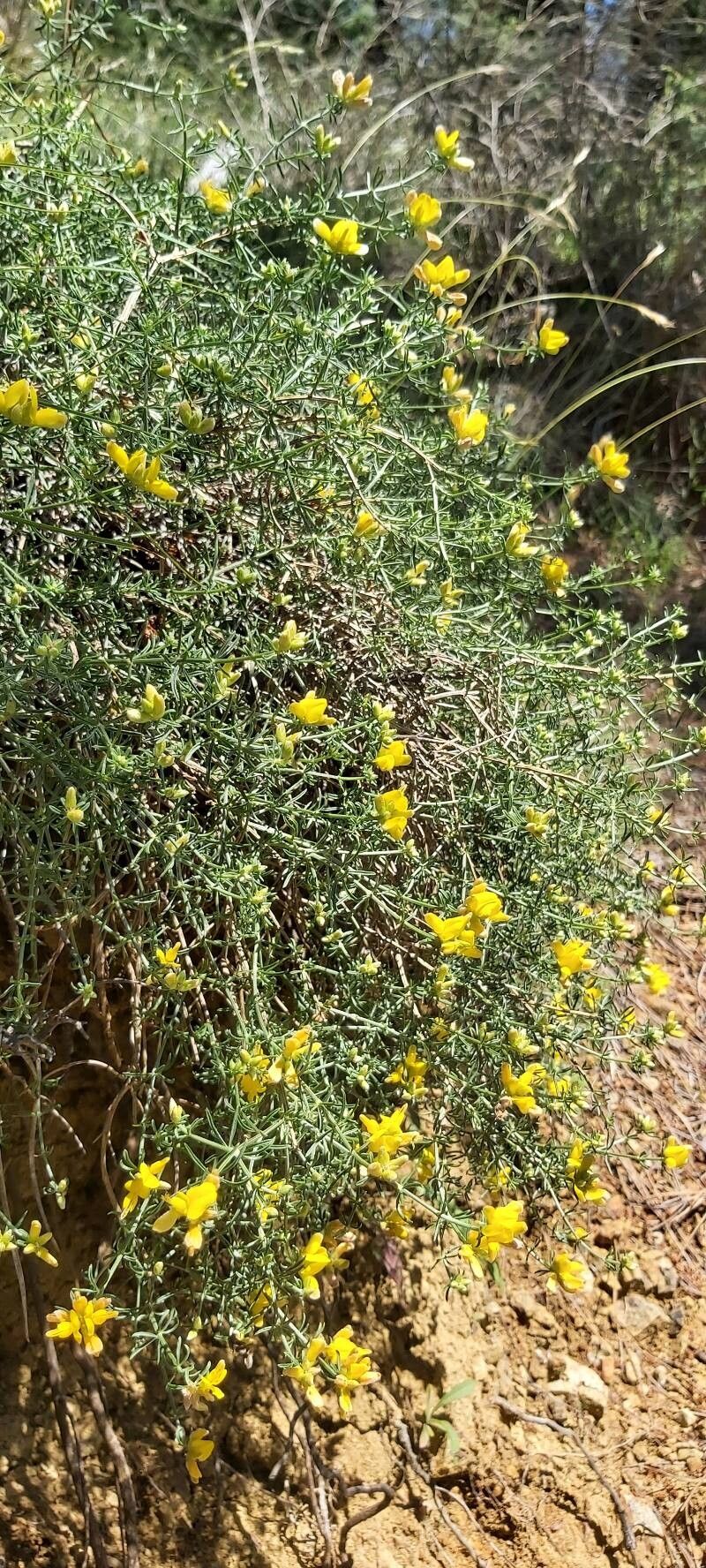
Taming the Wild Beauty: Propagating the Mount Atlas Broom (Genista hassertiana)
The Mount Atlas Broom, also known as Genista hassertiana, is a captivating shrub that brings a touch of exotic beauty to any garden. With its cascading branches adorned with vibrant yellow blooms in spring and summer, it’s a true showstopper. While acquiring a mature plant is always an option, there’s a certain satisfaction that comes with propagating your own. Fortunately, multiplying your Genista hassertiana isn’t as daunting as you might think.
This guide will delve into the two most effective methods for propagating this captivating plant:
1. Propagating Genista hassertiana from Seed:
- Timing is Key: The optimal time for sowing Genista hassertiana seeds is in the fall, shortly after they are mature. Look for seed pods that have turned brown and begun to dry out.
- Pre-treating the Seeds: Genista seeds have a hard outer coating that can benefit from scarification to encourage germination. Gently nick or rub the seeds with sandpaper to break this outer layer.
- Sowing the Seeds: Use a well-draining seed starting mix. Sow the seeds on the surface and lightly press them down. Water gently and keep the soil consistently moist but not waterlogged.
- Patience is a Virtue: Germination can be erratic and may take anywhere from a few weeks to several months. Don’t be discouraged if you don’t see results immediately.
- Providing the Right Environment: Place your seed trays in a bright location, out of direct sunlight. A cool greenhouse or a cold frame provides ideal conditions.
- Transplanting the Seedlings: Once the seedlings have developed a couple of sets of true leaves, you can transplant them into individual pots with well-draining soil.
2. Propagating Genista hassertiana from Cuttings:
- Choosing the Right Time: The ideal time for taking cuttings is in late summer, after the plant has finished blooming. Select healthy, non-flowering shoots that are about 4-6 inches long.
- Preparing the Cuttings: Using a sharp, clean knife or pair of pruning shears, make a diagonal cut just below a leaf node. Remove the lower leaves, leaving only 2-3 pairs at the top.
- Encouraging Root Development: Dip the cut end of the stem in rooting hormone powder to stimulate root growth.
- Planting the Cuttings: Insert the cuttings into a pot filled with a mixture of peat moss and perlite or a specific cutting compost. Ensure the bottom leaf node is buried.
- Creating a Humid Environment: Cover the pot with a plastic bag or a propagation dome to maintain high humidity.
- Providing Light and Warmth: Place the pot in a bright location, out of direct sunlight. Bottom heat, provided by a heat mat, can also encourage faster rooting.
- Be Patient: It can take 6-8 weeks for roots to develop. Once you see new growth, you can carefully check for root development.
- Transplanting: Once the cuttings have developed a healthy root system, you can transplant them into individual pots with well-draining soil.
Important Considerations:
- Genista hassertiana thrives in full sun to partial shade and well-draining soil.
- It’s relatively drought-tolerant once established but benefits from regular watering during its first growing season.
- This species is known to attract pollinators, making it an excellent addition to a wildlife-friendly garden.
Propagating your own Genista hassertiana is a rewarding experience. With a little patience and care, you can enjoy the beauty of this captivating plant for years to come.