
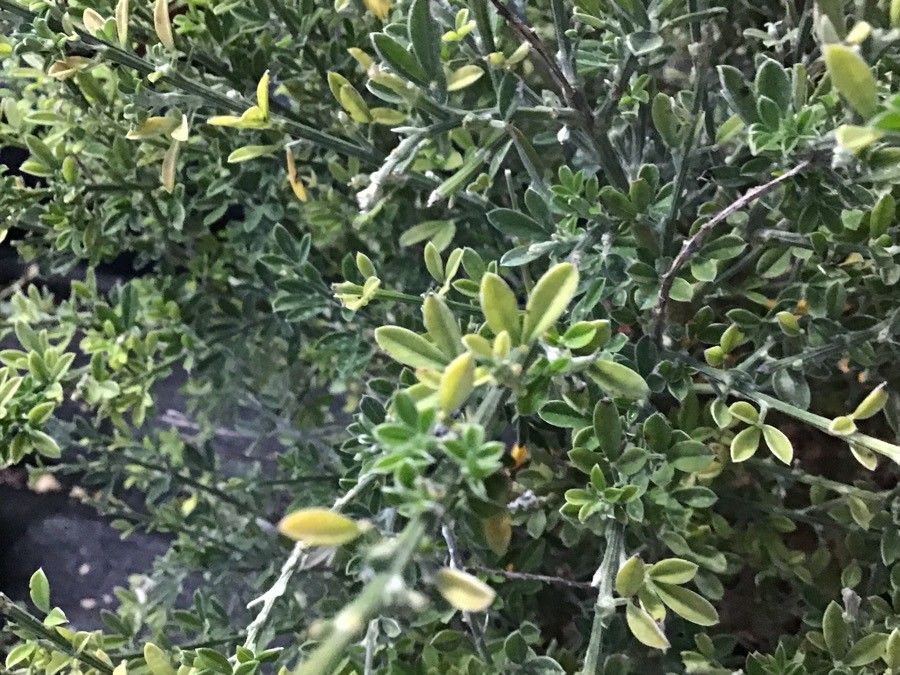
Taming the Island Broom: Propagating Genista maderensis
Genista maderensis, the Madeira Island Broom, is a visual delight with its cascading branches laden with vibrant yellow flowers. Native to the sunny slopes of Madeira Island, this drought-tolerant evergreen shrub can bring a touch of Mediterranean charm to even the smallest of gardens. While finding it in nurseries can be tricky, propagating Genista maderensis is surprisingly straightforward, making it a rewarding plant for both beginners and seasoned gardeners to grow themselves.
Two Paths to Propagation: Seeds vs. Cuttings
There are two main methods for propagating Genista maderensis:
Seeds: Collecting seeds from the mature, pea-like pods is a cost-effective way to propagate several plants. However, germination rates can be unpredictable, and the seeds require a period of pre-treatment to increase their success rate.
- Cuttings: Taking semi-ripe cuttings offers a higher chance of success and produces plants that are genetically identical to the parent plant. This method is ideal for replicating a specific Genista variety or ensuring desirable characteristics are passed down.
Starting from Seed: A Journey of Patience
Collection & Preparation: Harvest the mature seed pods in late summer or early fall when they turn brown and brittle. Extract the small, hard seeds and scarify them. This process involves gently nicking or rubbing the seed coat with sandpaper to help water penetrate and improve germination.
Sowing: Sow the seeds in a well-draining seed-starting mix, lightly covering them with a thin layer of soil. Water gently and keep the soil consistently moist but not waterlogged.
- Patience & Care: Germination can be erratic, taking anywhere from a few weeks to a couple months. Place the seed tray in a warm, bright location out of direct sunlight. Once the seedlings have developed several sets of true leaves, transplant them into individual pots filled with a well-draining potting mix.
Propagating from Cuttings: A Quicker Route to Success
Timing is Key: The best time to take cuttings is in late spring or early summer when the new growth is semi-ripe. This means the stems are firm but still slightly flexible, indicating active growth.
Taking the Cutting: Select a healthy, non-flowering stem and make a clean cut below a leaf node, using sharp, sterilized pruning shears. The cutting should be around 4-6 inches long. Remove the lower leaves, leaving only a couple of pairs at the top.
Encouraging Root Development: Dip the cut end of the stem in rooting hormone powder to stimulate root growth. Plant the cutting in a pot filled with a moist, well-draining mix of peat moss and perlite or vermiculite.
Creating a Humid Environment: Cover the pot with a clear plastic bag or place it in a propagator to maintain humidity and create a mini-greenhouse environment. Keep the soil consistently moist but not soggy.
- Potting On: After about 6-8 weeks, gently tug on the cutting. If you feel resistance, roots have likely formed. Remove the plastic cover and transplant the rooted cutting into a larger pot with a well-draining potting mix.
Nurturing Your Genista: Sunlight, Water, and Well-Drained Soil
Whether you choose to start from seeds or cuttings, providing the right growing conditions is crucial for successful Genista propagation. Here are some essential tips:
Sunlight: Genista thrives in full sun to partial shade, requiring at least six hours of direct sunlight daily for optimal flowering.
Water: While drought-tolerant once established, Genista needs regular watering during its first year. Always allow the soil to dry out slightly between waterings to prevent root rot.
- Soil: Well-drained soil is vital. Choose a light and airy potting mix or amend heavy clay soils with organic matter to improve drainage.
With a bit of patience and the right care, you can successfully propagate Genista maderensis and enjoy its vibrant beauty in your own garden for years to come.