
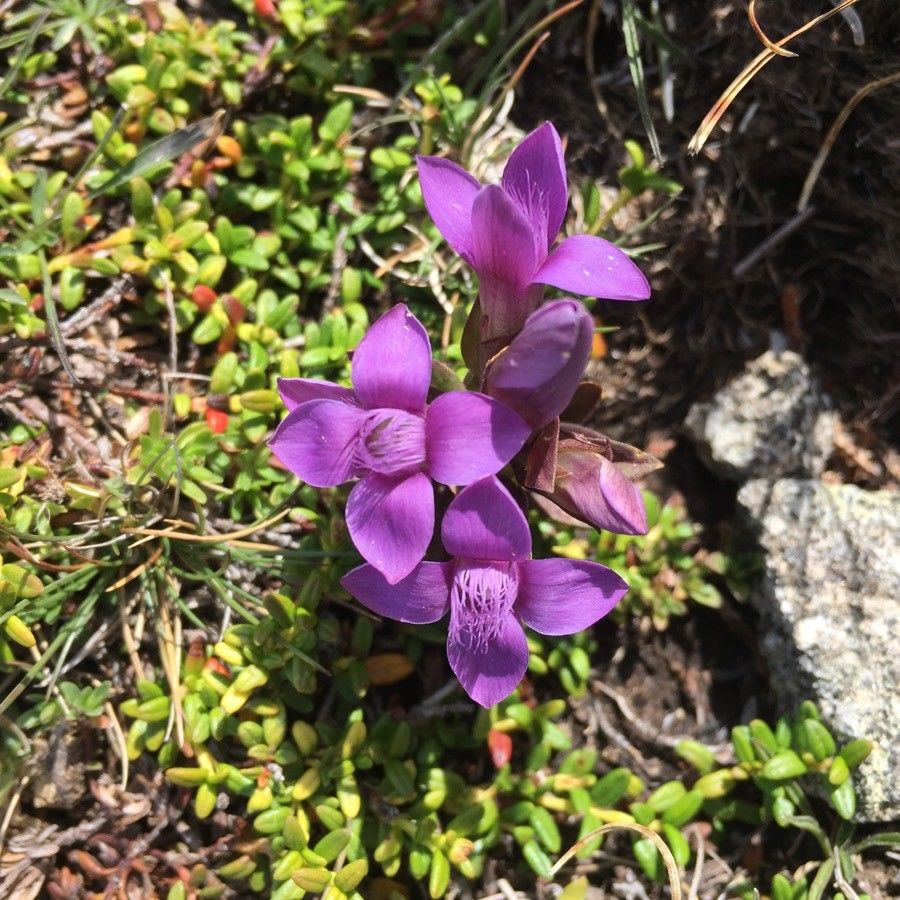
Taming the Wild Beauty: Propagating the Field Gentian (Gentianella campestris)
The Field Gentian, with its petite stature and vibrant purple blooms, holds a special allure for wildflower enthusiasts. This delicate beauty, scientifically known as Gentianella campestris, paints a splash of color across European meadows and pastures. But what if you could invite this wild charm into your own garden? While not for the faint of heart, propagating Field Gentian is achievable with the right knowledge and a dash of patience.
Understanding the Gentian’s Quirks
Before embarking on this rewarding journey, it’s crucial to understand the unique challenges associated with propagating Gentianella campestris:
- Seed Dormancy: Field Gentian seeds exhibit dormancy, meaning they require specific environmental cues to break dormancy and germinate.
- Mycorrhizal Relationships: Like many wildflowers, Gentians rely on a symbiotic relationship with specific soil fungi (mycorrhizae) for optimal growth.
- Specific Growing Conditions: Mimicking their natural habitat is key to success. These plants thrive in well-drained, acidic to neutral soil and prefer sunny to partially shady locations.
The Propagation Journey: Seeds of Hope
Seed propagation, while challenging, is the most common method for Gentianella campestris:
-
Seed Collection: Collect ripe seed capsules in late summer or early fall. Carefully extract the tiny seeds and store them in a cool, dry place.
-
Breaking Dormancy: To encourage germination, cold stratification is essential. Sow seeds in a well-draining seed compost and place the container in a refrigerator (around 4°C) for 2-3 months.
-
Sowing the Seeds: After stratification, move the container to a bright location, out of direct sunlight. Keep the soil consistently moist but not waterlogged.
- Patience is Key: Germination can be erratic and may take several weeks to months. Be patient and continue providing optimal moisture and light conditions.
Beyond Seeds: Alternative Approaches
While less common, other propagation methods can be explored:
- Divisions: Carefully dividing established clumps in spring or fall is possible but requires caution to avoid disturbing the delicate root system.
- Basal Cuttings: Taking cuttings from the base of the plant in spring can be successful but demands meticulous care and a sterile environment to prevent fungal infections.
Creating a Gentian Haven
Successfully germinating Gentianella campestris is just the beginning. To ensure these beauties thrive in your garden, consider these tips:
- Soil Preparation: Amend heavy clay or alkaline soils with organic matter like peat moss to improve drainage and acidity.
- Mycorrhizal Fungi: Incorporate mycorrhizal fungi into the soil when planting to promote healthy root development.
- Watering Wisely: Water regularly during dry spells, allowing the soil to dry slightly between waterings. Avoid overwatering, which can lead to root rot.
A Rewarding Endeavor
Propagating Gentianella campestris requires patience, dedication, and a touch of green-thumb magic. However, the reward of seeing these vibrant blooms gracing your garden, adding a touch of wild beauty to your landscape, makes the effort truly worthwhile. So, embrace the challenge and invite the enchanting allure of the Field Gentian into your own outdoor haven.