
Unlocking the Secrets of Gentianella corymbosa Propagation: A Gardener’s Guide
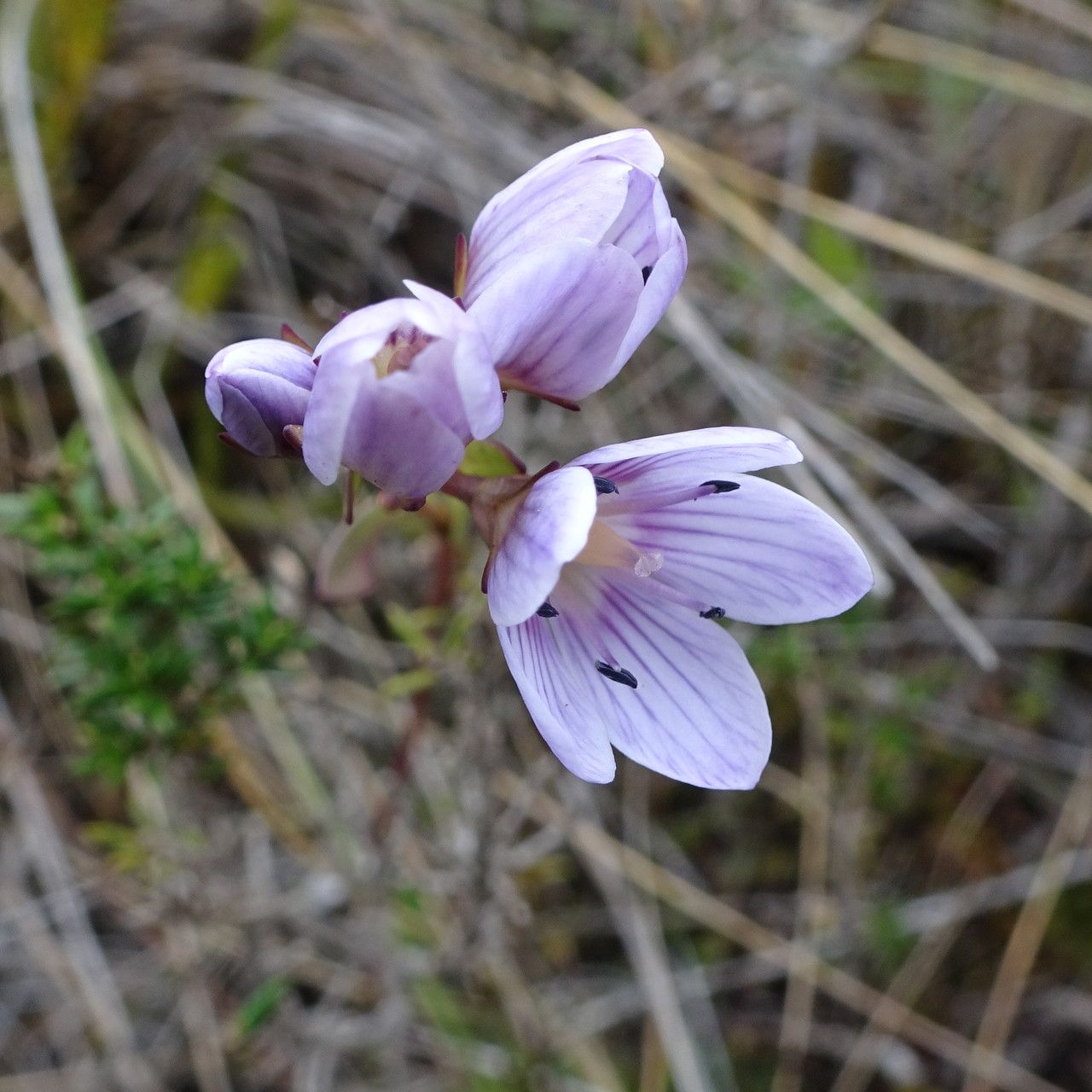
Gentianella corymbosa, with its clusters of vibrant, sky-blue trumpet-shaped flowers, is a sight to behold. This alpine wildflower, native to the Andes Mountains, adds a touch of exotic beauty to any rock garden or alpine trough. However, its delicate charm can be a challenge to propagate. Are you ready to unlock the secrets to successfully growing more of these stunning blooms?
Understanding the Challenge
Gentianella corymbosa, unlike many common garden plants, can be a bit finicky to reproduce. This is partly due to its natural habitat and its unique life cycle. As a short-lived perennial, it relies on successful seed production for its continued survival.
Two Paths to Propagation:
1. Seed Propagation: A Test of Patience
- Timing is key: Sow seeds in late summer or early autumn, mimicking their natural dispersal time in the wild.
- Simulate their habitat: Use a well-draining seed-starting mix designed for alpine plants.
- Cold stratification: This is crucial! Subject seeds to a period of cold (around 4 weeks at 4°C) to break dormancy and encourage germination.
- Light and Moisture: Provide bright, indirect light and keep the soil consistently moist but not waterlogged.
- Patience is a virtue: Germination can be erratic, taking anywhere from a few weeks to several months.
2. Taking Cuttings: A Quicker Route (With a Catch!)
- Timing is crucial: Take cuttings in late spring or early summer from new growth before flowering.
- Type of cutting: Choose basal cuttings (those taken from the base of the plant) for the best chance of success.
- Rooting hormone: While not strictly necessary, using a rooting hormone can improve the success rate.
- Moist environment: Place cuttings in a well-draining medium and enclose the pot in a plastic bag to create a humid environment.
- Not always guaranteed: Be warned, this method can be tricky with Gentianella corymbosa and may not always be successful.
Essential Tips for Success:
- Well-draining soil: Mimic their high-altitude habitat with a gritty, free-draining soil mix.
- Avoiding overwatering: These plants are susceptible to root rot. Water only when the soil is almost dry.
- Provide adequate sunlight: Choose a location with bright, indirect light, avoiding harsh midday sun.
A Rewarding Challenge:
Propagating Gentianella corymbosa might demand some patience and finesse, but the reward of witnessing those captivating blue flowers blooming in your garden is well worth the effort. With the right knowledge and a touch of dedication, you can unlock the secrets to perpetuating these exquisite alpine treasures.