
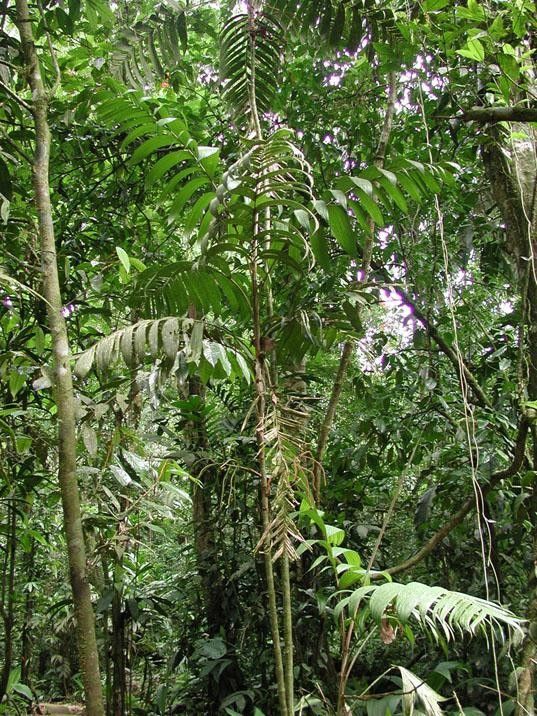
Unveiling the Secrets: Propagating the Elegant Geonoma Longivaginata Palm
The Geonoma longivaginata, also known as the “Long-sheathed Geonoma,” is a stunning palm prized for its slender trunks, vibrant green foliage, and elegant, arching fronds. Native to the rainforests of Central and South America, this tropical beauty can bring a touch of exotic elegance to your home or garden. While readily available in specialty nurseries, propagating your own Geonoma longivaginata can be a rewarding experience for plant enthusiasts. Let’s delve into the techniques that will give you the best chance of success.
Understanding the Geonoma Longivaginata
Before embarking on your propagation journey, it’s crucial to understand this palm’s growth habits. The Geonoma longivaginata naturally grows in clumps, producing multiple stems from its base. This clumping characteristic makes division the most effective and accessible propagation method for home gardeners.
Propagation by Division:
Timing is Key: The ideal time to divide your Geonoma longivaginata is during the warmer months when the plant is actively growing. Spring or early summer is perfect as the warmth encourages healthy root development.
Gentle Removal: Carefully remove the entire clump from its pot or the ground. Using a clean, sharp knife or pruning shears, divide the clump into sections, ensuring each section has a healthy root system and at least one stem.
Potting Up: Prepare individual pots slightly larger than the root ball of each division. Use a well-draining potting mix specifically designed for palms or a mixture of peat moss, perlite, and sand. Plant the divisions at the same depth they were previously growing and water thoroughly.
- Nurturing New Growth: Place the newly potted divisions in a warm, shaded area with indirect sunlight. Avoid direct sunlight, which can scorch the delicate fronds. Maintain a consistent moisture level, allowing the soil to slightly dry out between waterings.
Alternative Propagation Method: Seeds
Propagating Geonoma longivaginata from seeds is possible but requires patience and dedication. Seeds can be challenging to source and often have a lower germination rate.
Sourcing Seeds: Look for reputable seed suppliers specializing in rare palms. Fresh seeds offer the best chance of germination.
Pre-treating Seeds: Soak the seeds in lukewarm water for 24 hours to enhance germination.
Sowing the Seeds: Plant the seeds in a well-draining seed starting mix, barely covering them with the medium. Maintain a warm, humid environment, using a propagator if possible.
- Germination Patience: Seed germination can take several months, so don’t be discouraged if you don’t see results immediately.
Post-Propagation Care:
Regardless of your chosen propagation method, consistent care is essential for success:
- Light: Provide bright, indirect light. Avoid direct sunlight, especially during the hottest hours.
- Water: Water regularly, keeping the soil consistently moist but not soggy.
- Humidity: As a rainforest inhabitant, the Geonoma longivaginata thrives in humid environments. Mist the fronds regularly or use a humidifier to increase humidity levels.
- Fertilizer: Feed your palm during the growing season (spring and summer) with a balanced, slow-release fertilizer formulated for palms.
Propagating your own Geonoma longivaginata might require some effort, but the reward of witnessing new life emerge from a division or seed is genuinely fulfilling. With the right knowledge and a little TLC, you can enjoy the beauty of this graceful palm for years to come.