
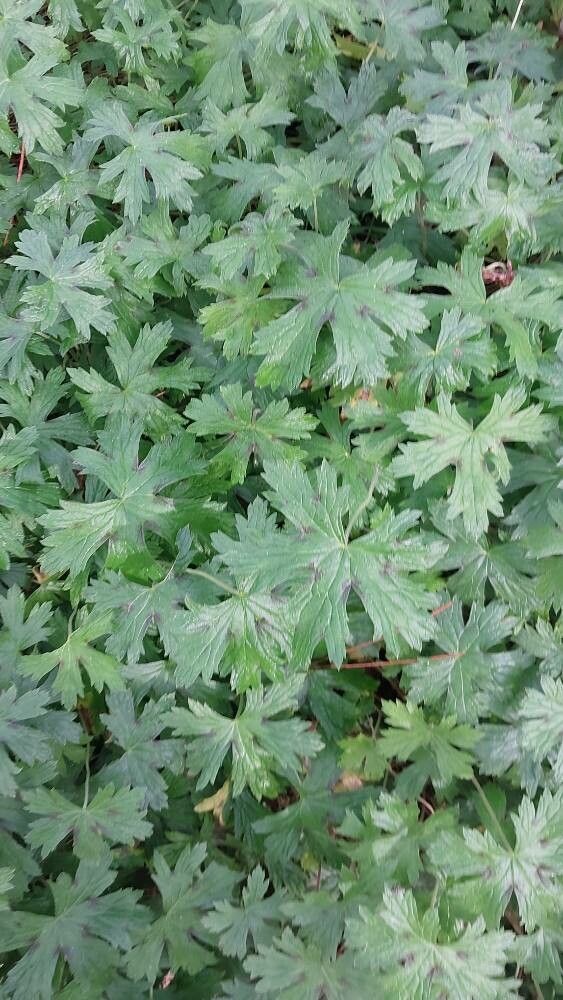
From One Geranium to Many: Master the Art of Propagating Geranium Affine
Geranium affine, with its vibrant blooms and charmingly fuzzy foliage, is a beloved addition to any garden. But what if you could multiply this beauty, filling your space with a whole colony of these delightful plants? The secret lies in propagation – a simple and rewarding process that allows you to create countless new Geranium affine plants from existing ones.
Understanding the Basics:
Propagation is the process of creating new plants from a parent plant. Geranium affine, like many other plants, readily lends itself to propagation through cuttings. This involves taking a section of the plant, usually a stem with a couple of leaves, and encouraging it to develop roots.
The Steps to Propagation Success:
-
Timing is Key: The best time to take cuttings is during the spring or early summer when the plant is actively growing. This ensures the cutting has enough energy to develop roots.
-
Choose Your Material: Select a healthy, non-flowering stem with a few healthy leaves. The stem should be soft and pliable, not woody.
-
Take the Cutting: Using a sharp knife or scissors, make a clean cut just below a node (the section where leaves grow). Remove the bottom two layers of leaves to prevent them from rotting in the rooting medium.
-
Prepare for Rooting: It’s essential to use the appropriate rooting medium. A mix of peat moss and perlite or vermiculite works well as it allows for good drainage and retains moisture. Dip the end of the cutting in rooting hormone powder to stimulate root growth.
-
The Rooting Process: Plant the cuttings in individual pots, leaving the leaves above soil level. Water thoroughly. Place the pots in a bright location with indirect light and keep the soil consistently moist.
-
Patience is Virtue: Within a few weeks to a month, the cuttings should develop roots. You can check for root development by gently tugging on the cutting. If it resists, roots have formed.
- Potting Up & Transplanting: Once the cuttings have rooted, you can pot them up into slightly larger pots filled with general potting mix. You can then transplant them to your garden bed once the weather warms up.
Additional Tips for Success:
- Misting: Regular misting helps maintain humidity levels, which is beneficial for root growth.
- Ventilation: Ensure good ventilation to prevent fungal diseases, especially during high-humidity periods.
- Temperature: Maintain a consistent temperature between 65-75°F (18-24°C) for optimal rooting.
- Patience!: Rooting can take several weeks to several months depending on the cutting and the environment.
The Rewards of Propagation:
- Cost-effective: Propagation is an affordable way to create new plants.
- Variety Expansion: You can experiment with different varieties of Geranium affine, expanding your collection.
- Sharing the Love: Give rooted cuttings as gifts to spread the joy of this beautiful plant.
With a little effort and the right techniques, you can easily propagate Geranium affine, creating a lush and vibrant garden filled with these delightful plants. So, grab your scissors, a pot of rooting mix, and get ready to enjoy the rewarding experience of propagation!