
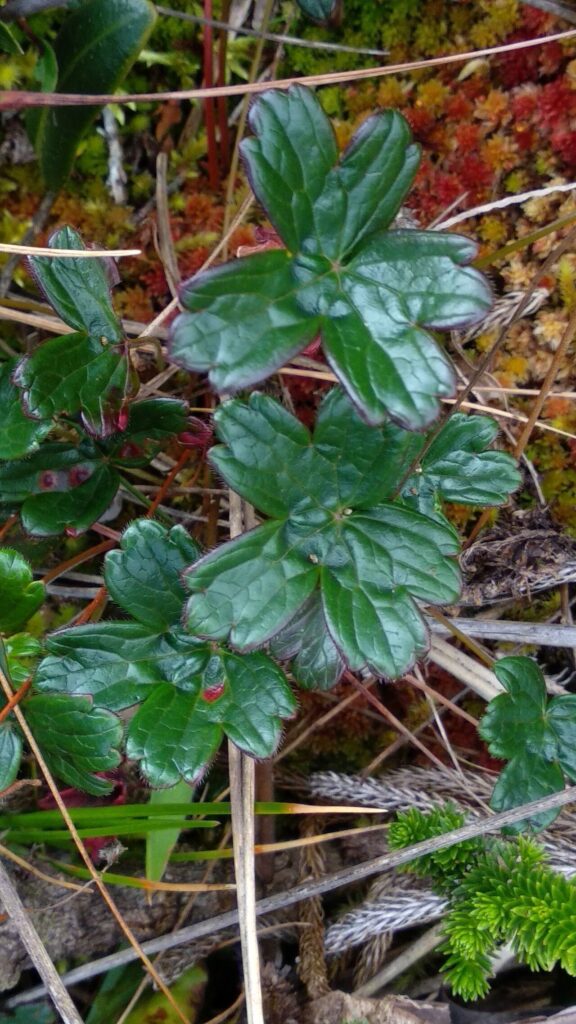
Unlocking the Secrets of Geranium Multiceps Propagation: A Guide to Multiplying Your Floral Treasure
Geranium multiceps, affectionately known as the “Heron’s Bill Geranium” for its unique seed pods, is a charming choice for rock gardens, containers, or even cascading over walls. Its delicate, finely divided foliage and delightful pink blooms instantly add a touch of whimsy to any landscape. But did you know that multiplying your collection of these beauties is easier than you might think? Let’s delve into the world of Geranium multiceps propagation and reveal the secrets to success!
Two Paths to Propagation:
Geranium multiceps offers two primary methods of propagation: seed sowing and softwood cuttings. Each approach has its pros and cons, catering to different preferences and skill levels.
1. Seed Sowing: A Rewarding Journey from Tiny Seeds to Blossoming Beauty
- Best time: Late winter or early spring.
- Pros: Ideal for producing a large number of plants, often yielding variations in flower color and form.
- Cons: Requires patience, as germination can be slow and flowering may take a year or two.
Steps:
- Collect seeds: Gently harvest mature seed pods from your existing plant. Allow them to dry completely in a paper bag.
- Sow the seeds: Fill a seed tray with a well-draining seed-starting mix and sprinkle the seeds over the surface. Cover them lightly with vermiculite or fine compost.
- Provide warmth and moisture: Place the tray in a bright, warm location, maintaining consistent moisture.
- Transplant seedlings: Once the seedlings develop a few true leaves, transplant them into individual pots filled with well-draining potting mix.
2. Softwood Cuttings: Cloning Your Favorites with Ease
- Best time: Spring, when new growth is vibrant and actively growing.
- Pros: Offers a faster route to flowering plants, ensuring identical copies of the parent plant.
- Cons: Yields a limited number of plants compared to seed sowing.
Steps:
- Take cuttings: Select healthy, non-flowering stems from the current season’s growth. Each cutting should be approximately 3-4 inches long.
- Prepare the cuttings: Remove the lower leaves, leaving 2-3 sets of leaves at the top. Dip the cut end in rooting hormone (optional, but recommended).
- Plant the cuttings: Insert the prepared cuttings into a pot filled with a moist, well-draining rooting medium like perlite or vermiculite.
- Encourage rooting: Cover the pot with a clear plastic bag or use a propagation dome to maintain high humidity. Place in a bright location, out of direct sunlight.
- Transplant rooted cuttings: After 4-6 weeks, gently tug on the cuttings to check for resistance, which indicates root development. Once rooted, transplant them into individual pots filled with well-draining potting mix.
Nurturing Your New Geranium Multiceps:
Regardless of your chosen propagation method, providing the optimal environment for your young plants is crucial for success. Ensure they receive:
- Well-drained soil: Soggy soil is a recipe for disaster, leading to root rot.
- Bright, indirect light: While Geranium multiceps appreciates some sun exposure, intense, direct sunlight can scorch its delicate foliage.
- Regular watering: Maintain consistent moisture, allowing the soil to dry slightly between waterings.
- Good air circulation: Adequate spacing between plants prevents fungal diseases.
Propagating Geranium multiceps isn’t just about multiplying your plant collection; it’s a fulfilling journey that allows you to witness the miracle of new life unfold. With a touch of care and patience, you can create a flourishing legacy of this captivating floral gem for years to come!