
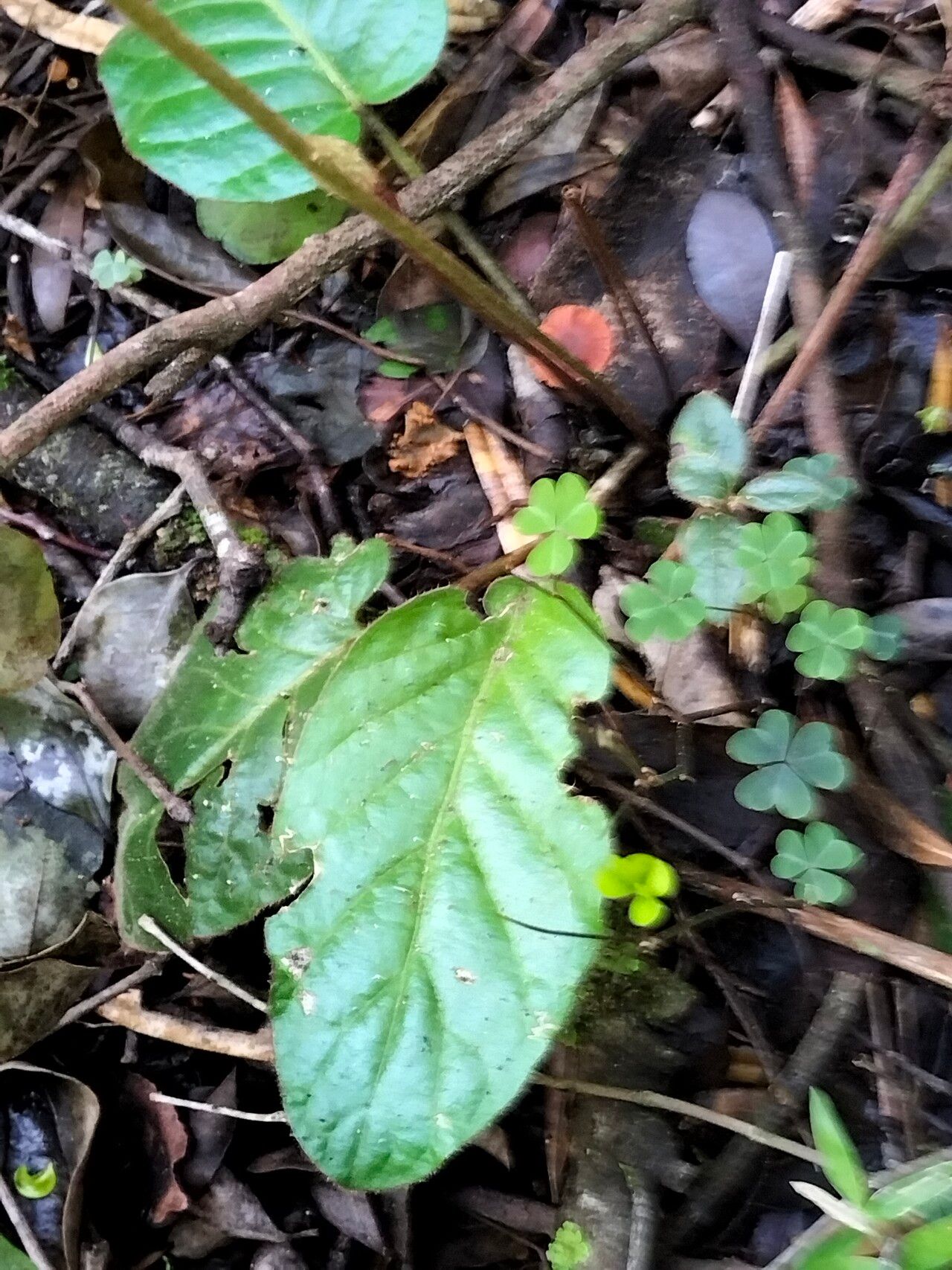
Unleashing the Power of Propagation: Multiply Your Gerbera cordata Beauties
Gerbera cordata, also known as the heart-leaved gerbera or the Transvaal daisy, graces gardens with its cheerful, daisy-like blooms in vibrant hues of orange, yellow, and red. While admiring their beauty is a delight, imagine multiplying these captivating plants without spending a fortune at the garden center. This is where the magic of propagation comes in, offering rewarding ways to expand your Gerbera cordata collection.
Understanding the Basics
Before diving into the methods, let’s understand that propagation essentially encourages a plant to reproduce itself, creating genetically identical copies. For Gerbera cordata, we’ll focus on two primary methods: division and seed propagation.
1. Division: The Gift that Keeps on Giving
Division is the most straightforward and arguably the most successful method for propagating Gerbera cordata. It involves separating a mature plant into smaller sections, each containing roots and shoots. This method not only creates new plants but also rejuvenates the original plant.
- Timing is Key: The ideal time for division is either in early spring, as new growth emerges, or in fall after the flowering season.
- Tools of the Trade: You’ll need a sharp, clean knife or garden shears, a trowel, and potting mix.
- The Process: Carefully lift the mature Gerbera cordata from its pot or the ground. Gently loosen the soil around the roots and identify natural divisions within the plant. Using your sharp tool, carefully separate the plant into sections, ensuring each section has a good root system and at least one healthy shoot.
- Potting Up: Plant the divisions in pots with well-draining soil, ensuring the crown of the plant sits slightly above the soil line. Water thoroughly and place in a sheltered location with bright, indirect light.
2. Seed Propagation: A Journey of Patience and Reward
While slightly more challenging than division, growing Gerbera cordata from seed offers a unique sense of accomplishment.
- Sourcing Your Seeds: Look for reputable seed suppliers online or at your local gardening center.
- Sowing Season: Start your seeds indoors 6 to 8 weeks before the last expected frost in your area.
- The Right Environment: Use a seed starting mix and sow the seeds lightly on the surface, pressing them gently. Mist the soil with water and cover the tray with a humidity dome or plastic wrap to retain moisture. Place the tray in a warm location with bright, indirect light.
- From Seedling to Pot: Once the seedlings develop a couple of true leaves, transplant them into individual pots with well-draining soil. Gradually acclimate them to outdoor conditions before transplanting into the garden after the last frost.
Tips for Success
- Well-Draining Soil is Crucial: Gerbera cordata dislikes soggy roots, which can lead to root rot. Ensure your potting mix and garden bed drain efficiently.
- Light Up Their Lives: Provide ample bright, indirect light for both divided plants and seedlings.
- Water Wisely: Keep the soil consistently moist but not waterlogged. Allow the top inch of soil to dry out between waterings.
- Fertilize for Flourishing Plants: Feed your Gerbera cordata every 4-6 weeks during the growing season with a balanced liquid fertilizer.
Propagating Gerbera cordata is a rewarding journey that allows you to expand your garden with minimal cost and maximum satisfaction. By following these simple steps and providing optimal care, you’ll soon be enjoying an abundance of these cheerful blooms, painting your garden with their vibrant hues for years to come.