
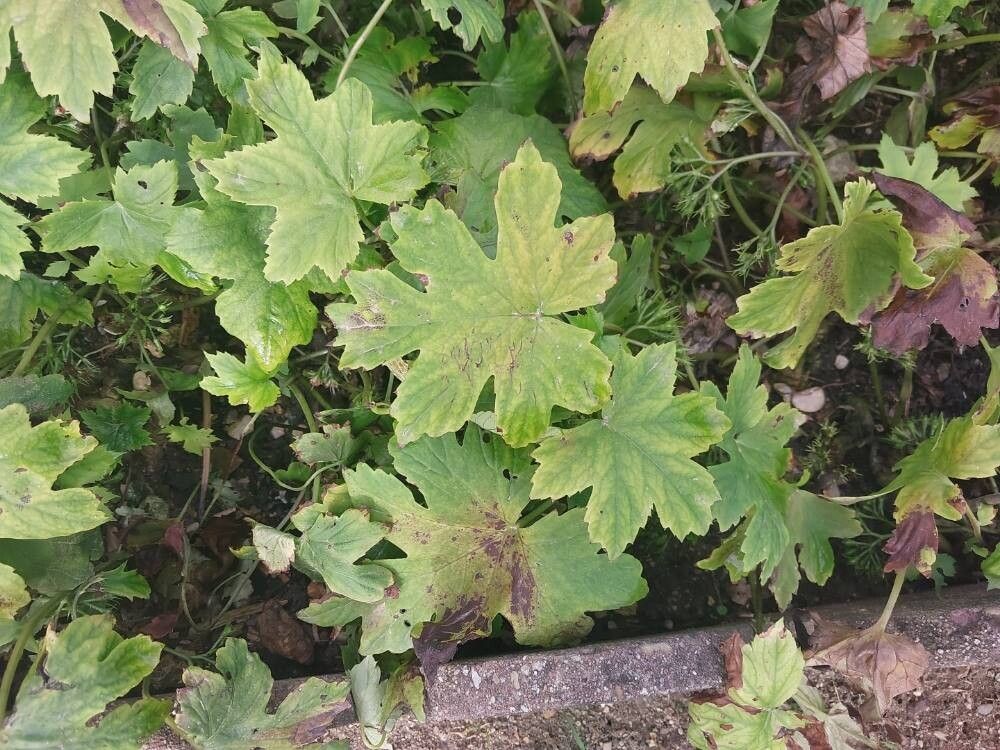
Unlocking the Secrets of Propagation: How to Grow More Hydrophyllum canadense
Have you ever stumbled across the enchanting Hydrophyllum canadense, also known as the bluntleaf waterleaf, gracing the forest floor with its delicate white or lavender blooms? This native North American wildflower, with its uniquely textured leaves, adds a touch of whimsical charm to any shade garden. If you’re hoping to welcome more of these beauties into your life, you’re in luck! This article will guide you through the surprisingly simple methods of propagating Hydrophyllum canadense.
Getting to Know Your Plant:
Before diving into propagation, it’s helpful to understand how Hydrophyllum canadense naturally reproduces. This plant utilizes two primary methods:
- Seeds: As the flowers fade, they give way to small seed pods. Once mature, these pods burst open, scattering seeds across the forest floor.
- Rhizomes: Underneath the soil, Hydrophyllum canadense grows from creeping rhizomes – underground stems that spread horizontally and sprout new shoots.
This combination of seed dispersal and rhizomatous growth makes propagation a surprisingly achievable task for gardeners of all skill levels. Let’s explore the methods:
Method 1: Propagation from Seed
- Seed Collection: In late summer or early fall, keep an eye out for the seed pods turning brown and papery. Collect them before they fully split open to prevent losing the seeds.
- Seed Preparation: Simply remove the seeds from the pods and allow them to dry completely.
- Sowing: Hydrophyllum canadense seeds benefit from a period of cold stratification to mimic natural winter conditions. This can be achieved by either:
- Direct Sowing: Sow seeds directly into prepared garden beds in the fall.
- Cold Stratification (Indoor): Place seeds in a moist paper towel inside a sealed plastic bag and store them in the refrigerator for 6-8 weeks before sowing indoors in late winter.
- Planting: Whether sowing directly outdoors or transplanting seedlings started indoors, choose a shady location with moist, well-drained soil. Plant seeds ¼ inch deep.
- Patience: Germination can be slow and erratic. Be patient and keep the soil consistently moist but not waterlogged.
Method 2: Propagation by Division
- When to Divide: Early spring or late fall, when the plant is dormant, is the ideal time for division.
- Dividing the Rhizomes: Carefully dig up a mature plant, ensuring you get a good portion of the root system. Using a sharp, clean knife or garden shears, divide the rhizomes into sections, ensuring each section has at least one healthy growth point (a bud or shoot).
- Replanting: Replant the divisions immediately in your desired locations, making sure they’re at the same depth as they were originally growing.
- Watering: Water thoroughly after planting and keep the soil consistently moist until the divisions are established.
Caring for Your New Plants:
- Light: Hydrophyllum canadense thrives in partial to full shade.
- Water: Maintain consistent moisture, especially during dry periods. However, avoid overwatering, as soggy soil can lead to root rot.
- Soil: These plants prefer loose, humus-rich soil that drains well.
By following these simple steps, you can easily propagate Hydrophyllum canadense and enjoy its delicate beauty and unique charm for years to come. So, embrace the joy of growing and expand your shade garden with this enchanting woodland wildflower.