
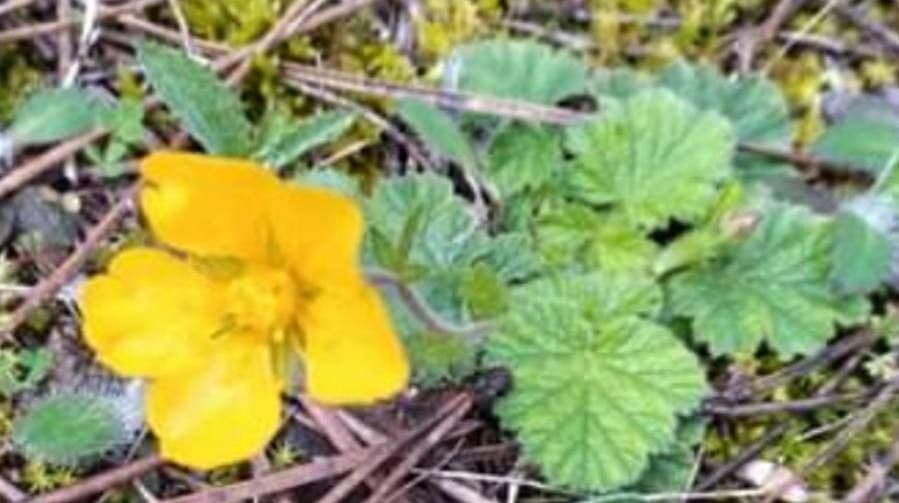
Unleashing the Wood Avens: Propagating Geum sylvaticum for a Wildflower Explosion
The delicate charm of Geum sylvaticum, commonly known as wood avens, brings a touch of woodland magic to any garden. This European native enchants with its nodding, bell-shaped flowers in shades of warm yellow, gracing the landscape from late spring into early summer. If, like many gardeners, you find yourself yearning for more of these delightful blooms, propagation is the answer! Luckily, spreading the Geum sylvaticum joy is achievable through several methods, each with its rewards.
Seeds of Success: Starting Geum sylvaticum from Seed
For those who relish the journey from tiny seed to flourishing plant, starting Geum sylvaticum from seed is a rewarding endeavor:
- Timing is Key: Sow seeds in late winter or early spring, either directly outdoors or in seed trays indoors.
- Well-Drained Delight: Use a seed-starting mix or a well-draining potting soil, ensuring good drainage to prevent soggy roots.
- Light Germinators: Sprinkle seeds on the surface and press them gently, ensuring they receive light for germination.
- Patience is a Virtue: Germination can be slow, taking anywhere from 2 to 8 weeks. Keep the soil consistently moist but not waterlogged.
- Transplanting Time: Once seedlings develop a few true leaves, carefully transplant them to individual pots or directly into the garden after the last frost.
Division for a Bountiful Display
If you have an established Geum sylvaticum, division is a fantastic method for increasing your stock:
- The Right Time: Divide your plants in early spring or fall when the plant is dormant.
- Dig Deep: Carefully lift the entire plant, ensuring you get as much of the root system as possible.
- Sharp and Clean: Using a sharp, clean knife or garden shears, divide the plant into sections, ensuring each section has a healthy clump of roots and shoots.
- Replant and Rejuvenate: Replant the divisions at the same depth they were originally growing and water thoroughly.
Basal Cuttings: Cloning Your Favorites
For exact replicas of your favorite Geum sylvaticum plants, basal cuttings are a reliable method:
- Springtime Snipping: Take basal cuttings in the spring when new growth emerges.
- Choose Wisely: Select healthy, non-flowering shoots and cut them cleanly at the base where they meet the crown of the plant.
- Hormone Boost (Optional): Dip the cut end in rooting hormone to encourage faster root development (this step is optional but helpful).
- Potting Up: Plant the cuttings in a well-draining potting mix, burying a node or two below the soil surface.
- Humidity is Key: Cover the pot with a plastic bag or use a propagator to create a humid environment that promotes rooting.
- Patience and Observation: It typically takes a few weeks for roots to form. Once you see new growth, you know your cutting has been successful.
Nurturing New Growth:
No matter your chosen propagation method, Geum sylvaticum thrives in moist, well-drained soil and partial shade. Regular watering, especially during dry spells, will benefit their growth. Deadheading spent blooms will encourage bushier growth and prolong the flowering period.
By embracing these propagation techniques, you can effortlessly cultivate a vibrant tapestry of Geum sylvaticum in your garden, transforming your outdoor space into a haven of wildflowers and vibrant color.