
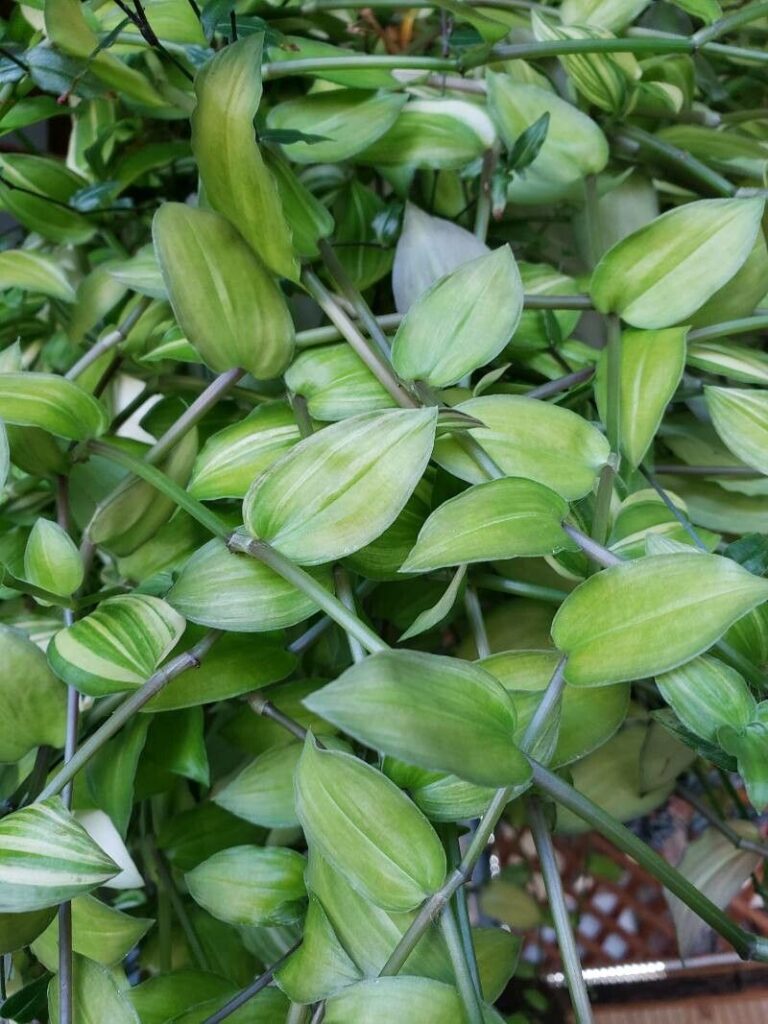
Turning One Wandering Jew Plant Into Many: A Guide to Gibasis Geniculata Propagation
The Wandering Jew (Gibasis geniculata) is a popular houseplant known for its vibrant, variegated foliage and cascading growth habit. But did you know that this beauty is also incredibly easy to propagate? This means you can create new plants from cuttings, turning one plant into a whole army of charming Wandering Jews to brighten up your home or share with friends.
Let’s dive into the exciting world of Gibasis geniculata propagation and unlock the secrets to growing your own lush collection.
Methods of Propagation
Gibasis geniculata is incredibly forgiving and can be easily propagated in a couple of ways:
- Stem Cuttings: This is the most common and simplest method. Simply snip off a healthy stem with several leaf nodes using sharp, clean scissors. Remove the lower leaves from the cutting, leaving 2-3 sets of leaves at the top.
- Leaf Cuttings: While stem cuttings are more common, you can also propagate Wandering Jew with leaf cuttings. Cut a healthy leaf from the plant, ensuring a small portion of the stem is attached.
The Process
Once you have your cuttings, follow these steps to achieve successful propagation:
- Prepare the Medium: Choose a well-draining potting mix, or use a container filled with water. Moisture is vital, but you don’t want your cuttings to sit in soggy soil.
- Root Hormone (Optional): While not necessary, using a rooting hormone can help encourage faster root development. Dip the cut ends of each stem or leaf in the powder before planting.
- Planting: Insert your cuttings into the potting mix or water, making sure the leaves are above the soil line or water level.
- Light & Humidity: Place your cuttings in a bright, indirect light location. High humidity is important for successful rooting, so you can either place the pot in a humidity dome or cover the cuttings with a plastic bag.
-
Patience: Patience is key! It can take anywhere from a few weeks to a couple of months for new roots to form. Keep the cuttings in a warm spot and check the moisture of the soil or water regularly, adding more when needed.
Signs of Success
How will you know if your propagation is working? Look for these signs:
- New growth: As the cuttings start to develop roots, you will notice fresh leaves appearing at the tip of the stem.
- Root formation: You might be able to see small, white roots emerging from the base of the cutting in the soil or water.
Caring for Your New Wandering Jews
Once your cuttings have developed roots, you can gradually acclimate them to a more permanent location. Here are some key points to remember:
- Sunlight: Gibasis geniculata thrives in bright, indirect light. Avoid direct sunlight as it can scorch the leaves.
- Watering: Allow the soil to partially dry out between waterings. Overwatering can lead to root rot.
- Fertilizer: Feeding your new plants with a balanced liquid fertilizer during the growing season can promote healthy growth.
Beyond the Basics
With a little experimentation, you can get creative with your propagation:
- Water Propagation: For a unique and visual propagation experience, try rooting your cuttings in water. You can watch the roots form right before your eyes!
- Layering: This method requires bending a stem down and burying a portion of it in the soil. New roots will develop from the buried section.
Conclusion
Gibasis geniculata propagation is an incredibly rewarding process and a fantastic way to grow your collection of this charming houseplant. It’s a great opportunity to share your love of plants with friends and family, and a fun way to connect with the natural world. So, grab your scissors, get ready to get your hands dirty, and enjoy the magic of turning one Wandering Jew into many!