
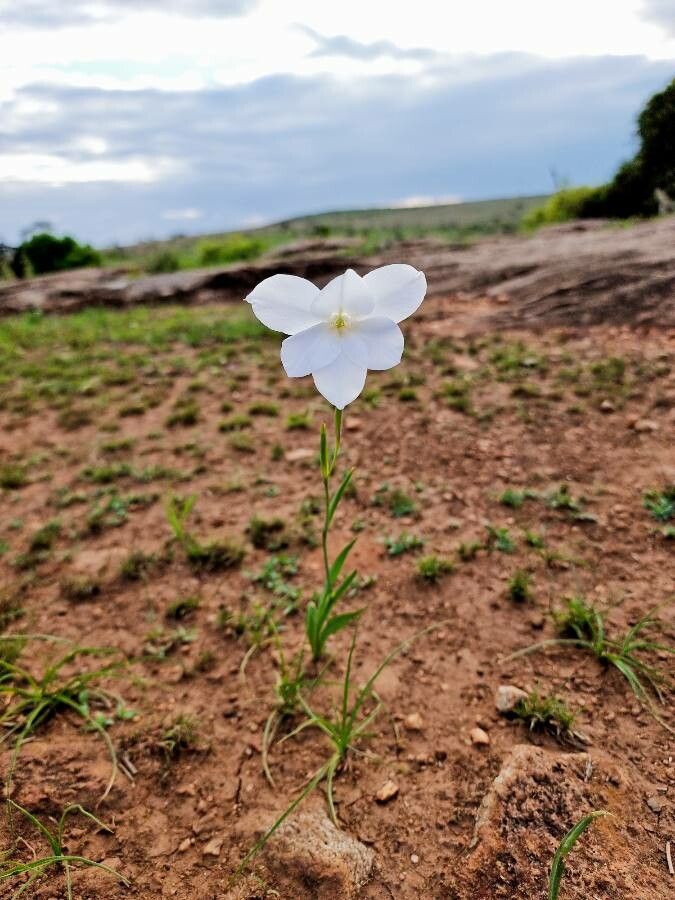
Unlocking the Secrets of Gladiolus Candidus: A Guide to Propagation
Gladiolus candidus, also known as the “white lady” or “night gladiolus,” captivates with its elegant, fragrant, white blooms that grace the evening garden. While admiring these beauties is a joy, propagating them offers a rewarding experience for any gardener keen on expanding their floral dominion. So, let’s unlock the secrets of multiplying your Gladiolus candidus, ensuring their ethereal beauty graces your garden for years to come.
Understanding the Basics: Corms, Cormlets, and Seeds
Gladiolus candidus doesn’t propagate from seeds as readily as other plants. Instead, the most common and efficient methods involve their unique underground storage structures called “corms.” Similar to bulbs, these corms hold the energy and nutrients necessary for the plant’s growth.
You’ll encounter two primary ways to propagate:
-
Division of Cormlets: Cormlets, or “cormels,” are small, bulb-like offshoots that develop around the base of the mother corm. They offer an easy and reliable method for expanding your stock.
- Division of Corms: Dividing mature corms is another effective technique. By carefully separating the corm into sections containing at least one growing point, you can create new plants.
Let’s explore each method in detail:
Method 1: Propagating from Cormlets
- Timing is Key: After the foliage naturally dies back in late summer or early fall, gently dig up the Gladiolus candidus plant.
- Identify and Separate: Carefully remove the soil around the mother corm to reveal the small cormlets. Gently detach them, ensuring each has a healthy, firm texture.
- Storage and Planting: Store the cormlets in a cool, dry place over winter. In spring, plant them approximately 2-3 inches deep and 4-6 inches apart in well-drained soil.
- Patience is a Virtue: It might take a year or two for the cormlets to reach flowering size, but the reward of blooming Gladiolus candidus is worth the wait.
Method 2: Propagating from Corm Divisions
- Mature Matters: This method is best suited for larger, healthy corms that show signs of multiple growing points (small, circular bumps).
- Strategic Division: In spring, before planting, carefully examine the corm. Using a sharp, sterile knife, divide it into sections, ensuring each section retains a growing point and a portion of the basal plate (the flattened bottom of the corm).
- Treatment and Planting: Dust the cut surfaces with a fungicide powder to prevent disease. Allow the divisions to dry for a day or two before planting them as you would mature corms.
General Tips for Success:
- Well-Drained Soil: Gladiolus candidus thrives in well-drained soil. Amend heavy clay soils with compost or other organic matter to improve drainage.
- Sunlight is Essential: Choose a location with at least 6 hours of direct sunlight per day.
- Watering Wisely: Water deeply but infrequently, allowing the soil to dry slightly between waterings. Avoid overwatering, which can lead to corm rot.
Reap the Rewards of Your Labor
Propagating Gladiolus candidus requires a touch of patience and care, but the rewards are bountiful. By employing these methods, you can enjoy a stunning display of these elegant, night-blooming beauties year after year, expanding your garden’s charm and fragrance well into the evening hours.