
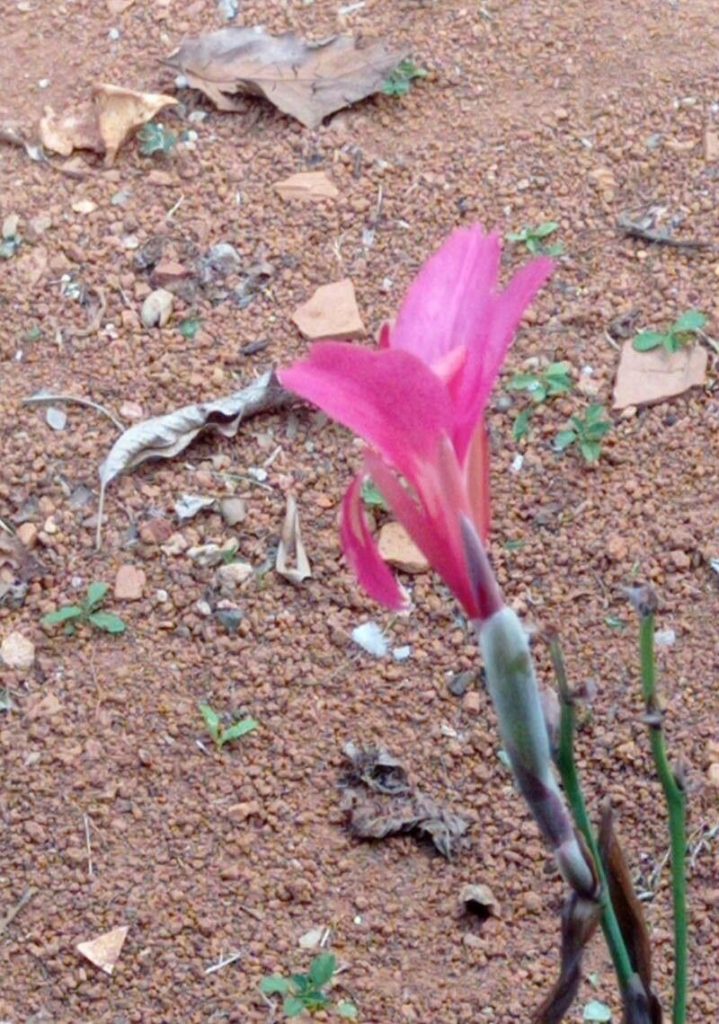
Propagating the Wild Gladiolus: A Guide to Gladiolus caryophyllaceus
Introduction:
Gladiolus caryophyllaceus, commonly known as the wild gladiolus or cornflag, is a charming and resilient species native to South Africa. Its delicate, pale pink to lavender flowers, often speckled with deeper hues, grace the landscape with their elegance. While not as flamboyant as some cultivated gladioli, its hardiness and charming simplicity have earned it a place in the hearts of many gardeners. Its smaller size and ease of integration into naturalized gardens also contributes to its popularity. However, propagating this species presents unique challenges compared to its more commonly cultivated relatives. This article explores different propagation methods, weighing their viability and potential rewards.
Seed Germination:
Currently, there are no known reliable methods for seed germination propagation of Gladiolus caryophyllaceus. While the plant does produce seeds, germination rates are notoriously low and unpredictable under typical horticultural conditions. Further research into specific germination requirements, including potential stratification techniques or hormonal treatments, may be needed to unlock the potential of seed propagation for this species.
Cuttings:
Cuttings are not a viable method for propagating Gladiolus caryophyllaceus. This species, like other gladioli, does not readily produce roots from stem cuttings.
Division:
Division is the most reliable and practical method for propagating Gladiolus caryophyllaceus. This involves carefully separating the corms (underground storage organs) into individual units, each with its own growing point.
- Challenges: The corms are relatively small and fragile, increasing the risk of damage during division. Improper handling can lead to rot or failure to establish new growth.
- Practical Tips: Division is best performed after the foliage has died back in late summer or autumn. Use a sharp, clean knife or trowel to carefully separate the corms. Ensure each corm has healthy roots and a visible growing point. Plant the divided corms immediately in well-drained soil, ensuring they are not planted too deep.
- Rewards: Division is relatively straightforward and offers a reliable way to increase the number of plants. It also ensures that the genetic characteristics of the parent plant are preserved.
Tissue Culture:
Tissue culture presents a potential, albeit complex, method for large-scale propagation of Gladiolus caryophyllaceus.
- Challenges: Establishing sterile culture conditions and developing appropriate media formulations for this specific species may require significant expertise and resources. This is a labor-intensive and technically demanding process.
- Practical Tips: Successful tissue culture requires aseptic techniques, specialized equipment (laminar flow hood, autoclave), and specific knowledge of plant tissue culture methodologies.
- Rewards: Tissue culture offers the possibility of mass propagation, generating a large number of genetically identical plants quickly. It’s ideal for conservation efforts or large-scale commercial production.
Conclusion:
Propagating Gladiolus caryophyllaceus presents both hurdles and rewards. While seed germination remains unreliable, corm division offers a relatively accessible and successful method for gardeners. Tissue culture provides a powerful alternative for large-scale propagation but requires specialized skills and resources. The challenges involved emphasize the satisfaction that comes with successfully cultivating this delightful species. The delicate bloom, earned through careful handling and understanding of its propagation nuances, is a testament to perseverance and horticultural dedication. For aspiring propagators, start with the reliable method of corm division, and if ambitious, research tissue culture techniques further. Patience and a keen eye for detail are key to success in propagating this charming wild gladiolus.