
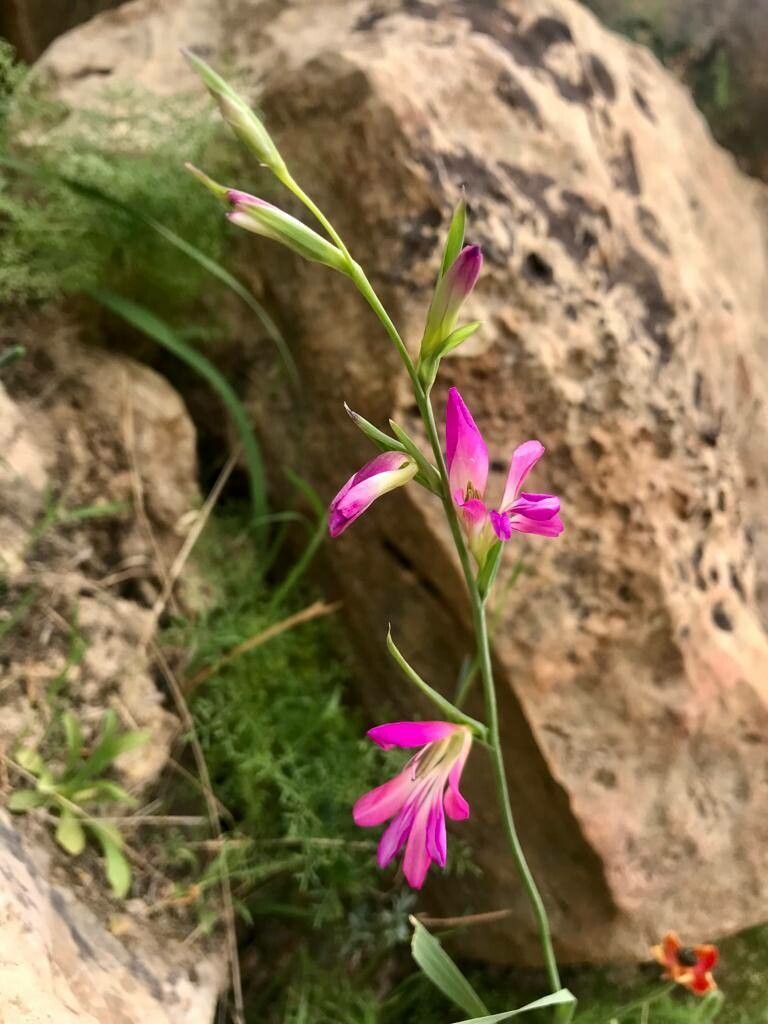
Unveiling the Persian Beauty: Propagating the Elusive Gladiolus persicus
The world of gladioli is filled with vibrant, sword-like blooms that grace gardens with their elegance. While many cultivars are widely available, there exists a captivating, yet lesser-known, species that captivates with its subtle charm: the Gladiolus persicus. Hailing from the grasslands of Iran and Iraq, this Persian beauty, also known as the Persian Sword Lily, boasts delicate, pale pink to purplish blooms with distinctive, dark-veined lower petals. If you’re looking to add a touch of exotic allure to your garden, propagating Gladiolus persicus can be a rewarding, albeit slightly challenging, endeavor.
Two Paths to Persian Perfection
Two primary methods are used to propagate Gladiolus persicus:
1. Corm Division: A Legacy Passed Down
Similar to other gladiolus species, Gladiolus persicus grows from corms, underground storage structures resembling bulbs. Over a growing season, mature corms develop miniature cormlets, or “cormels,” around their base. These cormels offer the simplest route to propagation.
- Timing is Key: Dig up the corms after the foliage has died back in the fall. Carefully detach the small cormels, ensuring they have a bit of the basal plate attached for optimal growth.
- Nurturing the Next Generation: Plant the cormels in spring, about 2-3 inches deep and 4-6 inches apart, in well-drained soil amended with compost. Water them regularly, and be patient; it may take a couple of seasons for these youngsters to bloom.
2. Seeds: Embracing the Element of Surprise
While not as common, Gladiolus persicus can be grown from seeds, making it an excellent option for adventurous gardeners.
- The Seed Quest: Seed availability may be limited, and sourcing them from reputable suppliers is crucial.
- Sowing with Care: Sow the seeds in a seed-starting mix indoors 6-8 weeks before the last frost. Maintain a warm temperature and consistent moisture.
- From Seedling to Bloom: Once the seedlings are large enough to handle, transplant them into individual pots. Gradually harden them off before planting them outdoors after the last frost, following the same spacing guidelines as cormels. Be aware that it might take several years for plants grown from seed to reach flowering maturity.
Tips for Thriving Persian Lilies
Whether you choose cormels or seeds, remember these tips for successful Gladiolus persicus propagation:
- Sun-Kissed But Not Scorched: Provide at least 6 hours of direct sunlight per day.
- Drainage is Paramount: Well-drained soil is crucial to prevent rotting corms. Consider amending heavy clay soils with sand or perlite.
- A Gentle Touch of Water: Water regularly, especially during dry spells, but avoid overwatering.
- Winter Protection: In colder regions, dig up the corms after the first frost, let them dry, and store them in a cool, dry place for the winter.
A Rewarding Challenge
Propagating the Gladiolus persicus requires patience and dedication, but the reward of witnessing these rare beauties grace your garden is well worth the effort. With proper care and attention, you can share in the legacy of this enchanting Persian flower and enjoy its subtle charm for years to come.