
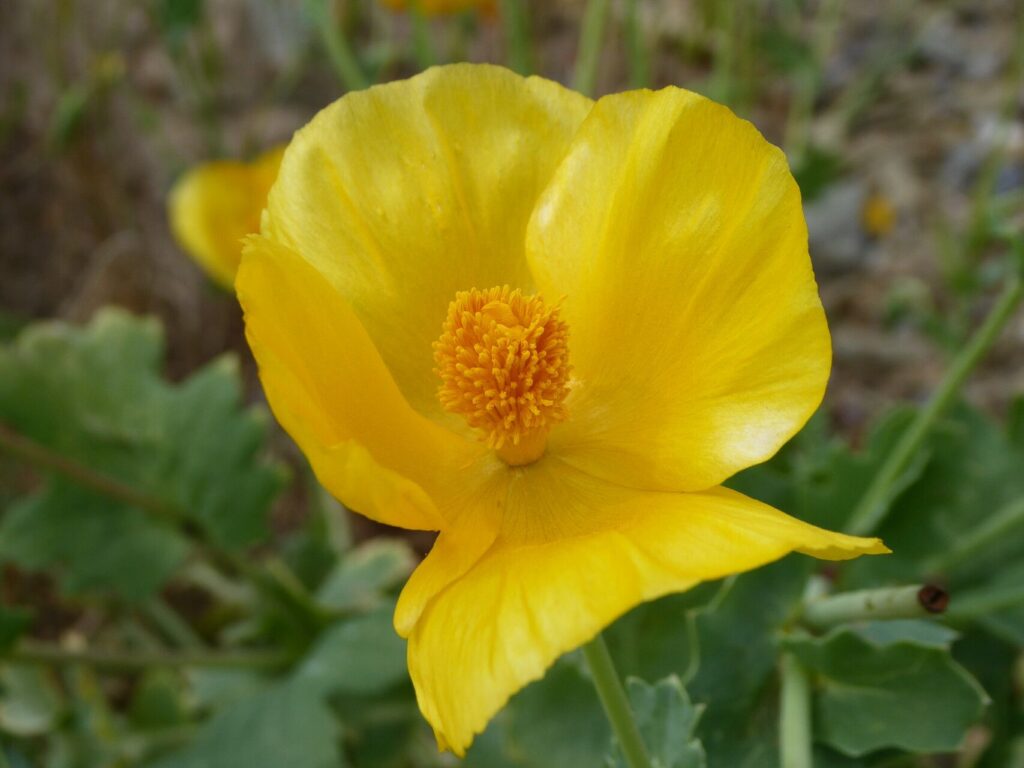
Propagating the Frilled Horned Poppy (Glaucium fimbrilligerum): A Gardener’s Guide
Introduction:
Glaucium fimbrilligerum, commonly known as the Frilled Horned Poppy, is a captivating annual or short-lived perennial boasting striking, deeply-cut, and often frilled blue-green foliage. Its vibrant, typically orange, poppy-like flowers add a splash of dramatic colour to the garden, a key reason for its growing popularity amongst plant enthusiasts. However, its relatively short lifespan makes propagation crucial for those wishing to enjoy its beauty year after year. Successfully propagating this plant offers a unique horticultural challenge and a great sense of accomplishment.
Seed Germination:
Seed germination is a viable method for propagating Glaucium fimbrilligerum. However, it presents some challenges. The seeds are known to have a low germination rate, and success often hinges on proper timing and technique.
Challenges: The seeds possess a hard seed coat that can inhibit water uptake, leading to poor germination. Furthermore, the optimal germination temperature needs to be carefully controlled.
Practical Tips: Scarification (slightly nicking the seed coat with sandpaper) before sowing can significantly improve germination rates. Sowing seeds directly outdoors in autumn, after the first autumn rains, or in a seed tray indoors in late winter and providing good drainage is recommended. While some sources suggest stratification (a period of cold, moist storage), this is not consistently reported to be necessary. Maintain consistently moist (but not waterlogged) conditions and a temperature of around 15-20°C (60-68°F). Avoid overwatering, which can rot the seeds.
Rewards: Seed propagation offers excellent genetic diversity, crucial for maintaining the species’ vigor and adapting to changing conditions. It is also the most cost-effective and potentially large-scale method.
Cuttings:
Currently, there are no known reliable methods for propagation of Glaucium fimbrilligerum from cuttings. The plant’s physiology doesn’t lend itself to successful propagation via this method.
Division:
Division is not a suitable method for propagating Glaucium fimbrilligerum. The plant’s short lifespan and limited root system generally prevent successful division.
Tissue Culture:
While tissue culture could theoretically be employed, this method is complex, expensive, and requires specialized equipment and expertise typically unavailable to home gardeners. Therefore, it is not a practical propagation method for the average cultivator.
Conclusion:
Propagating Glaucium fimbrilligerum presents a rewarding yet demanding challenge. While seed germination offers the most accessible route, it requires meticulous attention to detail and careful technique to overcome the low germination rate. The lack of success with other methods highlights the plant’s unique propagation requirements. However, the vibrant display of flowers from plants successfully propagated from seed—a direct result of your own efforts—provides an unparalleled sense of accomplishment and satisfaction. Don’t be disheartened by initial setbacks; experimentation and persistence are key to mastering propagation of this striking species. Embrace the challenge, learn from each attempt, and enjoy the fruits (or rather, flowers!) of your labour.