
Propagating the Dancing Ladies: A Guide to Cultivating Globba schomburgkii
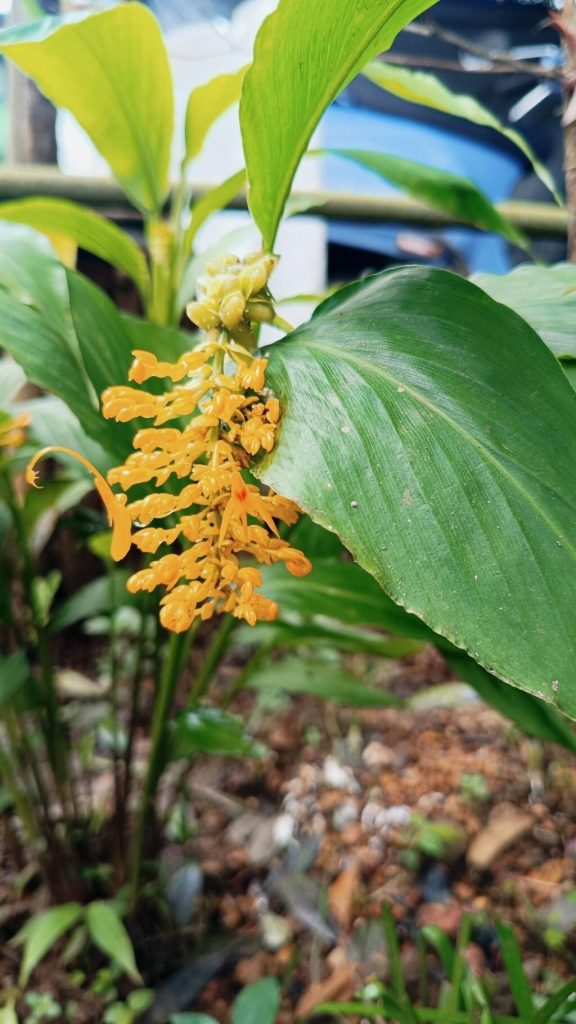
Globba schomburgkii, commonly known as the Dancing Ladies Ginger, is a captivating rhizomatous herb prized for its uniquely elegant inflorescences. These vibrant, upward-facing flower spikes, boasting bracts in shades of orange, yellow, and red, dance above attractive foliage, making it a popular choice amongst tropical garden enthusiasts. Its relative ease of cultivation in humid, shaded conditions further contributes to its appeal. However, propagation can present some challenges, making success all the more rewarding.
Seed Germination:
Currently, there are no known reliable methods for seed germination propagation of Globba schomburgkii. While the plant does produce seeds, their viability is notoriously low, and successful germination rates are exceptionally rare under typical gardening conditions. Further research into specific germination requirements, such as pre-treatment techniques or specialized media, may be needed to unlock this propagation pathway.
Cuttings:
Propagating Globba schomburgkii from cuttings presents moderate challenges.
Challenges: Cuttings are prone to rotting if not handled carefully and provided with the right conditions. Success relies heavily on maintaining high humidity and preventing fungal infections.
Practical Tips: Take stem cuttings of approximately 10-15cm in length, ideally with at least one node. Remove lower leaves to reduce water loss. Plant cuttings in a well-draining, moisture-retentive potting mix, such as a peat-perlite blend. Place the cuttings in a humid environment, such as a propagator or covered container, maintaining consistently moist (but not waterlogged) conditions. A bottom heat mat can also improve rooting success.
Rewards: This method allows for relatively quick propagation of genetically identical plants, preserving desirable traits.
Division:
Division of mature rhizomes is the most reliable and commonly practiced method for propagating Globba schomburgkii.
Challenges: Care must be taken to ensure each division retains healthy rhizome sections with actively growing buds. Poorly divided rhizomes are susceptible to rotting.
Practical Tips: Divide the rhizomes in late winter or early spring, just as new growth begins. Ensure each division contains at least two or three healthy buds. Plant the divisions in well-drained soil, keeping them slightly moist until new growth appears.
Rewards: Division offers the quickest and most successful method for propagating established plants, allowing for rapid expansion of existing stock.
Tissue Culture:
Tissue culture presents a possibility for large-scale, rapid propagation of Globba schomburgkii but requires specialized equipment and expertise.
Challenges: Successful tissue culture requires sterile laboratory techniques, specialized media, and a controlled environment. It involves considerable initial investment and ongoing maintenance.
Practical Tips: This method is best left to professionals or experienced hobbyists with access to the necessary equipment and knowledge.
Rewards: Tissue culture offers the potential to produce a large number of genetically uniform plants quickly, opening opportunities for commercial production and conservation efforts.
Conclusion:
Propagating Globba schomburgkii presents varying levels of difficulty depending on the chosen method. While seed germination is currently unrealistic, division remains the most accessible and effective approach for the home gardener. Cuttings offer a viable alternative with appropriate care, while tissue culture holds immense potential for large-scale production. The rewards, however, are substantial: the satisfaction of nurturing these delicate plants from a small rhizome or cutting into a thriving clump of vibrant blooms makes the effort worthwhile. The unique charm of the Dancing Ladies Ginger makes the slight additional challenge an excellent opportunity for the dedicated plant enthusiast. Don’t be discouraged by initial setbacks; persistence and patience are key to successfully cultivating and propagating this captivating plant.