
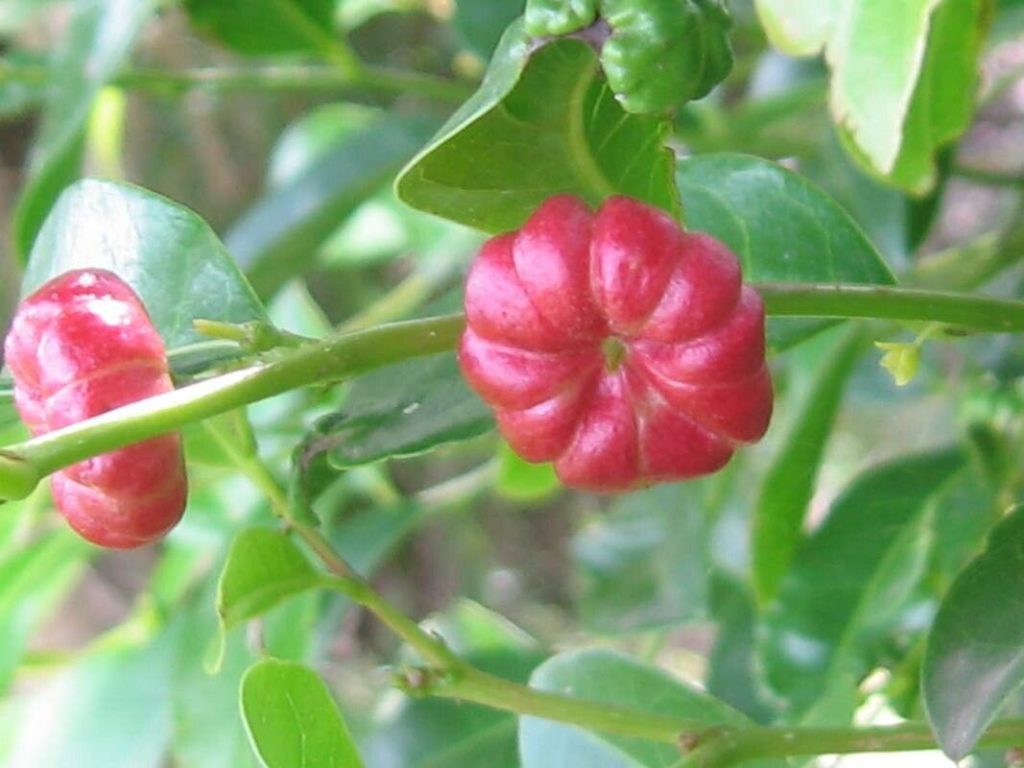
Propagating Glochidion ferdinandi: A Gardener’s Guide
Introduction
Glochidion ferdinandi, commonly known as the "Milkweed bush" (although not a true milkweed), is a captivating shrub prized for its glossy, dark green foliage and its attractive, often reddish, new growth. Its relatively compact size and tolerance of a range of conditions make it a popular choice amongst gardeners seeking an interesting and relatively low-maintenance addition to their landscape. However, its propagation presents some unique challenges, making successful cultivation all the more rewarding. Unlike some readily propagated plants, Glochidion ferdinandi doesn’t have a universally established propagation method, making experimentation and patience key.
Seed Germination:
Currently, there are no known reliable methods for seed germination propagation of Glochidion ferdinandi. While the plant does produce seeds, the germination rate is notoriously low, and successful germination in a controlled environment has not been consistently documented. Further research into specific germination requirements, such as scarification techniques or specific hormonal treatments, would be needed to determine its viability.
Cuttings:
Cuttings offer a more promising avenue for propagating Glochidion ferdinandi.
Challenges: Rooting success from cuttings can be inconsistent and slow. The plant can be prone to fungal infections if cuttings aren’t properly treated.
Practical Tips: Semi-hardwood cuttings taken in late summer or early autumn generally yield the best results. Use a rooting hormone to enhance root development. Maintain high humidity using a propagator or covering the cuttings with a plastic bag. A well-draining potting mix is crucial to prevent rot.
Rewards: Cuttings offer a relatively quick method of propagation compared to other methods and preserve the exact genetic characteristics of the parent plant. This method is also suitable for smaller-scale propagation.
Division:
Division is generally not feasible for Glochidion ferdinandi. Its root system lacks the readily separable rhizomes or suckers common in plants suitable for division.
Tissue Culture:
Tissue culture offers a potential method for large-scale propagation of Glochidion ferdinandi.
Challenges: Establishing sterile conditions and finding the optimal growth medium and hormonal balance for successful shoot multiplication and rooting are critical hurdles in tissue culture. This is a sophisticated technique requiring specialized equipment and expertise.
Practical Tips: This technique should be undertaken in a well-equipped laboratory utilizing established plant tissue culture protocols. Successful results necessitates meticulous attention to detail and careful control of environmental factors. This propagation method is ideal for mass production.
Rewards: Tissue culture can overcome seed germination issues and ensures consistency in large-scale propagation without any risk of genetic variation.
Conclusion
Propagating Glochidion ferdinandi presents unique challenges, with cuttings providing the most readily accessible and practical method for the keen home gardener. Seed germination and division are currently unreliable options, while tissue culture, though potentially highly effective for mass production, requires specialized knowledge and equipment. The rewards, however, are significant: the satisfaction of successfully propagating this attractive shrub, whether through cuttings or tissue culture, is considerable. The challenge inherent in its cultivation only adds to the appreciation and pride felt in nurturing this rewarding plant from a cutting to a mature specimen. Don’t be discouraged by initial setbacks; persistence and careful attention to detail will lead to rewarding success in cultivating this distinctive plant.