
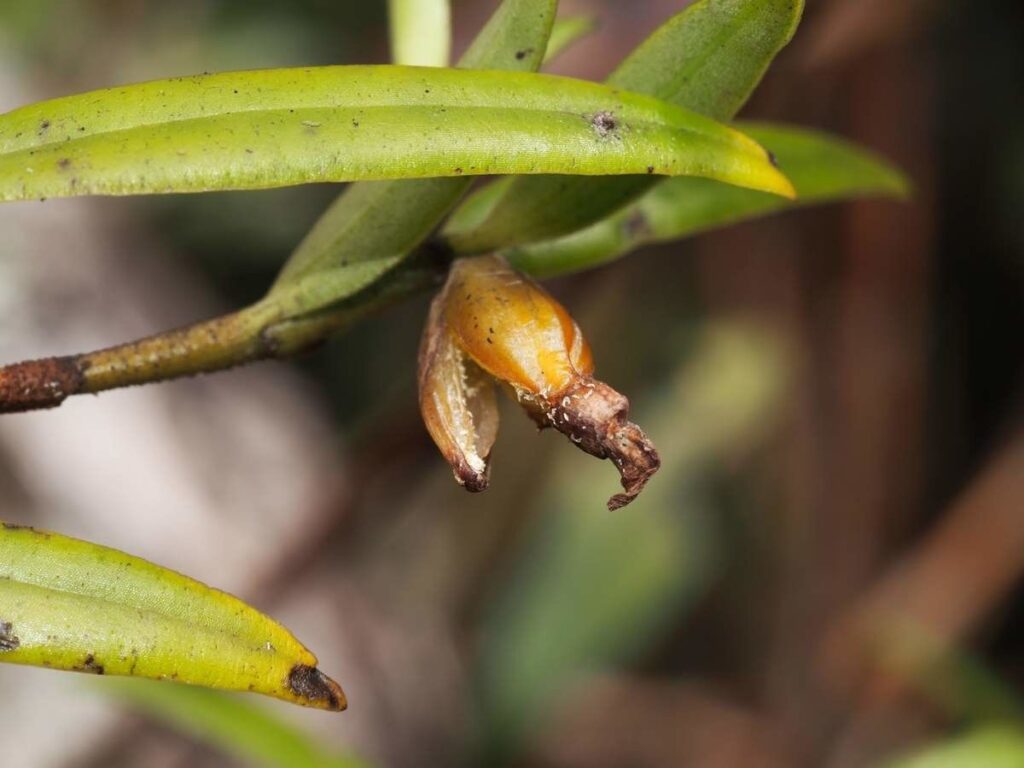
Unveiling the Secrets of Glomera macdonaldii Propagation: A Guide for Cultivating Orchid Royalty
The Glomera macdonaldii, a captivating orchid native to the misty mountains of Papua New Guinea, is a true gem for any collector. Boasting exquisite, star-shaped blooms and vibrant colors ranging from golden yellow to deep crimson, it’s no wonder enthusiasts seek to expand their collections. But propagating this orchid, known for its particular needs, can feel like navigating uncharted territory. Fear not, orchid aficionados! This guide will delve into the fascinating world of Glomera macdonaldii propagation, empowering you to cultivate these stunning orchids with confidence.
Understanding the Basics:
Before embarking on your propagation journey, it’s crucial to understand how the Glomera macdonaldii naturally reproduces. In the wild, this sympodial orchid multiplies through two primary methods:
- Division: Over time, the orchid forms clumps with multiple growths or “pseudobulbs” connected by a rhizome. Dividing these clumps is the most common propagation method.
- Backbulbs: Mature pseudobulbs that have shed their leaves, known as “backbulbs,” possess the potential to sprout new growths. This method, while less common than division, offers an alternative path to expanding your collection.
The Art of Division:
Dividing your Glomera macdonaldii should ideally be done during its active growing season, typically spring or early summer. Here’s how to proceed:
- Prepare Your Tools: You’ll need a sterilized cutting tool (pruning shears or a sharp, clean knife), a pot with drainage holes, and a well-draining orchid potting mix.
- Carefully Remove the Orchid: Gently remove the orchid from its pot and inspect the rhizome, identifying sections with at least 3-4 healthy pseudobulbs.
- Divide the Clump: Using your sterilized tool, cut through the rhizome, ensuring each division has sufficient roots attached.
- Potting and Aftercare: Plant each division in your prepared pot, ensuring the base of the pseudobulb is level with the potting mix. Water thoroughly but allow the medium to dry slightly between waterings.
The Backbulb Approach:
Propagating from backbulbs requires patience and a keen eye. Here’s the process:
- Identify Viable Backbulbs: Look for plump, firm backbulbs without any signs of disease or decay.
- Prepare Your Medium: Use a mixture of sphagnum moss and perlite (or a similar well-draining mix) to create a humid environment conducive to backbulb growth.
- Positioning is Key: Place the backbulb horizontally on your prepared medium, ensuring good contact but avoiding burying it completely.
- Patience is a Virtue: Maintaining high humidity and warm temperatures is crucial for success. Mist regularly and use a humidity tray if needed. It may take several weeks or even months for new growth to emerge.
Tips for Success:
- Optimal Environment: Replicate the humid, warm conditions of the orchid’s natural habitat.
- Light, But Not Direct: Provide bright, indirect light to encourage healthy growth.
- Consistency is Key: Maintain a regular watering and fertilization schedule throughout the growing season.
Propagating Glomera macdonaldii may require a bit of practice, but the reward of seeing these exquisite blooms grace your collection is well worth the effort. With patience, care, and the knowledge gleaned from this guide, you can successfully cultivate these botanical treasures and share their beauty for years to come.