
Cracking the Code: Propagating the Unique Glottiphyllum oligocarpum
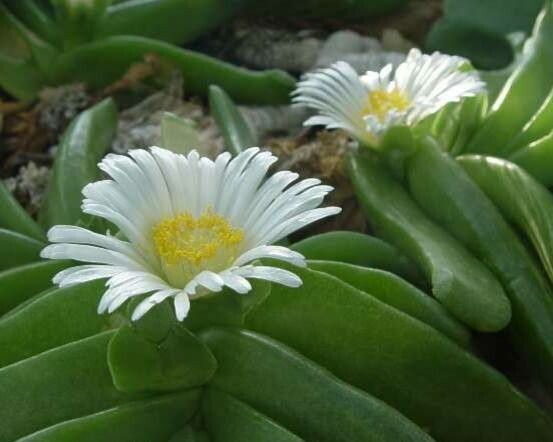
The Glottiphyllum oligocarpum, with its fleshy, tongue-shaped leaves and bright yellow daisy-like flowers, is a fascinating addition to any succulent enthusiast’s collection. Native to South Africa, this intriguing plant, also known as a “Living Stone” for its ability to camouflage within its environment, is relatively easy to care for and propagate. Intrigued? Let’s dive into the world of Glottiphyllum oligocarpum propagation.
Two Main Approaches: Seeds vs. Cuttings
1. Seed Propagation:
This method, while rewarding, demands patience. Glottiphyllum oligocarpum seeds are incredibly fine, almost dust-like. Here’s how to maximize your success:
- Sourcing Seeds: Purchase seeds from a reputable supplier to ensure viability.
- Sowing Time: Sow seeds in spring or early summer when temperatures are consistently warm.
- Soil Preparation: Utilize a well-draining seed starting mix. A blend of peat moss, perlite, and coarse sand works well.
- Sowing: Sprinkle the tiny seeds evenly over the soil surface, pressing them in lightly. Do not bury them!
- Moisture is Key: Mist the soil surface with a spray bottle to avoid dislodging the seeds. A humidity dome or clear plastic wrap over the container can help maintain moisture.
- Light and Warmth: Place the container in a bright location, but out of direct sunlight. Warm temperatures (70-75°F or 21-24°C) are ideal for germination.
Germination can take anywhere from a few weeks to a couple of months. Be patient and consistently mist the soil to keep it lightly moist.
2. Propagation from Cuttings:
This method is generally faster and utilizes the plant’s natural ability to regenerate. Here’s a step-by-step guide:
- Timing: Spring and early summer are the best times for taking cuttings.
- Cutting Selection: Choose a healthy leaf from a mature plant.
- Preparation: Using a clean, sharp knife or scissors, carefully remove the leaf at its base.
- Callusing: Allow the cutting to dry out and form a callus at the cut end. This prevents rot. It may take a few days to a week.
- Planting: Plant the callused end of the leaf cutting into a well-draining potting mix, similar to the one used for seeds.
- Light and Water: Place the cutting in a bright location out of direct sunlight. Water sparingly, allowing the soil to dry out completely between watering.
In a few weeks, you’ll notice roots and eventually, a new plantlet emerging from the base of the leaf cutting.
Caring for Your New Propagations:
Whether you’ve chosen seeds or cuttings, the care for your new Glottiphyllum oligocarpum remains the same:
- Potting: Use pots with drainage holes to prevent waterlogging, which can lead to root rot.
- Watering: Water deeply but infrequently, allowing the soil to dry out completely between waterings. These succulents are drought-tolerant.
- Sunlight: Provide bright, indirect light.
- Fertilizing: Fertilize sparingly during the growing season (spring and summer) with a diluted balanced fertilizer.
Propagating your own Glottiphyllum oligocarpum is a rewarding experience that allows you to expand your succulent collection while witnessing the fascinating life cycle of these unique plants. So, grab your gardening gloves, unleash your green thumb, and enjoy the journey!