
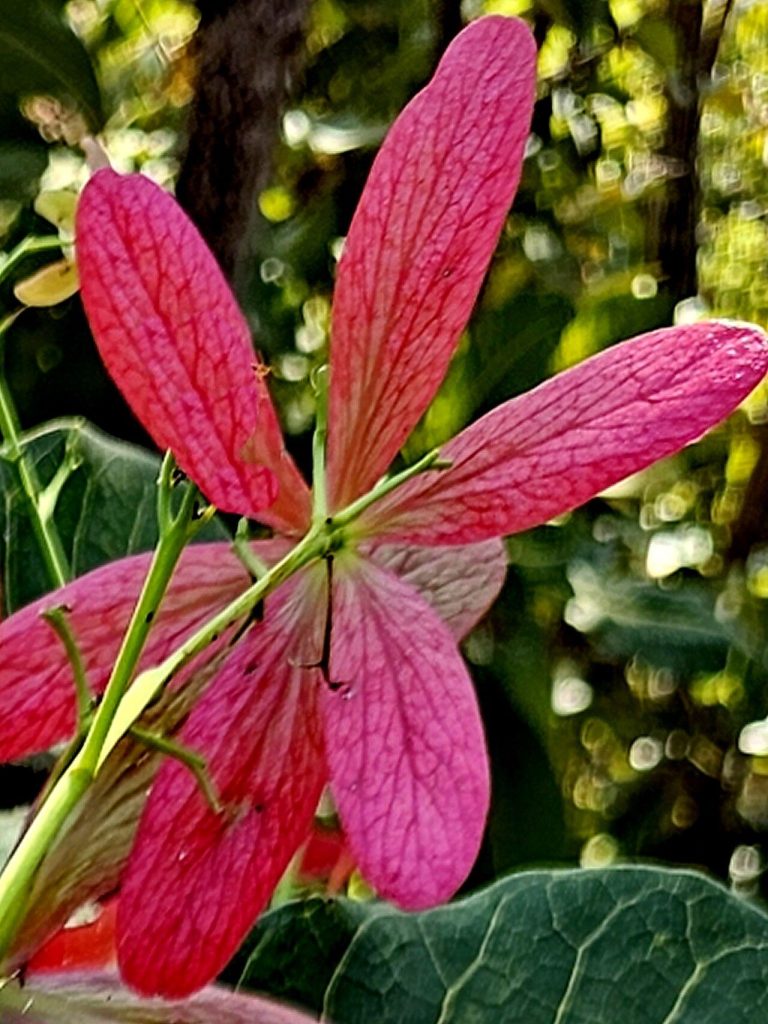
Propagating Gluta usitata: A Gardener’s Guide to the Rengas Tree
Introduction:
Gluta usitata, commonly known as Rengas, is a striking tropical tree prized for its attractive, dense foliage and valuable timber. Characterized by its glossy, leathery leaves and, in mature specimens, its impressive height, Rengas holds a significant place in both landscaping and forestry. Its popularity among gardeners stems from its ability to create a robust, eye-catching focal point, although its relatively slow growth can test the patience of even experienced cultivators. Propagation of Gluta usitata presents some unique challenges, making successful cultivation all the more rewarding.
Seed Germination:
Currently, there are no known reliable methods for seed germination propagation of Gluta usitata. While seeds may be produced, their germination rate is notoriously low, and successful germination under controlled conditions has not been consistently documented in available literature. Further research into seed viability and pre-treatment techniques is needed before seed propagation can be considered a viable option for Gluta usitata.
Cuttings:
Cuttings present a more promising, albeit still challenging, method for propagating Rengas.
-
Challenges: Gluta usitata, like many tropical hardwoods, can be difficult to root from cuttings. The success rate is relatively low, and cuttings are prone to fungal diseases and desiccation. The lignification of the stems also complicates the process.
-
Practical Tips: Semi-hardwood cuttings taken during the late summer or early fall are more likely to succeed. The use of rooting hormones (e.g., IBA) is highly recommended. Maintaining high humidity using propagation trays or humidity domes is crucial. A well-draining propagation mix is essential to prevent root rot. Regular misting and careful monitoring for signs of disease are also vital.
- Rewards: Successfully rooting cuttings allows for the propagation of desirable traits from parent plants, ensuring a quicker route to larger specimens than growing from seed (if seed propagation were a possibility).
Division:
Division is not a feasible propagation method for Gluta usitata. This tree develops a large, deep taproot system making division impractical and likely fatal to the plant.
Tissue Culture:
Tissue culture offers the most promising, albeit technically demanding, approach to propagating Rengas.
-
Challenges: Establishing a sterile culture and identifying the optimal growth media and hormonal balance for Gluta usitata require specialized knowledge and equipment. The process is time-consuming and expensive.
-
Practical Tips: Successful tissue culture requires a clean laboratory environment, sterile procedures, and a thorough understanding of plant tissue culture techniques. Experimental work would be required to identify the optimal media composition for shoot multiplication and rooting.
- Rewards: Tissue culture allows for the rapid and large-scale propagation of genetically uniform plants, preserving desirable traits and offering the possibility of disease-free stock. This technique is also ideal for conservation efforts involving endangered varieties.
Conclusion:
Propagating Gluta usitata presents a significant challenge, and success requires patience, skill, and a degree of experimentation. While seed germination is currently unviable, cuttings offer a potential, though relatively low-yield, method for home propagation. Tissue culture remains the most promising avenue for large-scale or commercial propagation, but it demands significant technical expertise and resources. Despite these hurdles, the unique beauty and resilience of the Rengas tree make the effort profoundly worthwhile. The satisfaction derived from successfully nurturing a cutting into a thriving sapling, or from mastering the intricacies of tissue culture, is reward enough for the dedicated gardener. We encourage aspiring propagators to persist, learn from their experiences, and enjoy the journey of cultivating this magnificent tree.