
From Seed to Success: Propagating the Graceful Glyceria Declinata
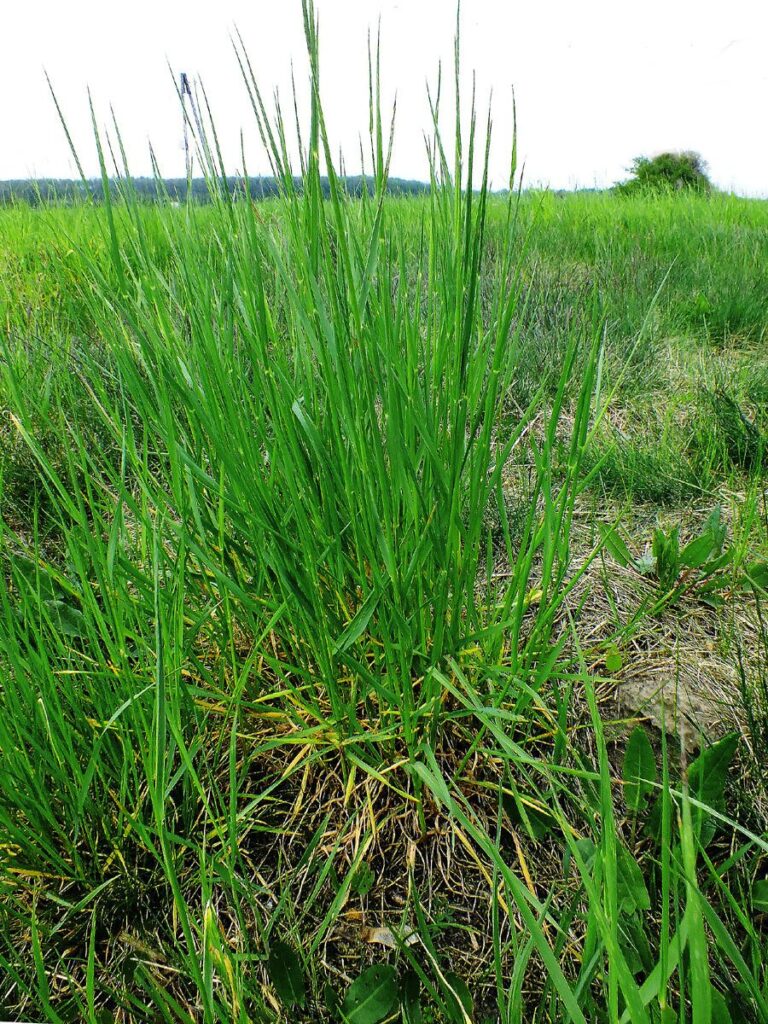
The Glyceria declinata, often called “Reeds Sweetgrass,” stands out with its graceful, flowing foliage and its ability to bring a touch of natural charm to any water garden or pond edge. But how can you bring this beauty into your own garden? One answer lies in propagation – the art of making new plants from existing ones. This blog post will guide you through the ins and outs of propagating Glyceria declinata, ensuring you can enjoy the captivating beauty of this aquatic plant for years to come.
Methods of Propagation
Glyceria declinata is easily propagated through a variety of methods, each with its own advantages.
-
Division: This is the simplest and most common method. In spring or fall, carefully dig up a clump of Glyceria declinata and gently divide it into smaller sections, ensuring each section has healthy roots and stems. The divided plants can then be replanted in suitable moist soil near water.
-
Cuttings: Glyceria declinata can also be propagated using stem cuttings. Take a healthy 6-8 inch stem cutting, removing the lower leaves and leaving the top few leaves intact. Plant the cuttings in a mixture of moist soil and perlite, placing them in bright, indirect light. Keep the soil consistently moist, and you should see new roots forming within a few weeks.
- Seeds: While Glyceria declinata does produce seeds, they can be slow to germinate. However, if you’re interested in experimenting, collect the seeds from mature plants and sow them in a moist, well-drained seed tray. Keep the seed tray in a warm spot with plenty of light, and you may see tiny sprouts emerge within a few weeks.
Essential Tips for Successful Propagation
-
Timing is Key: The best time to propagate Glyceria declinata is during the spring or fall when the plant is actively growing. Avoid the hot summer months or cold winter months as the plant may struggle to establish itself.
-
Choose Healthy Starter Material: Only use healthy, vigorous plants for division or cuttings. Discard any diseased or damaged parts to avoid spreading problems to your new plants.
-
Provide Ideal Conditions: Glyceria declinata thrives in moist soil, near water sources. Choose a suitable location with adequate space for the plant to grow.
-
Maintain Moisture: Once planted, keep the soil consistently moist. Glyceria declinata requires ample water to thrive, especially during hot weather.
- Avoid Overcrowding: While Glyceria declinata can be a prolific grower, it’s important to avoid overcrowding. Thin out the plants if necessary to ensure proper air circulation and growth.
Benefits of Propagating Glyceria Declinata
- Low-Cost Method: Propagation allows you to expand your water garden without the expense of purchasing new plants.
- Healthy Plants: Plants grown from cuttings or divisions generally adapt more easily to their new environment and are less susceptible to disease.
- Personalized Garden: Propagation allows you to experiment with different varieties and create a personalized water garden reflecting your individual taste.
Conclusion
Propagating Glyceria declinata is a rewarding and straightforward process that allows you to enjoy the graceful beauty of this aquatic plant for years to come. By following the tips mentioned in this blog post and understanding the basic methods of propagation, you can easily create new, thriving plants, expanding your water garden with ease. You’ll soon be sharing your love for this captivating plant with friends and family, creating a network of beautiful Glyceria declinata gardens in your community!