
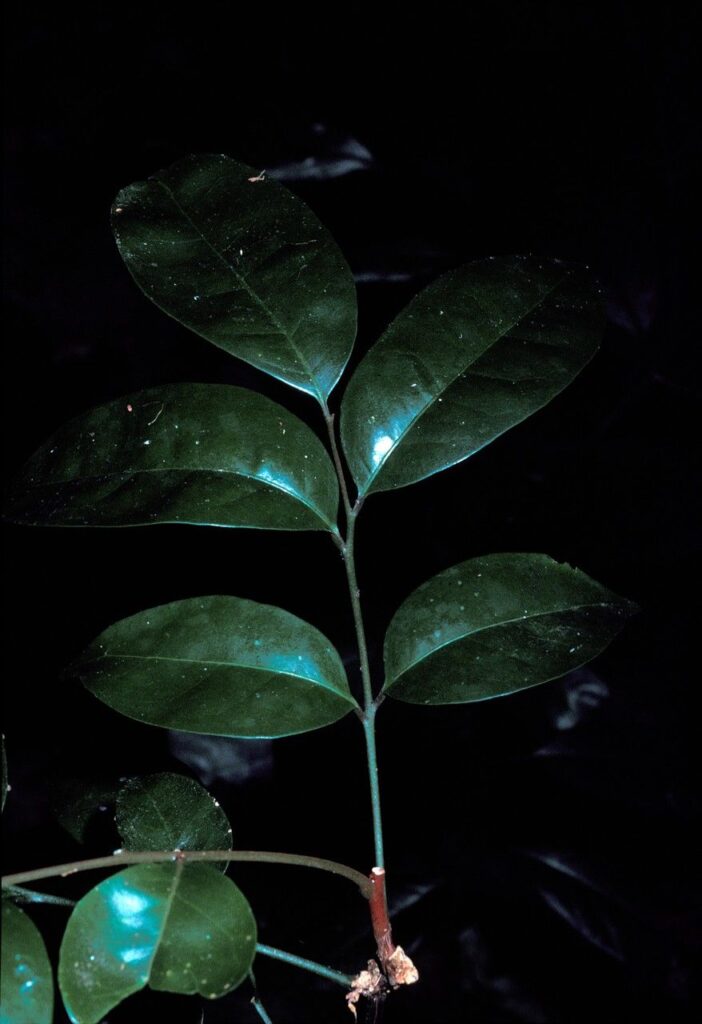
Propagating Glycosmis macrocarpa: Challenges and Rewards of Cultivating the "Climbing Orange"
Introduction
Glycosmis macrocarpa, commonly known as the climbing orange or the broad-leaved glycosmis, is a captivating shrub or small tree prized for its attractive foliage and clusters of fragrant, white flowers. Its attractive, glossy leaves and the potential for beautiful, if small, fruits add to its horticultural appeal, making it a sought-after plant among gardeners who appreciate less-common species. However, propagating this intriguing plant presents unique challenges. Its popularity, paired with these challenges, makes understanding its propagation methods essential for successful cultivation.
Seed Germination
Currently, there are no known reliable methods for seed germination propagation of Glycosmis macrocarpa. While seeds may be produced, their viability and germination rate are reportedly extremely low, making seed propagation impractical for most gardeners. Further research into specific germination requirements, including potential dormancy-breaking techniques, is needed.
Cuttings
Cuttings offer a more promising avenue for Glycosmis macrocarpa propagation.
-
Challenges: Success rate can be variable depending on the timing, type of cutting (hardwood, semi-hardwood or softwood), and the rooting medium and environment. The plant may be relatively slow to root.
-
Practical Tips: Semi-hardwood cuttings, taken in late summer or early autumn, are likely the most successful. Use a sharp, clean knife or shears to take cuttings approximately 4-6 inches long, with at least two leaf nodes. Remove lower leaves to prevent rotting. Dip the cut ends in rooting hormone powder before planting in a well-draining medium, such as a mixture of perlite and peat moss. Maintain high humidity (e.g., using a propagator or plastic bag) and consistent moisture without overwatering. Bottom heat can also improve rooting success.
- Rewards: Cuttings offer a faster way to produce new plants compared to other methods and preserve the desirable traits of the parent plant. This method is suitable for smaller-scale propagation.
Division
Division is not a practical method for propagating Glycosmis macrocarpa. This plant doesn’t readily form clumps or suckers that can be easily divided.
Tissue Culture
Tissue culture presents a potential, albeit specialized, method for propagating Glycosmis macrocarpa.
-
Challenges: Establishing aseptic conditions and obtaining sterile plant material are crucial. This method requires specialized knowledge, equipment, and a controlled environment, making it unsuitable for home gardeners.
-
Practical Tips: This requires sophisticated laboratory equipment and expertise in plant tissue culture techniques. Explants (small pieces of plant tissue) would need to be carefully selected and cultured using appropriate growth media and hormones to induce shoot and root formation.
- Rewards: Tissue culture allows for the rapid multiplication of genetically identical plants, preserving desirable traits and offering a potential for large-scale propagation for commercial purposes. It also allows for the production of disease-free plants.
Conclusion
Propagating Glycosmis macrocarpa presents unique challenges, with cuttings currently offering the most accessible and reliable method for home gardeners. Seed propagation is unreliable, division is not applicable, and tissue culture requires specialized expertise and equipment. While the low success rate of some methods can be frustrating, the rewards of successfully cultivating this beautiful plant are significant. The unique satisfaction of overcoming these propagation challenges, nurturing a cutting to a thriving plant, and finally enjoying its beauty in your garden is a deeply rewarding experience for the dedicated gardener. For those aspiring to cultivate this plant, perseverance, attention to detail, and the willingness to experiment with different cutting techniques are key to success.