
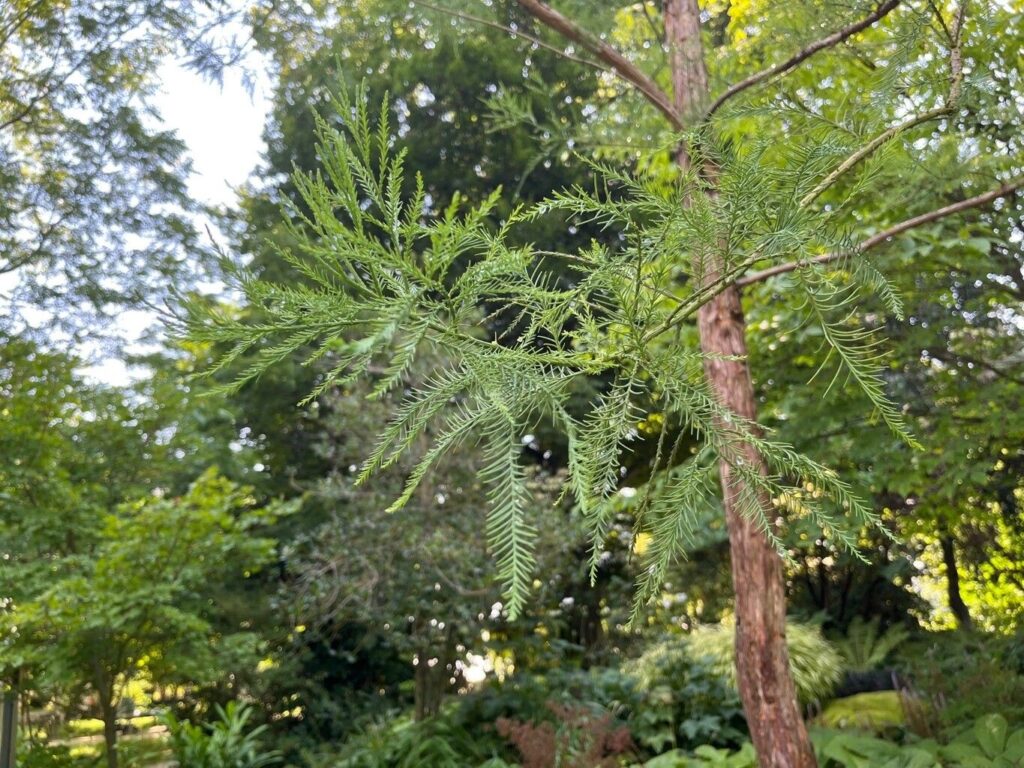
From Seed to Tree: Propagating the Rare and Wonderful Glyptostrobus pensilis
The Glyptostrobus pensilis, or the “Water Fir,” is a fascinating and rather unique conifer. With its graceful, weeping branches adorned with delicate needle-like leaves, it adds an elegant touch to any landscape. If you’re lucky enough to own this rare beauty, or simply admire its distinctive charm, you might be wondering: how can I grow more of these majestic trees?
The good news is, propagating the Glyptostrobus pensilis is not as daunting as it might seem. This article will explore two primary methods – propagation from seed and through cuttings – and provide you with the essential steps to success.
Seed Propagation: A Journey From Tiny Seed to Towering Tree
1. Gathering Seeds:
Glyptostrobus pensilis produces cones that ripen in the fall, releasing seeds that are best collected after they have dispersed naturally. Keep an eye out for the cones changing color from green to brown – this is a clear sign that the seeds within are ready.
2. Preparing the Seeds:
Seeds must be cleaned and stratified before planting. This process mimics the natural winter dormancy that seeds experience in their native habitat. To clean the seeds, wash them thoroughly in water and remove any debris. Next, mix the cleansed seeds with a damp medium like peat moss or vermiculite and store them in a sealed container in the refrigerator for 8-12 weeks.
3. Planting the Seeds:
Once the stratification period is complete, carefully sow the seeds in a seed tray filled with a well-draining potting mix. Ensure the seeds are barely covered with soil and keep the mix moist without being soggy. Place the tray in a bright, indirect light location.
4. Patience is Key:
Germination can take several weeks, sometimes even months. Maintaining consistent moisture and temperature is crucial for successful sprouting. Be patient, as the journey of a seed to a young sapling takes time.
Cutting Propagation: A More Rapid Approach
1. Selecting Cuttings:
For cutting propagation, choose a healthy, young shoot with terminal buds. The ideal time for taking cuttings is in the spring or early summer, when the plant is actively growing.
2. Preparing the Cuttings:
Make a clean, sharp cut just below a node, which is a point where leaves grow from the stem. Remove any lower leaves and dip the cut end in rooting hormone powder to encourage root development.
3. Striking the Cuttings:
Plant the cuttings in a propagation mix specifically designed for rooting. This is usually a mixture of peat moss, perlite, and vermiculite. Keep the mix moist and maintain high humidity around the cuttings by using a misting bottle or placing a clear plastic dome over them.
4. Maintaining the Cuttings:
Place the cuttings in a bright, indirect light location and ensure the humidity remains high for the first few weeks. The roots will begin to form within 4-6 weeks, although it can take up to several months. Once rooted, you can gradually acclimatize the young plants to their permanent outdoor location.
Final Thoughts: A Rewarding Journey
Whether you choose to grow a Glyptostrobus pensilis from seed or through cuttings, the process offers a rewarding connection with nature. By understanding the needs of this unique tree, you can ensure its successful growth and the lasting beauty it brings to your landscape. Embrace the opportunity to cultivate something special, and remember, patience and care are the key ingredients in nurturing this remarkable species.