
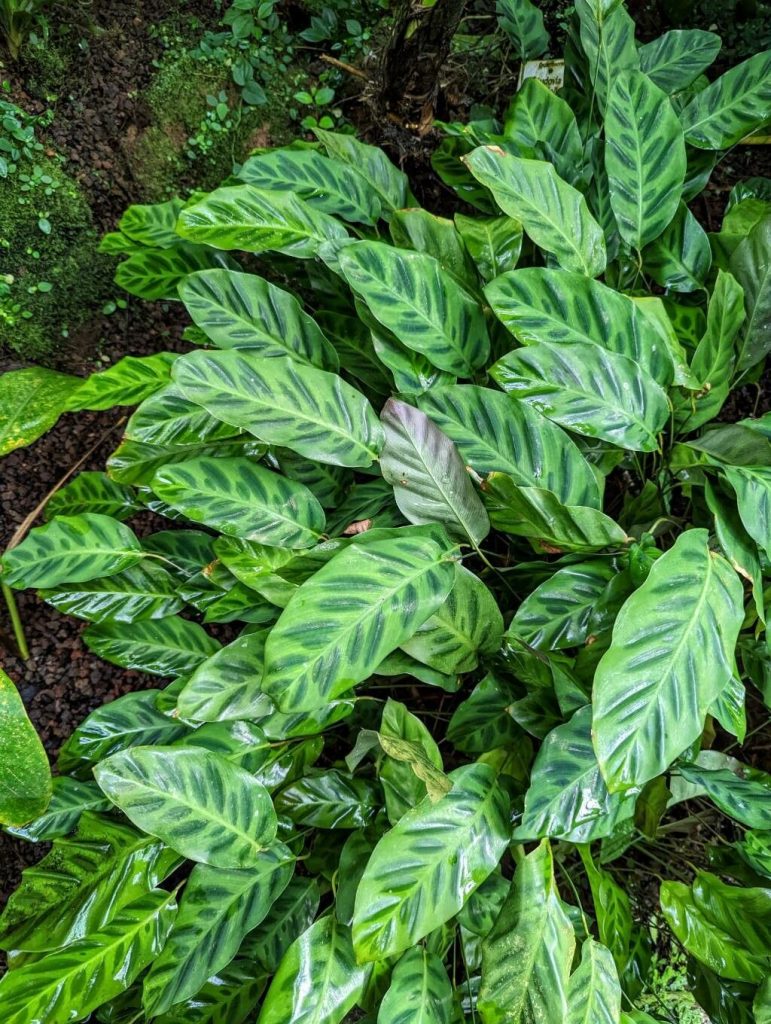
Propagating the Exquisite Goeppertia concinna (formerly Calathea concinna)
Goeppertia concinna, formerly known as Calathea concinna, is a captivating member of the Marantaceae family, prized for its exquisitely patterned foliage. Its dark green leaves are adorned with striking, lighter green, almost silvery, veins creating a captivating contrast. This relatively compact plant is gaining popularity amongst houseplant enthusiasts, largely due to its unique beauty and manageable size. However, propagation can be challenging, offering a rewarding experience for those willing to persevere. This article explores the various methods available, outlining their respective challenges and rewards.
Seed Germination:
Currently, there are no known reliable methods for seed germination propagation of Goeppertia concinna. While some species within the Goeppertia genus may propagate via seed, this method has not proven successful for G. concinna in documented horticultural practices. Further research might be needed to determine viable seed germination techniques, potentially involving specific hormonal treatments or environmental manipulations.
Cuttings:
Propagating Goeppertia concinna via cuttings is more feasible than seed germination, albeit still challenging.
Challenges: Goeppertia concinna cuttings are prone to rotting if not handled carefully. The success rate is relatively low compared to other, more easily propagated plants. Maintaining appropriate humidity levels is crucial.
Practical Tips: Stem cuttings, taken from healthy, mature growth, should be approximately 4-6 inches long, with at least two nodes. Remove the lower leaves to prevent rotting. Dip the cut end in a rooting hormone powder before planting in a well-draining, moist, but not saturated, propagating mix (e.g., perlite and peat moss). High humidity is essential, achieved through misting regularly or placing the cutting in a humidity dome or propagation tray. Avoid direct sunlight.
Rewards: Successful propagation from cuttings allows for the creation of genetically identical plants, preserving the specific characteristics of the mother plant. This is a relatively straightforward method once mastered.
Division:
Division is arguably the most successful and common propagation method for Goeppertia concinna.
Challenges: Overly aggressive division can damage the plant’s rhizomes, hindering growth and potentially killing the plant. It’s crucial to ensure each division has sufficient root mass and healthy growth points.
Practical Tips: Division is best undertaken during the spring or early summer, when the plant is actively growing. Gently remove the plant from its pot, carefully separating the rhizomes with a clean, sharp knife or your fingers. Ensure each division includes a healthy portion of roots and several leaves. Replant in well-draining potting mix and water thoroughly but sparingly until new growth appears.
Rewards: Division is generally quick and successful, providing a relatively high rate of propagation. It’s a less technically demanding method than cuttings or tissue culture.
Tissue Culture:
Tissue culture offers the potential for large-scale propagation of Goeppertia concinna, though it requires specialized equipment and expertise.
Challenges: This method is costly and requires a sterile laboratory environment and specialized knowledge of plant tissue culture techniques. Contamination poses a significant risk.
Practical Tips: Explants (small pieces of plant tissue) are taken from a healthy mother plant and placed in a nutrient-rich agar medium under sterile conditions. Sterility is paramount to prevent fungal or bacterial contamination.
Rewards: Tissue culture enables the rapid and large-scale production of genetically identical plants, important for commercial propagation and conservation efforts. It can also help eliminate diseases present in the mother plant.
Conclusion:
Propagating Goeppertia concinna presents varying levels of challenge depending on the chosen method. While seed propagation is currently unreliable, division offers the most accessible and reliable approach for home propagators. Cuttings are feasible but require patience and attention to detail, while tissue culture demands specialized skills and equipment. The unique satisfaction derived from successfully propagating this beautiful plant stems from overcoming these hurdles. The eventual flourishing of a new plant, born from a small cutting or rhizome division, is an immensely rewarding experience. So, embrace the challenge, experiment with the methods outlined, and enjoy the beauty that results from your efforts!