
Propagating Goeppertia loeseneri: A Guide to Cultivating the Velvet Calathea
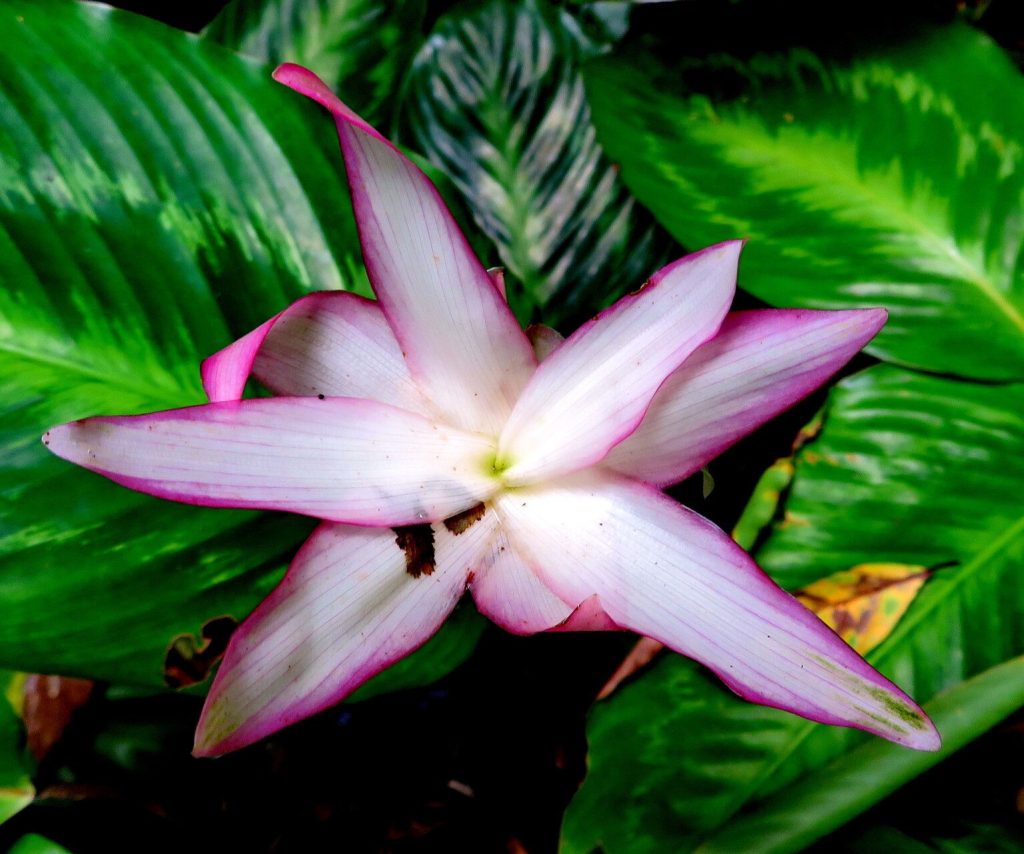
Goeppertia loeseneri, commonly known as the Velvet Calathea, is a highly prized houseplant renowned for its strikingly beautiful foliage. Its large, oval leaves boast a deep, rich green upper surface, dramatically contrasted by velvety, deep purple undersides. This striking color combination, coupled with its relatively manageable size, has made it a favorite among indoor gardeners. However, propagating this beauty can present some unique challenges. This article explores various propagation methods for Goeppertia loeseneri, weighing their feasibility and rewards.
Seed Germination:
Currently, there are no known reliable methods for seed germination propagation of Goeppertia loeseneri. While the plant does produce seeds, their viability and germination rate are reportedly extremely low, making this method impractical for most home gardeners.
Cuttings:
Cuttings offer a more promising method for propagating Goeppertia loeseneri.
Challenges: Root development from stem cuttings can be slow and inconsistent. The high humidity and consistent warmth required for successful rooting can be difficult to maintain consistently. Rot is also a common problem if the cuttings are not kept sufficiently dry at the base.
Tips: Take stem cuttings approximately 4-6 inches long, ensuring each cutting includes at least two nodes. Remove lower leaves to prevent rotting. Dip the cut ends in a rooting hormone to encourage root development. Plant cuttings in a well-draining mix, such as perlite and peat moss, maintaining consistently high humidity (e.g., using a propagator or plastic bag). Keep the soil moist but not waterlogged. Patience is key; rooting may take several weeks.
Rewards: This method provides a relatively straightforward way to increase your Goeppertia loeseneri collection. It’s also less likely to cause significant damage to the mother plant compared to division.
Division:
Division is arguably the most successful and frequently employed method for propagating Goeppertia loeseneri.
Challenges: Dividing the rhizome requires care to avoid damaging the delicate roots and causing undue stress to the mother plant. Properly separating the rhizome into viable divisions with sufficient root systems is crucial for survival.
Tips: Divide the plant during repotting in spring or early summer. Gently remove the plant from its pot and carefully separate the rhizome into sections, ensuring each division has its own healthy root system and several healthy leaves. Replant the divisions in well-draining potting mix. Keep the divided plants in a humid environment and monitor watering carefully.
Rewards: Division yields relatively quickly established plants, offering a faster increase in the number of plants than cuttings. It is a reliable method for experienced gardeners.
Tissue Culture:
Tissue culture provides a potentially high-yield method for large-scale propagation of Goeppertia loeseneri.
Challenges: Tissue culture requires specialized equipment, a sterile environment, and a good understanding of plant tissue culture techniques. It is generally beyond the scope of the average home gardener.
Tips: This method is best left to professional nurseries or laboratories equipped with the necessary facilities and expertise.
Rewards: This method allows for rapid and extensive propagation, maintaining genetic uniformity, and potentially producing disease-free plants.
Conclusion:
Propagating Goeppertia loeseneri presents unique challenges across all methods explored. Seed germination is currently impractical, while cuttings require patience and a specific environment. Division offers a reliable approach for experienced gardeners, and tissue culture represents a high-tech solution for mass production. However, the rewards of successfully cultivating this stunning plant are significant. The satisfaction of nurturing a tiny cutting into a thriving Velvet Calathea or expertly dividing a mature plant into multiple specimens is immeasurable. For aspiring propagators, starting with division is recommended, while those with the resources and interest can explore the more technically demanding options. The journey to successfully propagating Goeppertia loeseneri, though demanding, is a testament to horticultural dedication and results in a truly rewarding experience.