
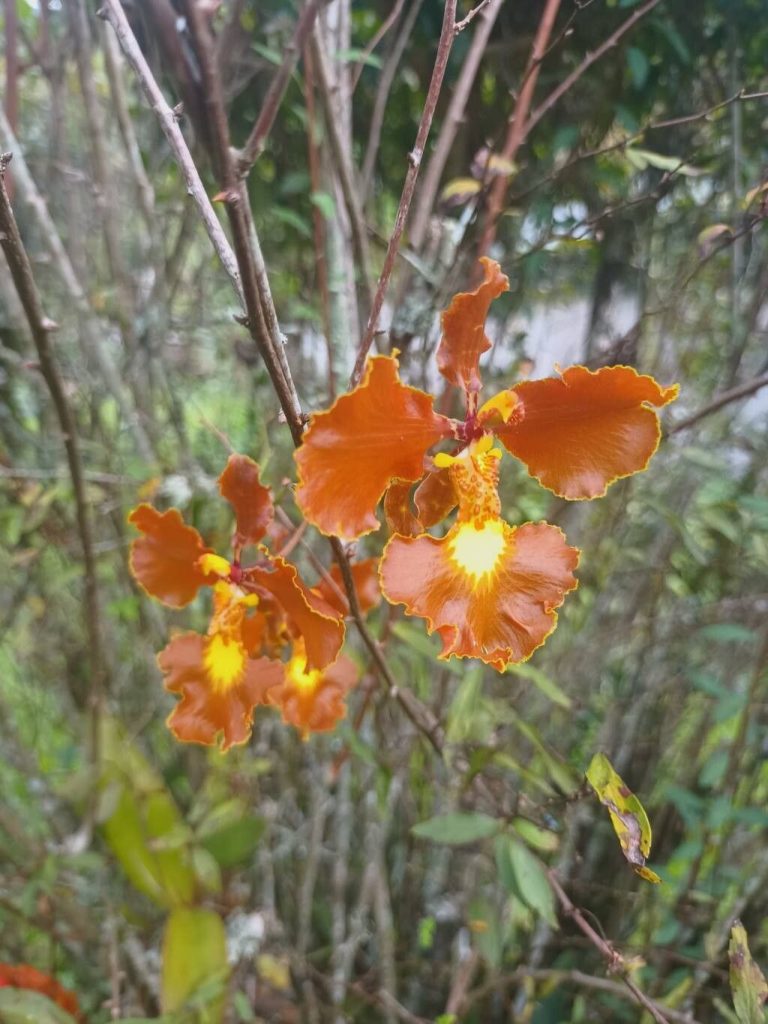
Propagating Gomesa imperatoris-maximiliani: A Gardener’s Guide
Introduction
Gomesa imperatoris-maximiliani, also known as the Maximilian’s Gomesa or sometimes simply Maximilian’s Orchid, is a captivating orchid species prized for its vibrant, often richly colored flowers and elegant growth habit. Its horticultural significance lies in its relatively compact size, making it suitable for cultivation in smaller spaces, and its appealing blooms that add a touch of exotic beauty to any collection. While many orchid enthusiasts cherish this species, propagating Gomesa imperatoris-maximiliani presents unique challenges, making successful propagation a rewarding accomplishment. The rarity of this species in cultivation further emphasizes the importance of understanding its propagation methods.
Seed Germination
Currently, there are no known reliable methods for seed germination propagation of Gomesa imperatoris-maximiliani. Orchid seeds are notoriously tiny and lack endosperm, requiring a symbiotic relationship with specific fungi for germination. Establishing this mycorrhizal association in a controlled environment for this specific species has proven exceptionally difficult. Further research is needed to determine viable protocols for seed germination.
Cuttings
Currently, there are no known reliable methods for propagating Gomesa imperatoris-maximiliani from stem or leaf cuttings. Orchids generally don’t readily regenerate from cuttings like some other plants. The specialized tissues and symbiotic relationships necessary for growth are not easily replicated outside of the parent plant.
Division
Division is the most commonly successful method for propagating Gomesa imperatoris-maximiliani. This involves carefully separating the plant’s pseudobulbs, ensuring each division has sufficient roots and healthy growth points.
Challenges: Dividing this orchid requires patience and a delicate touch to avoid damaging the fragile roots and pseudobulbs. Overly aggressive division can lead to plant failure.
Practical Tips: The best time for division is typically during the active growth period, usually after flowering but before new growth begins. Use a sharp, sterile knife or pruning shears. Ensure each division has at least three mature pseudobulbs and a healthy root system. Plant divisions in a well-draining orchid mix. Maintain high humidity and consistent watering.
Rewards: This method allows for the relatively straightforward increase of plant numbers, maintaining the genetic characteristics of the parent plant.
Tissue Culture
Tissue culture offers a potential avenue for large-scale propagation of Gomesa imperatoris-maximiliani. This technique involves growing plantlets from small tissue samples under sterile conditions in a nutrient-rich medium.
Challenges: Establishing and maintaining a sterile environment, developing the correct nutrient medium, and controlling contamination are significant hurdles. The specific requirements for Gomesa imperatoris-maximiliani are yet to be fully determined, and this method necessitates specialized equipment and expertise.
Practical Tips: Success depends heavily on meticulous hygiene and precise control of environmental factors. Experienced tissue culture laboratories are best equipped to undertake this method.
Rewards: Tissue culture offers the potential for mass propagation, generating a large number of genetically identical plantlets from a single source. This is particularly beneficial for the conservation of rare or endangered species.
Conclusion
Propagating Gomesa imperatoris-maximiliani poses challenges across all common methods. While seed germination and stem cuttings appear currently unfeasible, division offers a realistic, albeit careful, approach for the home enthusiast. Tissue culture represents a more advanced and potentially high-yield method, but requires significant expertise and resources. The unique satisfaction of successfully propagating this exquisite orchid, after overcoming these difficulties, is immensely rewarding. The knowledge gained and the plants yielded are a testament to the grower’s dedication and patience. For aspiring propagators, I encourage a cautious approach, starting with division if you have an established plant, and seeking expert advice before attempting tissue culture. The journey, despite its difficulties, is worth the beauty of the resulting blooms.