
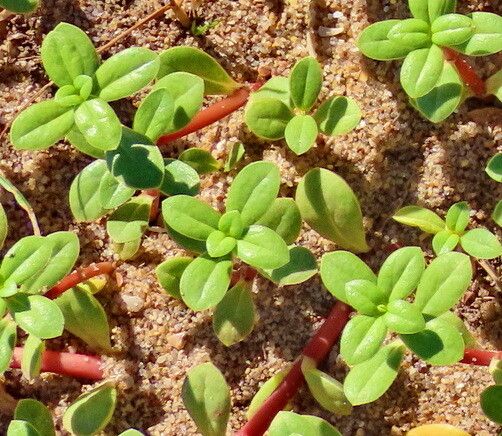
Propagating Gomphrena portulacoides: A Gardener’s Guide
Gomphrena portulacoides, also known as the Seaside Globe Amaranth or marsh globe amaranth, is a charming, low-growing perennial boasting small, globe-shaped flowers in shades of white, pink, or purple. Highly valued for its drought tolerance and attractiveness to pollinators, it holds a special place in the hearts of many gardeners. Its salt tolerance also makes it a popular choice for coastal gardens. However, propagating this resilient beauty can present unique challenges. This article explores various propagation methods, outlining their viability and offering practical advice.
Seed Germination:
Currently, there are no known reliable methods for seed germination propagation of Gomphrena portulacoides. While the plant produces seeds, germination rates are extremely low, making this method impractical for most home gardeners. Further research is needed to determine if specific pre-treatments or environmental conditions could improve germination success.
Cuttings:
Cuttings offer a far more reliable method for propagating Gomphrena portulacoides.
Challenges: The success rate can depend on factors like the age and health of the parent plant, the timing of the cuttings (ideally taken from actively growing stems), and the environmental conditions provided. Root rot can be a problem if the cuttings are over-watered.
Practical Tips: Take 4-6 inch stem cuttings from semi-hardwood growth in spring or summer. Remove lower leaves, dip the cut ends in rooting hormone, and plant them in a moist well-draining propagation mix (e.g., a mix of perlite and peat moss). Maintain high humidity (using a humidity dome or plastic bag) and provide bright, indirect light. Rooting can take several weeks.
Rewards: Cuttings offer a relatively quick way to obtain new plants, preserving the genetic characteristics of the parent plant. This ensures consistent flower colour and plant habit.
Division:
Division is a viable propagation method for established Gomphrena portulacoides plants.
Challenges: Division is only possible once the plant has formed a substantial root system, usually after several years of growth. Care must be taken to avoid damaging the roots during the process, which can impact the survival rate of the divisions.
Practical Tips: Divide the plant in early spring or late autumn when the plant is dormant. Carefully dig up the mature plant, gently separate it into smaller sections, ensuring each section has healthy roots and shoots. Replant the divisions immediately in suitable soil, ensuring adequate spacing.
Rewards: Division is a relatively simple method that allows for rapid increase of plant numbers, particularly useful for larger established plants.
Tissue Culture:
Tissue culture offers the potential for large-scale propagation of Gomphrena portulacoides.
Challenges: Tissue culture necessitates specialized equipment, sterile conditions, and expertise in plant tissue culture techniques. It is a more complex and expensive method than cuttings or division.
Practical Tips: This method is best left to professionals or experienced plant propagators with access to a tissue culture laboratory.
Rewards: Tissue culture allows for rapid multiplication of desirable genotypes, disease-free plants, and the potential for mass production.
Conclusion:
Propagating Gomphrena portulacoides presents varying levels of challenge depending on the chosen method. While seed germination is currently impractical, cuttings offer a relatively straightforward and reliable approach for home gardeners. Division is suitable for larger, established plants, while tissue culture is best suited for commercial propagation. The rewards of successfully propagating this beautiful and resilient plant—be it the joy of creating new plants from cuttings, the satisfaction of dividing a thriving specimen, or the sheer scale of achievement in mastering tissue culture—are well worth the effort. Don’t be discouraged by initial setbacks; persevere, learn from your experiences, and enjoy the journey of bringing more Seaside Globe Amaranth into your garden and the world.