
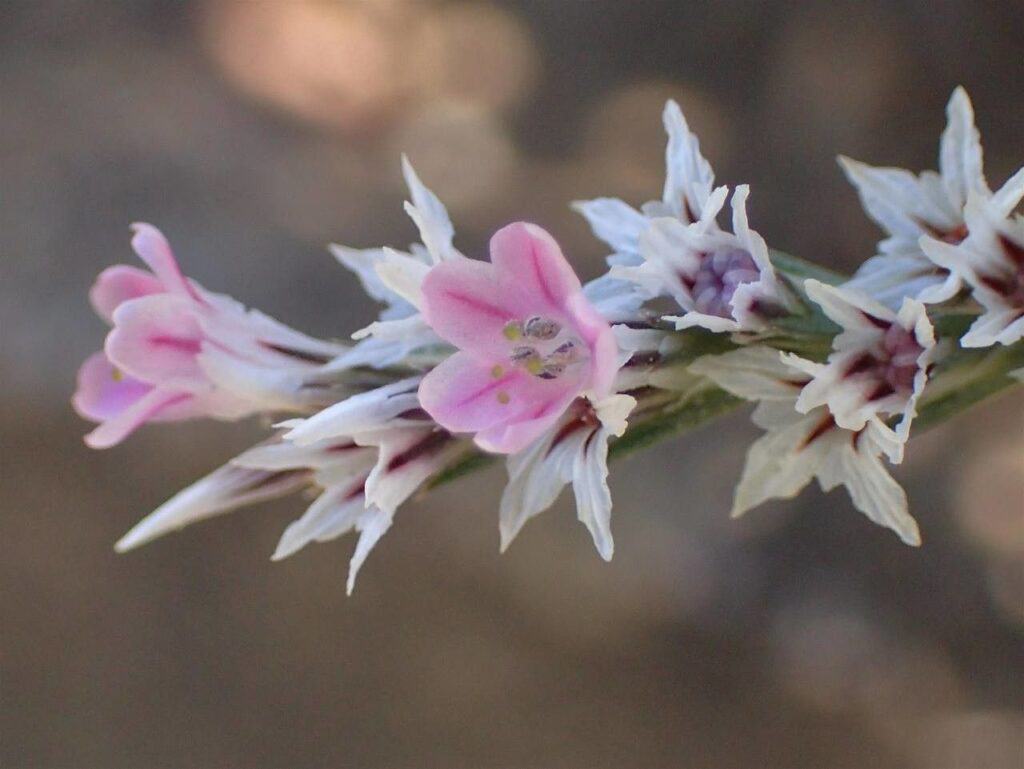
Whispering Wonders: How to Propagate the Enchanting Sea Lavender (Goniolimon tataricum)
With its airy plumes of misty lavender flowers and silvery-green foliage, Goniolimon tataricum, commonly known as German statice or sea lavender, brings an ethereal charm to any garden. This hardy perennial, native to Eastern Europe and Asia, thrives in well-drained soil and tolerates drought conditions, making it a relatively low-maintenance beauty. But did you know you can easily multiply your sea lavender and share its enchantment? Let’s delve into the fascinating world of Goniolimon tataricum propagation.
Sowing Seeds: A Journey from Dust to Delight
Starting Goniolimon tataricum from seed is a rewarding experience that gives you a front-row seat to the miracle of life. Here’s how to do it:
- Timing is Everything: Sow seeds indoors 6-8 weeks before the last expected frost. This ensures they have a head start before being transplanted outdoors.
- Prepare the Seedbed: Use seed trays or small pots filled with well-draining seed starting mix.
- Sow with Care: Scatter seeds thinly over the surface, barely pressing them into the mix. Light is essential for germination.
- Moisture and Warmth: Mist the soil gently and cover the tray with a plastic dome or wrap to retain moisture. Maintain a temperature of 65-70°F (18-21°C).
- Light Show: Place the tray in a bright location, but out of direct sunlight to avoid scorching the delicate seedlings.
- Germination Anticipation: Be patient! Germination can take anywhere from 2-4 weeks.
- Transplanting Triumph: Once seedlings develop a couple of true leaves, carefully transplant them into individual pots to allow for further growth.
Division: Sharing the Bounty
Mature Goniolimon tataricum clumps can be divided in spring or early fall, a simple method to propagate more plants:
- Digging Deep: Carefully dig around the plant, ensuring you lift the entire root system.
- Division Tactics: Use a sharp knife or garden spade to divide the clump into smaller sections, each containing healthy roots and shoots.
- Relocation and Revival: Replant the divisions in well-prepared soil, providing ample space for growth. Water thoroughly to help them establish.
Cuttings: Cloning the Charm
While slightly less common, Goniolimon tataricum can be propagated from basal cuttings taken in spring:
- Sharp and Sterile: Use a clean, sharp knife or pair of pruning shears to take 3-4 inch cuttings from the base of the plant.
- Hormonal Help: Dip the cut ends in rooting hormone to encourage root development.
- Planting Preparations: Fill small pots with a mix of perlite and vermiculite for good drainage and aeration.
- Nurturing New Roots: Insert the cuttings into the potting mix, water gently, and cover with a plastic bag to create a humid environment.
- Rooting Revelation: Within a few weeks, cuttings should develop roots. Once roots are established, transplant them to larger pots or directly into the garden.
Propagating Patience: A Waiting Game
Regardless of the method you choose, remember that patience is key when propagating Goniolimon tataricum. With proper care and attention, your efforts will be rewarded with a flourishing collection of these enchanting plants. So, why not share the magic of sea lavender with friends and fellow gardeners? After all, the beauty of nature multiplies when shared.