
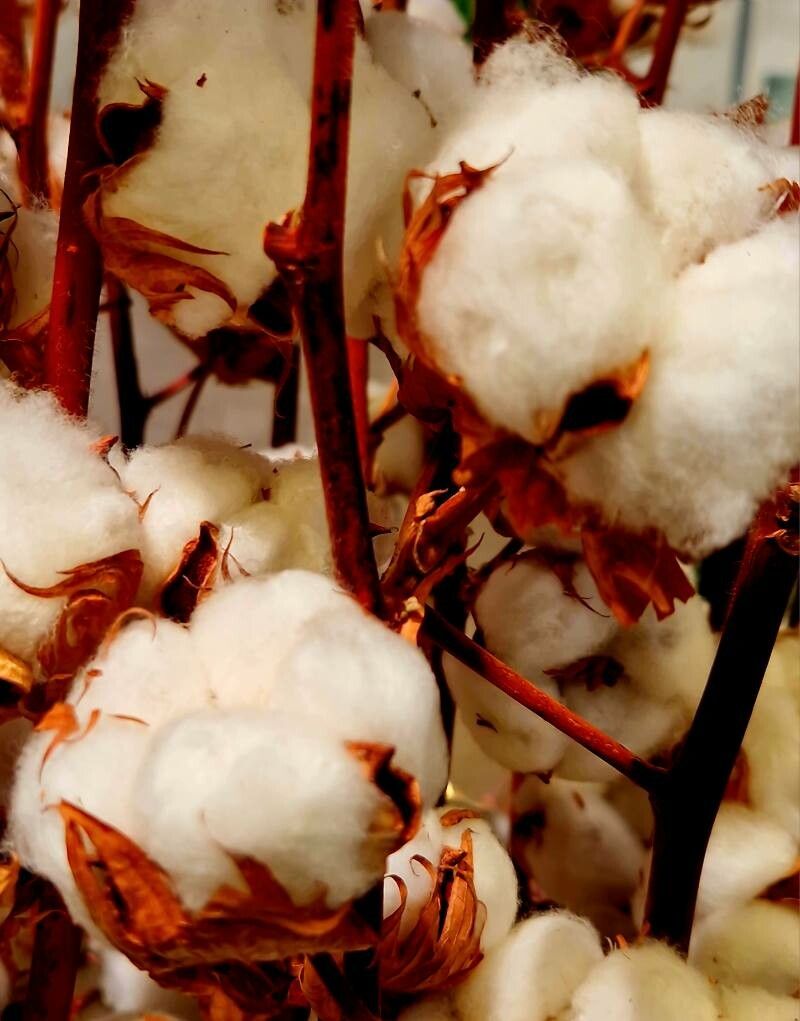
From Cotton Fields to Your Home: Propagating the King of Softness (Gossypium hirsutum)
Cotton. The name conjures up images of fluffy white fields, soft t-shirts, and perhaps even the comforting feeling of an old, well-loved blanket. But did you know that this versatile plant, known botanically as Gossypium hirsutum, can actually be grown in your own home? And even better, you can easily propagate it yourself, ensuring a constant supply of this fascinating plant.
Growing from Seed:
The most common method for propagating cotton is from seed. It’s surprisingly simple!
- Start with fresh seeds: Obtain seeds from a reputable source, ensuring they are from the Gossypium hirsutum variety. These can be ordered online, sourced from local nurseries, or even saved from your own cotton plants.
- Prepare the soil: Cotton prefers well-drained soil. A mixture of potting soil and perlite or vermiculite will provide the perfect environment for germination.
- Sowing: Place seeds about 1/4 inch deep in the soil. Leave 2-3 inches of space between seeds.
- Moisture and warmth: Keep the soil consistently moist and covered with a clear plastic dome or plastic wrap to create a humid environment. The ideal temperature for germination is around 70-80°F.
- Germination: Expect germination within 10-14 days. Once seedlings emerge, remove the covering and provide them with ample sunlight.
Starting with Cuttings:
While not as common as seed propagation, rooting cotton cuttings is a viable option, especially for preserving specific cultivars or desirable traits.
- Select healthy stem tips: Cuttings taken from the growing tips of a healthy plant offer the best chance of success.
- Make a clean cut: Utilize a sharp knife or pair of shears to make a clean cut just below a node, where leaves emerge from the stem.
- Prepping for rooting: Remove any leaves below the soil line and dip the cut end in rooting hormone.
- Planting: Insert the cuttings into a moisture-retentive rooting medium like a mix of peat moss and perlite.
- Maintaining a consistent environment: Place the cuttings in a warm, humid environment with indirect sunlight. A propagation dome or plastic bag can help maintain humidity levels.
- Patience is key: Rooting can take several weeks, but with patience and proper care, your cotton cuttings will eventually develop roots and a strong, independent plant.
Beyond the Basics:
Once your cotton plants are established, providing them with adequate sunlight, proper watering, and occasional fertilizer will ensure their continued growth and success. Remember, cotton plants prefer warm temperatures and a sunny location. As they mature, you’ll witness the fascinating development of the cotton bolls, those pods that contain the iconic fluffy fibers.
Beyond the Garden:
Gossypium hirsutum is more than just a cotton field. It’s a fascinating plant with a rich history, countless uses, and the potential to thrive in your home. Whether you’re looking to explore a unique indoor plant or simply experience the joy of propagating your own cotton, the journey is both rewarding and educational. So, dive in, get your hands dirty, and watch as your own cotton plant blossoms, from seed to the softest, fluffiest reward.