
Propagating Gossypium sturtianum: The Challenges and Rewards of Cultivating Australian Native Cotton
Introduction:
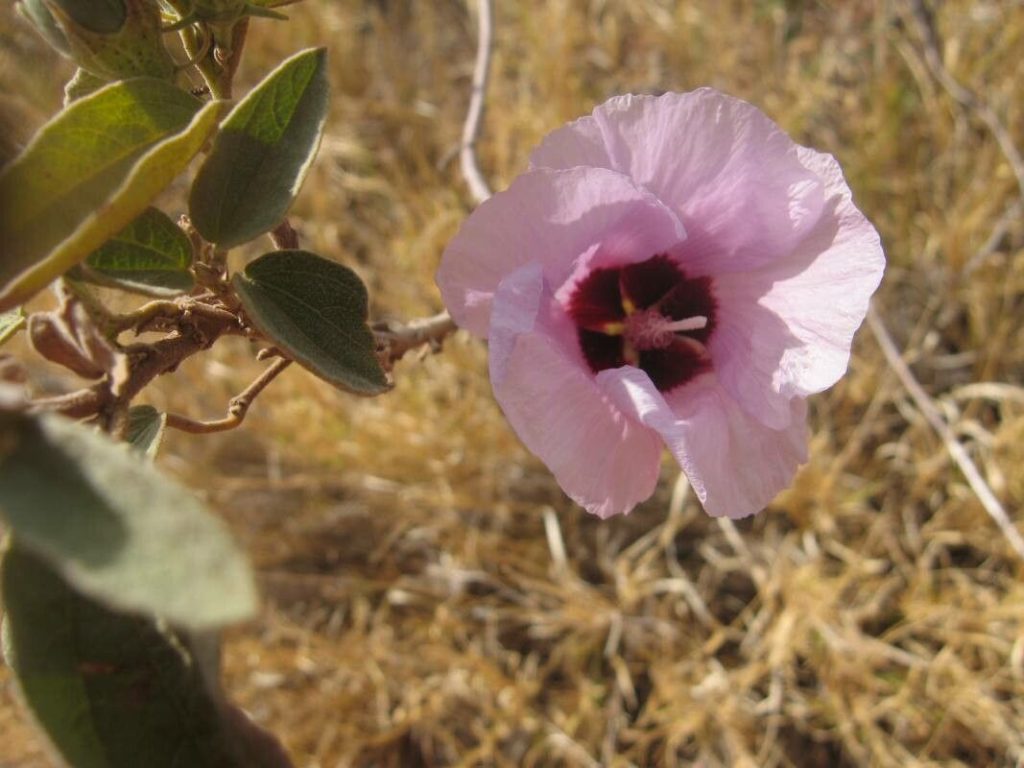
Gossypium sturtianum, commonly known as Sturtian cotton or native cotton, is a captivating Australian native shrub prized for its striking, vibrant pink flowers and attractive, fluffy seed pods. Its tolerance to drought and ability to thrive in harsh conditions makes it a popular choice among gardeners seeking low-maintenance, resilient landscaping options. Unlike its commercially cultivated cousins, Sturtian cotton is primarily grown for its ornamental value and ecological significance. Its propagation, however, presents some unique challenges.
Seed Germination:
Seed germination is a viable method for propagating Gossypium sturtianum, but it’s not always straightforward. Challenges include a relatively low germination rate and the need for specific conditions to mimic its natural environment. Seeds often require a period of stratification, a process mimicking the natural winter conditions experienced by the seeds in their native habitats. This can involve chilling the seeds in moist vermiculite or peat moss for several weeks at temperatures around 4°C (39°F). Sowing should then be done in well-draining seed-starting mix, kept moist but not waterlogged, in a warm, sunny location. Germination typically takes several weeks to several months.
Rewards: Successful seed germination offers the significant reward of genetic diversity, allowing for a wider range of plant characteristics. It also represents a cost-effective means to produce a large number of plants compared to other methods. The challenge of successfully germinating seed, however, is a significant hurdle to overcome, but yields great satisfaction.
Cuttings:
Cuttings offer a more reliable propagation method than seed germination. Semi-hardwood cuttings, taken in late spring or early summer, show the best success rate. These cuttings should be approximately 10-15cm long, taken from stems that are not flowering or fruiting. Dip the cut end in rooting hormone to promote root development. Plant cuttings in a well-draining potting mix, maintain high humidity (using a propagator or humidity dome), and ensure bright, indirect light. Rooting typically takes several weeks.
Challenges: While easier than seed germination, successful rooting still depends on maintaining consistently appropriate humidity and temperature.
Rewards: Compared to seed germination, cuttings produce a higher success rate, and the resulting plants are genetically identical to the parent plant, ensuring the preservation of desirable characteristics.
Division:
Division is not a practical propagation method for Gossypium sturtianum. This species does not readily form dense clumps suitable for division.
Tissue Culture:
Tissue culture offers potential for large-scale propagation of Gossypium sturtianum, but it requires specialized equipment, sterile conditions, and expertise in plant tissue culture techniques. This is generally not a feasible method for home gardeners.
Challenges: This method requires significant investment in equipment and expertise in sterile techniques, making it impractical for most amateur gardeners.
Rewards: Tissue culture allows for rapid mass propagation of genetically uniform plants. This is particularly useful for commercial purposes or when preserving rare or endangered cultivars.
Conclusion:
Propagating Gossypium sturtianum presents a unique set of challenges, varying significantly depending on the chosen method. While seed germination offers genetic diversity but a low success rate, cuttings provide a higher probability of success but with reduced genetic variety. Tissue culture offers high volume propagation but substantial technical barriers to entry. The rewards, however, are substantial: the satisfaction of successfully cultivating this beautiful native plant, contributing to its preservation in your garden, or potentially even propagating new plants for others to enjoy. The journey might be challenging, but the beauty of the Sturtian cotton in bloom is well worth the effort. Don’t be discouraged by initial setbacks; persistence and a willingness to experiment will ultimately lead to success for aspiring propagators.