
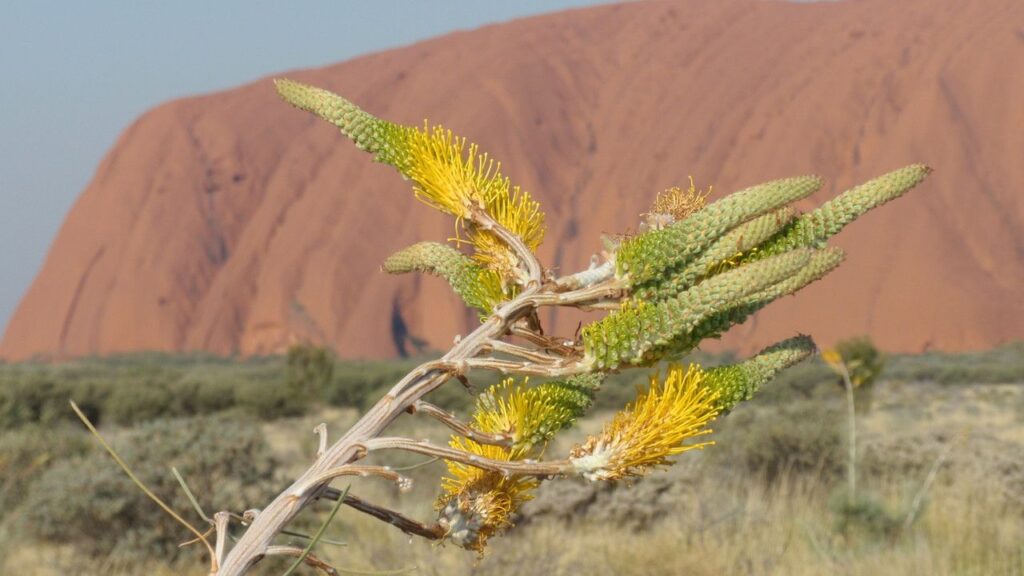
Propagating Grevillea eriostachya: A Gardener’s Guide
Introduction:
Grevillea eriostachya, commonly known as the Woolly Grevillea, is a captivating shrub prized for its striking woolly-textured foliage and vibrant, often red or orange, flower spikes. Native to Australia, this species holds significant horticultural value, boasting drought tolerance and attractiveness to nectar-feeding birds. Its unique aesthetic qualities and adaptability have made it a popular choice among gardeners, yet its propagation can present certain challenges. Understanding these challenges and employing appropriate techniques is key to successfully cultivating this beautiful plant.
Seed Germination:
Currently, there are no known reliable methods for seed germination propagation of Grevillea eriostachya. While some Grevillea species readily germinate from seed, this particular species appears recalcitrant, with seed viability often proving low and unpredictable. Further research into optimal germination protocols might yield results in the future, but currently, relying on seed propagation is not recommended.
Cuttings:
Cuttings offer a more reliable method for propagating Grevillea eriostachya.
Challenges: The main challenge lies in achieving successful rooting. Grevillea cuttings can be prone to fungal diseases and desiccation if not handled correctly.
Practical Tips: Semi-hardwood cuttings, taken in late spring or early summer, are generally preferred. Take cuttings approximately 10-15cm long, removing lower leaves to prevent rotting. Dip the cut ends in a rooting hormone powder before planting in a well-draining propagation mix (e.g., a blend of perlite and vermiculite). Maintain high humidity using a humidity dome or plastic bag and ensure adequate but not excessive moisture. A bottom heat propagator can significantly improve rooting success.
Rewards: Cuttings produce genetically identical plants, preserving desirable traits. This method is efficient for producing multiple plants from a single parent plant.
Division:
Division is generally not a viable propagation method for Grevillea eriostachya. Unlike some clump-forming shrubs, Woolly Grevillea typically doesn’t develop readily divisible root systems. Attempts at division often result in the death of the divided portions.
Tissue Culture:
Tissue culture presents a potential method, albeit complex and requiring specialized equipment and expertise.
Challenges: Establishing sterile cultures and maintaining the correct growth conditions are critical for success. This method requires specialized knowledge, laboratory facilities, and considerable time investment.
Practical Tips: Successful tissue culture involves sterilizing plant material, inoculating onto nutrient agar, and maintaining aseptic conditions throughout the process. Various growth regulators may be necessary to induce shoot multiplication and rooting.
Rewards: Large-scale propagation is possible, offering the potential to produce large numbers of genetically uniform plants. This method is also advantageous for disease elimination.
Conclusion:
Propagating Grevillea eriostachya presents distinct challenges, predominantly due to its recalcitrance to seed germination and the need for precise techniques with cuttings. While tissue culture offers a high-output solution, it demands specialized knowledge and resources. The most accessible and reliable method remains the propagation from cuttings, requiring patience, attention to detail, and the right environmental conditions. Despite these difficulties, the rewarding sight of a flourishing Woolly Grevillea, nurtured from a single cutting, makes the effort worthwhile. The unique textural foliage and beautiful blooms far outweigh the initial challenges. The satisfaction of successfully cultivating this beautiful Australian native is a testament to perseverance and a rewarding experience for any enthusiastic gardener. Don’t be discouraged by setbacks; experiment with cuttings and learn from your experiences – the journey is as enriching as the destination.