
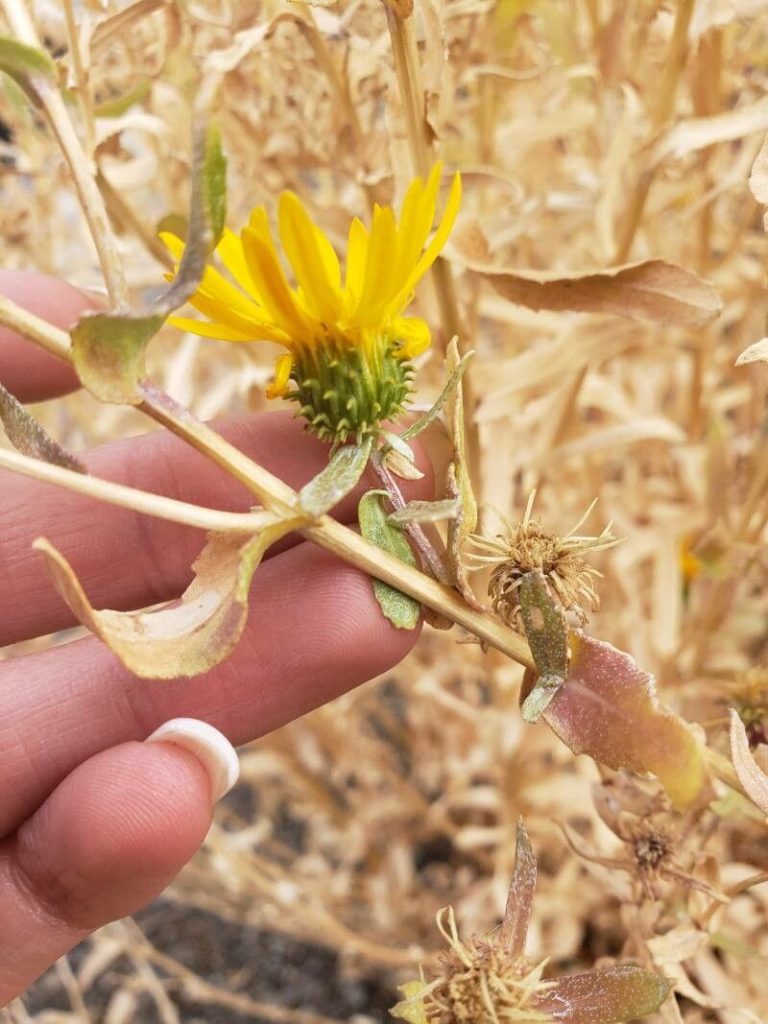
Propagating Grindelia subalpina: A Guide to Cultivating the Alpine Gumplant
Introduction:
Grindelia subalpina, commonly known as the alpine gumplant, is a captivating perennial wildflower prized for its vibrant yellow daisy-like blooms and resilience in challenging alpine environments. Its striking appearance and adaptability make it a sought-after addition to rock gardens, native plant displays, and naturalistic landscaping projects. However, its propagation presents unique challenges, making successful cultivation all the more rewarding. While readily available from nurseries specializing in native plants, propagating Grindelia subalpina from seed or other methods provides the gardener a deeper connection and allows for increased access to this beautiful species.
Seed Germination:
Currently, there are no known reliable methods for seed germination propagation of Grindelia subalpina. Limited success has been reported anecdotally, suggesting that seed viability may be low and germination requirements highly specific to microclimatic conditions found in its natural habitat. Further research is needed to determine appropriate stratification techniques or other pre-treatment methods that might improve germination rates.
Cuttings:
Cuttings offer a potentially more reliable method for propagating Grindelia subalpina.
-
Challenges: The success rate may depend on the timing (ideally during the active growing season), the age and health of the parent plant, and the use of appropriate rooting hormones and growing media. Hardwood cuttings may be less successful than semi-hardwood or softwood cuttings, depending on the specific cultivar.
-
Practical Tips: Take 4-6 inch cuttings from semi-hardwood stems in early summer. Remove lower leaves to prevent rot and dip the cut ends in rooting hormone before planting into a well-draining rooting mix (e.g., perlite and peat moss). Maintain high humidity and consistent moisture using propagation trays or humidity domes.
-
Rewards: Cuttings provide a quick and efficient means to multiply desired genotypes. It bypasses the unpredictable nature of seed germination, ensuring the propagation of plants with desirable traits.
Division:
Division is another viable method for propagating Grindelia subalpina.
-
Challenges: This method relies on established, mature plants, limiting its use for large-scale propagation. Care must be taken to avoid damaging the root system during division. Division may stress the plants, and they may require time to recover and re-establish themselves.
-
Practical Tips: The best time for division is in spring or fall, when the plant is actively growing but not under the stress of extreme heat or cold. Gently dig around the base of the plant, carefully separating the root clumps with a sharp, clean knife or spade, ensuring each division has a healthy root system and several growing points. Replant immediately into well-draining soil.
-
Rewards: Division is a relatively straightforward technique, leading to rapid increases in the number of plants, preserving the genetic characteristics of the parent plant
Tissue Culture:
Tissue culture is generally only attempted in commercial propagation settings or research environments due to cost and complexity. For Grindelia subalpina, there is limited published information on tissue culture success.
-
Challenges: Establishing sterile conditions and optimizing culture media are critical for this method. The development of appropriate protocols specifically tailored to Grindelia subalpina would require significant research investment.
-
Practical Tips: Not applicable for the home propagator. Research on suitable media, growth regulators and protocols would be necessary before attempting this method.
-
Rewards: Offers the potential for mass-scale propagation of disease-free plants with consistent genetic uniformity whilst allowing for genetic modification
Conclusion:
Propagating Grindelia subalpina offers a unique challenge and satisfaction for the dedicated gardener. While seed germination remains unreliable, cuttings and division provide viable pathways to cultivate this alpine beauty. The rewards of successfully propagating this resilient plant—be it the vibrant blooms in one’s garden, or the contribution to its conservation—far outweigh the effort. The knowledge gained and the connection established with the plant through the propagation process add a significant dimension to the joy of gardening. Aspiring propagators are encouraged to experiment with cuttings and division, learning from each attempt, and celebrating the successes along the way. Patience, meticulous care, and a little bit of luck are your allies in this endeavor.