
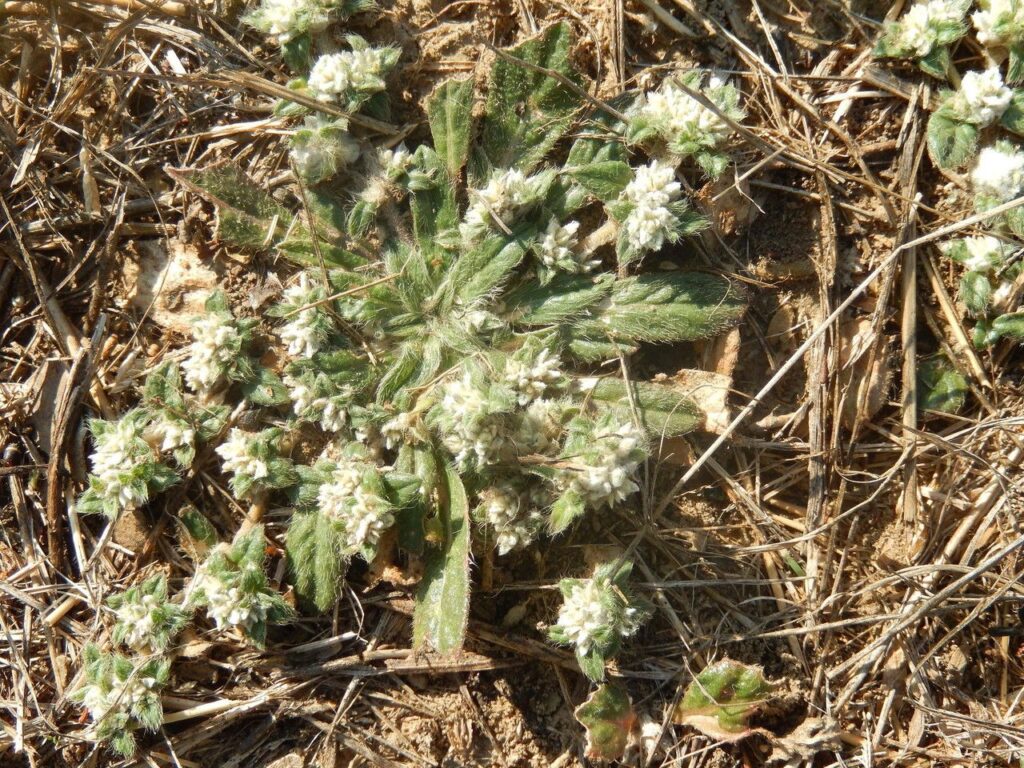
Guilleminea Lanuginosa: Master the Art of Multiplying this Charming Groundcover
Guilleminea lanuginosa, also known as hairy amaranth or cottonflower, is a charming groundcover prized for its delicate foliage and unique, fuzzy flower clusters. While often overlooked, this low-maintenance plant adds a touch of whimsy and texture to gardens, particularly in dry and sunny locations. Whether you’re looking to expand an existing patch or share the joy of this plant with fellow gardeners, propagating Guilleminea lanuginosa is a surprisingly simple endeavor. Let’s explore the two most effective methods:
Method 1: Seed Propagation
-
Harvesting Seeds: Keep an eye out for the tiny, cotton-like flower clusters that emerge in late summer or early fall. These eventually develop into small, seed-containing capsules. Once the capsules turn brown and dry, carefully collect them and store them in a cool, dry place until you’re ready to sow.
-
Sowing the Seeds: Guilleminea lanuginosa seeds germinate best with a bit of warmth. In spring, start them indoors about 6-8 weeks before the last expected frost. Use a well-draining seed starting mix and sow the seeds on the surface, pressing them lightly. Mist the soil and cover the tray with a plastic dome or wrap to retain moisture.
-
Providing Optimal Conditions: Place the seed tray in a warm, bright location, but out of direct sunlight. Keep the soil consistently moist but not waterlogged. Germination usually occurs within 1-2 weeks.
- Transplanting Seedlings: Once the seedlings develop at least two sets of true leaves, they’re ready to be transplanted into individual pots or directly into the garden after the last frost. Choose a sunny location with well-drained soil.
Method 2: Division
For a quicker and more immediate propagation method, division is an excellent option, particularly for established Guilleminea lanuginosa plants.
-
Timing is Key: Early spring, just as new growth emerges, is the ideal time to divide your plants.
-
Dividing the Plant: Carefully dig up the entire plant, ensuring you get as much of the root system as possible. Gently loosen the soil around the roots and look for natural divisions in the clump. You can use your hands or a sharp, clean knife to separate the plant into sections, ensuring each section has a good amount of roots and shoots.
- Replanting Divisions: Replant the divisions immediately in their new locations, ensuring the crown of the plant sits level with the soil surface. Water them well and keep the soil consistently moist until the divisions are established.
Tips for Success:
- Guilleminea lanuginosa thrives in full sun to partial shade but tolerates full sun exceptionally well, even in hot climates.
- Choose a well-drained soil, as this plant is susceptible to root rot in overly wet conditions.
- Once established, Guilleminea lanuginosa is relatively drought-tolerant but benefits from occasional watering during prolonged dry spells.
Propagating Guilleminea lanuginosa is a rewarding experience, allowing you to expand your garden’s charm effortlessly. With a bit of patience and care, you’ll soon be enjoying this unique groundcover in all its glory.