
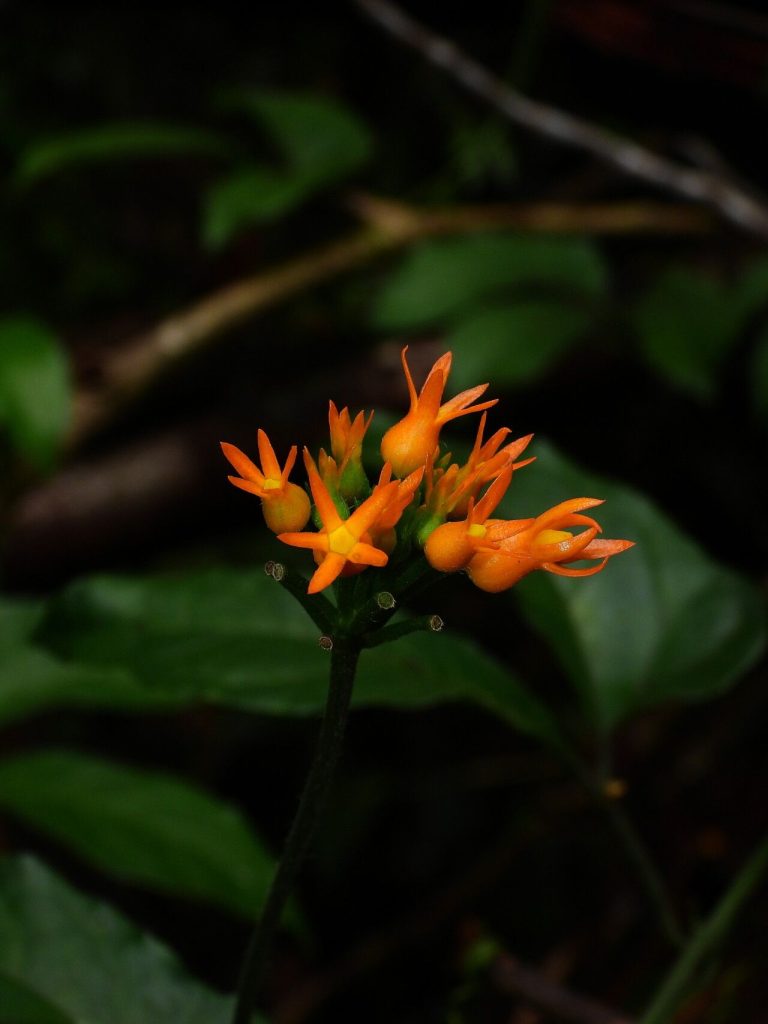
Propagating Gurania acuminata: A Gardener’s Guide to the Emerald Creeper
Gurania acuminata, commonly known as the emerald creeper, is a captivating vine prized for its rapid growth, attractive foliage, and delicate, often fragrant, flowers. Its vibrant green leaves and cascading habit make it a popular choice for covering fences, walls, and trellises, adding a touch of verdant beauty to any garden. However, its propagation can present unique challenges, prompting gardeners to explore various techniques. This article explores the different methods of propagating Gurania acuminata and the associated successes and obstacles.
Seed Germination:
Currently, there are no known reliable methods for seed germination propagation of Gurania acuminata. While seeds may be produced, germination rates are reported as extremely low, even under optimal conditions. Further research is needed to establish consistent protocols for seed-based propagation.
Cuttings:
Cuttings represent a more promising method for propagating Gurania acuminata.
- Challenges: Success with cuttings hinges on achieving proper rooting. The relatively soft, succulent stems can be prone to rot if not handled carefully and provided with ideal humidity and warmth.
- Practical Tips: Take semi-hardwood cuttings in late spring or early summer. Select healthy, non-flowering stems, about 4-6 inches long, with several leaves. Remove lower leaves to prevent rot and dip the cut ends in a rooting hormone powder. Plant the cuttings in a well-draining potting mix, keeping the humidity high (e.g., using a humidity dome or propagator). Consistent warmth (around 70-75°F) is crucial. Mist regularly to prevent desiccation.
- Rewards: Cuttings offer a relatively quick way to generate new plants, preserving the genetic characteristics of the parent plant. This method is ideal for smaller-scale propagation and creating exact copies of desirable specimens.
Division:
Division of established plants is another viable option, particularly for mature Gurania acuminata with extensive root systems.
- Challenges: Dividing the root system requires careful handling to avoid damaging the delicate roots and stems. This method is only effective for mature, well-established vines.
- Practical Tips: Ideally, division should be undertaken during the spring or early summer before the onset of new growth. Gently dig up the plant, and carefully separate it into smaller portions, ensuring each division has a healthy root system and several stems. Replant the divisions promptly in well-prepared soil.
- Rewards: Division is a relatively straightforward method, providing successful propagation without the more technical demands of cuttings or tissue culture. It allows for increasing the plant population quickly, provided you have large, mature plants to divide.
Tissue Culture:
Tissue culture is a more advanced propagation technique that offers potential for large-scale propagation of Gurania acuminata.
- Challenges: This method requires specialized equipment, sterile conditions, and a good understanding of plant tissue culture techniques. It is significantly more complex and expensive than other methods.
- Practical Tips: Establishing a sterile environment is paramount. Specialized media and growth regulators are needed to achieve optimal callus formation and shoot development. This method requires considerable training and experience.
- Rewards: Tissue culture offers the potential for rapid and large-scale propagation, producing numerous genetically identical plants in a short timeframe. This opens the possibility for commercial cultivation and wider distribution of Gurania acuminata.
Conclusion:
Propagating Gurania acuminata presents a unique set of challenges, with seed propagation proving unreliable. Cuttings and especially division offer readily accessible methods for the home gardener. For larger-scale or commercial propagation, tissue culture presents significant opportunities, despite its complexity. The rewards, however, are great. Successfully cultivating this vigorous and beautiful vine, regardless of the method used, provides considerable satisfaction, a testament to the gardener’s patience, skill, and dedication. Don’t be discouraged by initial setbacks; experiment with the discussed methods and celebrate each new emerald creeper you successfully propagate.