
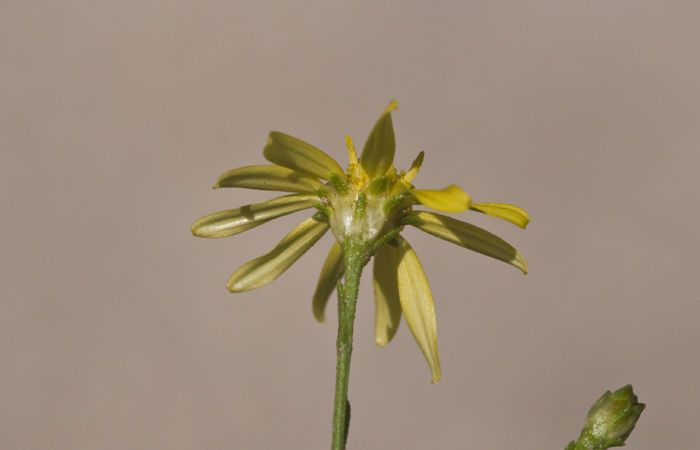
Spreading the Sunshine: Propagating Snakeweed (Gutierrezia sphaerocephala)
Gutierrezia sphaerocephala, better known as snakeweed or broomweed, often gets a bad rap. This hardy perennial, native to the western United States, is often considered a nuisance in pastures and rangelands. However, it’s also an important part of the ecosystem, providing nectar for pollinators and acting as a pioneer species in disturbed areas.
If you’re looking to encourage biodiversity in your garden or simply want to embrace the wild beauty of native plants, propagating Gutierreiza sphaerocephala might be an interesting endeavor. Here’s a closer look at how to successfully spread this little ray of sunshine:
Understanding Snakeweed’s Life Cycle:
Before you dive into propagation, it’s helpful to understand how snakeweed naturally reproduces. As a perennial, it comes back year after year from the same root system. It spreads primarily through seeds, which are produced in abundance within the small, yellow, button-like flowers that bloom in late summer and fall.
Methods for Propagation:
- Seed Collection and Sowing:
- The easiest way to propagate snakeweed is by collecting seeds. Once the flowers begin to dry and turn brown, carefully snip off the flower heads and place them in a paper bag to dry further.
- Once completely dry, give the bag a shake to release the seeds.
- Sow the seeds directly outdoors in fall or early spring. You can scatter them on bare soil and lightly rake them in, aiming for a depth of about ¼ inch.
- Snakeweed prefers full sun and well-drained soil, so choose your planting location accordingly.
- Division:
- While less common, mature snakeweed plants can be divided in early spring.
- Carefully dig up the plant, ensuring you get as much of the root system as possible.
- Using a sharp, clean knife or spade, divide the plant into sections, making sure each section has a good portion of roots and shoots.
- Replant the divisions immediately, watering them in well.
Tips for Success:
- Scarification: Snakeweed seeds have a hard outer coating that can benefit from scarification before planting. This process involves lightly scratching or nicking the seed coat to help with water absorption and germination. You can achieve this by gently rubbing the seeds between two pieces of sandpaper.
- Patience is Key: While snakeweed is known for its hardiness, germination can be slow. Don’t be discouraged if you don’t see sprouts immediately.
- Water Sparingly: Once established, snakeweed is drought tolerant. Provide supplemental water during establishment, but avoid overwatering, as this can lead to root rot.
- Embrace the Wild: Snakeweed has a naturally spreading habit. If planting in a garden setting, consider using a designated area or containers to prevent it from outcompeting other plants.
A Note of Caution:
While beneficial to pollinators, remember that snakeweed can be toxic to livestock in large quantities. If you live in an area with grazing animals, carefully consider the location and potential spread of your snakeweed plants.
Propagating Gutierreiza sphaerocephala might seem unconventional, but by understanding its needs and growth habits, you can help this often-misunderstood plant thrive. In doing so, you’ll be contributing to the biodiversity of your local ecosystem while adding a touch of resilient beauty to your surroundings.