
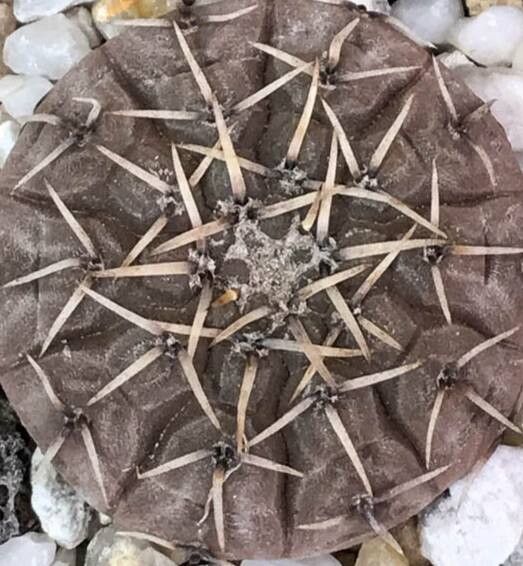
Propagating the Midnight Blue Cactus: Unveiling the Secrets of Gymnocalycium basiatrum
Gymnocalycium basiatrum, commonly known as the Midnight Blue Cactus, is a captivating succulent prized for its striking, dark, almost bluish-black skin and its relatively small size. This makes it a popular choice for cactus enthusiasts, fitting neatly into smaller collections or windowsill gardens. Its unique coloration and relatively slow growth also contribute to its horticultural significance. Propagating Gymnocalycium basiatrum, however, presents certain challenges, making successful cultivation particularly rewarding.
Seed Germination:
Seed germination is a viable method for propagating Gymnocalycium basiatrum, offering the rewards of genetic diversity and the potential for large-scale propagation. However, it presents several challenges. Seeds are notoriously small and require careful handling. Successful germination requires precise environmental control.
-
Challenges: Maintaining consistent warmth (around 25-30°C) and humidity is crucial. Overwatering can lead to damping off, a fungal disease that decimates seedlings. Sterile sowing mix is essential to prevent fungal infestations. Germination rates can be quite low, even under ideal conditions.
-
Tips: Sow seeds on a well-draining cactus and succulent mix, barely covering them with fine grit. Maintain high humidity using a propagator or covering the container with clear plastic. Provide bright, indirect light, avoiding direct sunlight which can scorch tiny seedlings. Gentle bottom watering is recommended to avoid disturbing the delicate seedlings. Stratification (a period of cold treatment) is generally not necessary for this species.
- Rewards: The successful germination of Gymnocalycium basiatrum seeds delivers genetically diverse plants, allowing for unique variations in color and form. It allows for the production of a large number of plants from a single seed pod, which is particularly advantageous for collectors or nurseries.
Cuttings:
Cuttings are not a reliable method for propagating Gymnocalycium basiatrum. This cactus does not readily produce offsets (pups) suitable for cutting propagation. Attempts to root stem cuttings are usually unsuccessful due to the plant’s slow growth rate and tendency towards rot.
- Currently, there are no known reliable methods for propagation of Gymnocalycium basiatrum via cuttings.
Division:
Division, separating established plants into multiple crowns, is also not a practical method. Gymnocalycium basiatrum typically develops a single, central growing point, thus limiting the opportunity for division. Forcing division would likely harm the parent plant without guaranteeing successful propagation of the separated parts.
- Currently, there are no known reliable methods for propagation of Gymnocalycium basiatrum via division.
Tissue Culture:
Tissue culture offers a highly efficient and controlled method for large-scale propagation of Gymnocalycium basiatrum. This advanced technique, however, requires specialized equipment, materials, and knowledge of sterile laboratory procedures.
-
Challenges: Setting up and maintaining a tissue culture lab requires significant investment and expertise. Contamination risks are high, and even skilled technicians experience setbacks.
-
Tips: This method is best left to professionals or highly experienced hobbyists with access to a sterile lab environment and appropriate media.
- Rewards: Tissue culture offers the possibility of rapid multiplication and the production of disease-free plants. This is particularly valuable for preserving rare or desirable genetic lines.
Conclusion:
Propagating Gymnocalycium basiatrum presents a unique set of challenges, with seed germination being the most viable option for the average enthusiast. While seed germination requires patience and precision, the rewards – a collection of these striking cacti born from successfully nurtured seeds – are well worth the effort. The difficulties involved only intensify the sense of accomplishment felt when observing healthy seedlings transform into mature plants. The other methods, cuttings, division and tissue culture, while offering potential, are not currently considered reliable options for most hobbyists. So, embrace the challenge, experiment with seed propagation, and enjoy the unique satisfaction that comes from cultivating this captivating Midnight Blue Cactus.