
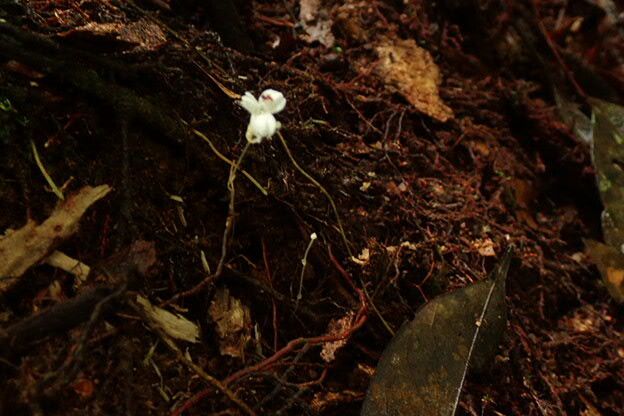
Unveiling the Secrets of Gymnosiphon longistylus: A Propagation Puzzle
Gymnosiphon longistylus, a member of the Burmanniaceae family, may not roll off the tongue easily, but this fascinating plant, with its ethereal, white flowers, captures the imagination. Found in the damp rainforests of South America and Africa, Gymnosiphon longistylus, like others in its genus, is a myco-heterotroph, meaning it derives nutrients not from photosynthesis but from a symbiotic relationship with fungi. This unusual lifestyle poses exciting challenges for plant enthusiasts keen on propagating it.
While obtaining Gymnosiphon longistylus through commercial means is uncommon, understanding its propagation can shed light on the fascinating interplay between plants and fungi. Currently, there are no widely documented successful methods for propagating Gymnosiphon longistylus outside its natural habitat. This is largely due to the plant’s absolute dependence on specific mycorrhizal fungi present in the soil for its survival and growth.
Here’s what we know and what continues to intrigue researchers:
Understanding the Symbiotic Relationship:
Gymnosiphon longistylus doesn’t produce chlorophyll, the green pigment enabling plants to produce food through photosynthesis. Instead, it forms a close relationship with specific mycorrhizal fungi. The fungi colonize the plant’s root system and act as a bridge, drawing nutrients from the surrounding environment and transferring them to the plant. In return, the fungi receive sugars and other compounds from the plant.
Challenges in Propagation:
Propagating Gymnosiphon longistylus is challenging because it requires replicating the specific conditions that foster this unique symbiotic relationship. Simply planting seeds in regular potting mix won’t suffice, as the essential fungi wouldn’t be present.
Potential Avenues for Propagation:
-
Seed Germination in the Presence of Host Fungi: Theoretically, germinating seeds in a substrate containing the specific mycorrhizal fungi could be successful. However, identifying and isolating these specific fungi remains a significant hurdle.
-
Division: Although not documented, if a Gymnosiphon longistylus plant forms clumps, carefully dividing these clumps, ensuring each section retains a portion of the root system with the associated fungi, could be a potential method.
- Tissue Culture: This technique involves growing plant cells in a controlled laboratory setting. While challenging, successfully culturing Gymnosiphon longistylus cells with the appropriate fungal partners could pave the way for large-scale propagation.
The Future of Gymnosiphon longistylus Propagation:
Unlocking the secrets to propagating Gymnosiphon longistylus requires deeper investigations into its symbiotic relationships. Further research into identifying, isolating, and cultivating the specific mycorrhizal fungi is vital.
While cultivating this intriguing plant outside its natural environment presents a true horticultural challenge, the pursuit itself can deepen our understanding of the complex interactions within our ecosystems. Each attempted propagation, even if unsuccessful, contributes valuable insights into the fascinating world of myco-heterotrophic plants like Gymnosiphon longistylus.