
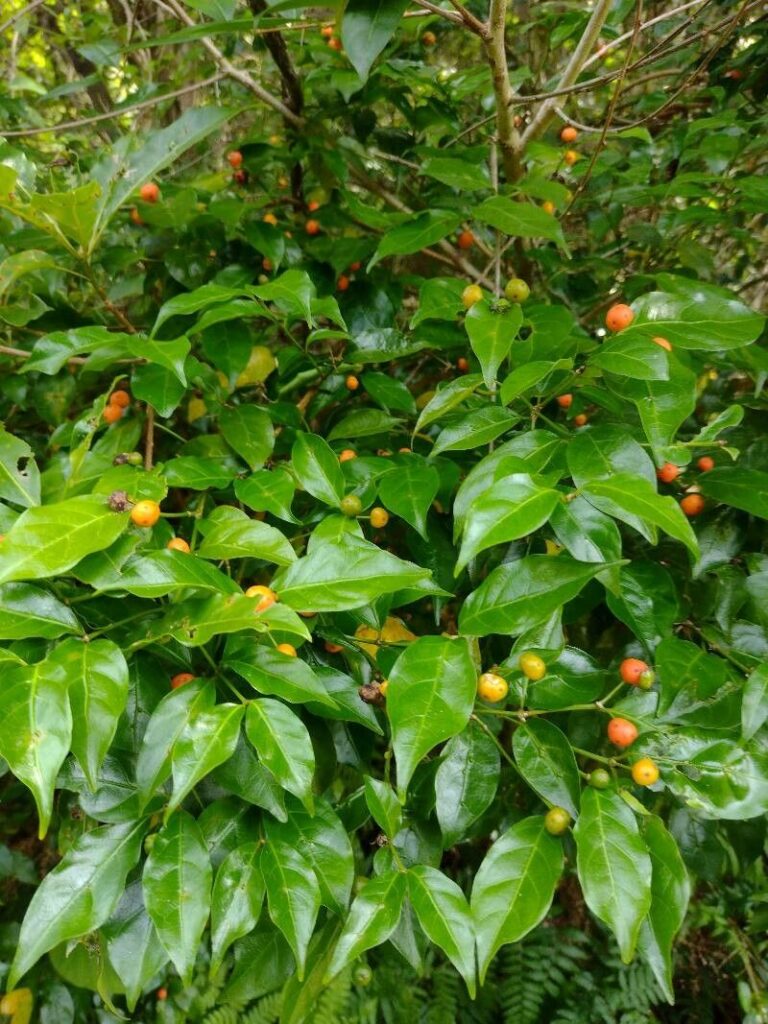
Unleash Your Inner Gardener: Propagating the Enchanting Climbing Jasmine (Gynochthodes jasminoides)
The Climbing Jasmine (Gynochthodes jasminoides), also known as the Star Jasmine or Angel Vine, is a beloved evergreen climber cherished for its fragrant star-shaped blooms and lush foliage. Whether you’re looking to expand your garden’s fragrant embrace or share the joy of this plant with a friend, propagating your Climbing Jasmine is a rewarding endeavor. Here’s how to successfully propagate this stunning climber using two popular techniques:
1. Stem Cuttings: A Step-by-Step Guide
Propagating Climbing Jasmine from cuttings is the most common and arguably the most successful method. This approach involves taking semi-hardwood cuttings, ideally in spring or early summer when the plant is actively growing.
Here’s what you need:
- Sharp, clean pruning shears or a knife: Sterilize your cutting tools with rubbing alcohol to prevent the spread of plant diseases.
- Potting medium: A well-draining potting mix designed for cuttings is ideal.
- Rooting hormone (optional but recommended): This promotes faster and healthier root development.
- Small pots (2-3 inches in diameter): These provide the ideal environment for the cuttings to establish roots.
Instructions:
- Choose your cuttings wisely: Select healthy, non-flowering stems about 4-6 inches long. Each cutting should have at least 2-3 nodes (small bumps on the stem where leaves emerge).
- Prepare the cuttings: Remove the leaves from the lower half of each cutting. If the remaining leaves are large, you can trim them in half horizontally to reduce water loss.
- Apply rooting hormone (optional): Dip the cut end of each stem in rooting hormone, following the product’s instructions.
- Plant your cuttings: Fill your small pots with the potting mix and make a hole in the center of each. Carefully insert a cutting into each hole, burying at least one node below the soil surface. Gently firm the soil around the cuttings.
- Water and provide humidity: Water the cuttings thoroughly, ensuring the soil is evenly moist but not waterlogged. To create a humid environment, you can place the pots inside a propagator or cover them with a clear plastic bag.
- Place in indirect light: Keep the cuttings in a warm, well-lit location out of direct sunlight, which can scorch the delicate new growth.
- Be patient: Root development takes time, usually between 4-8 weeks. You can gently tug on a cutting; resistance indicates root growth.
2. Layering: A More Gradual Approach
Layering is another effective method for propagating Climbing Jasmine, though it takes a bit longer than cuttings. This technique encourages root development while the stem is still attached to the parent plant.
Here’s how it works:
- Select a flexible stem: Choose a healthy stem located close to the ground.
- Wound the stem: Make a shallow cut or scrape on the underside of the chosen stem. This wound will encourage root formation.
- Prepare the layering site: Dig a shallow trench in the soil near the parent plant.
- Bury the stem: Bend the wounded section of the stem down and bury it in the trench. Use a small stone or landscape pin to keep the stem securely in place.
- Water consistently: Keep the soil around the layered stem consistently moist.
- Separate from the parent plant: After several months, check for root development. Once you see a healthy root system, you can sever the layered stem from the parent plant and transplant it to its desired location.
Caring for Your New Jasmine Plants
Once your new Climbing Jasmine plants are rooted, whether from cuttings or layering, they’re ready for transplantation. Choose a spot with well-draining soil and at least partial sun to full sun exposure. Water regularly, especially during dry periods, and provide a trellis or other support structure for your jasmine to climb and flourish.
With a little patience and these simple techniques, you can multiply your Climbing Jasmine, creating a beautifully scented and visually stunning addition to your garden for years to come.