
Unveiling the Mysteries of Gynochthodes Mollis Propagation: A Guide to Growing This Tropical Beauty
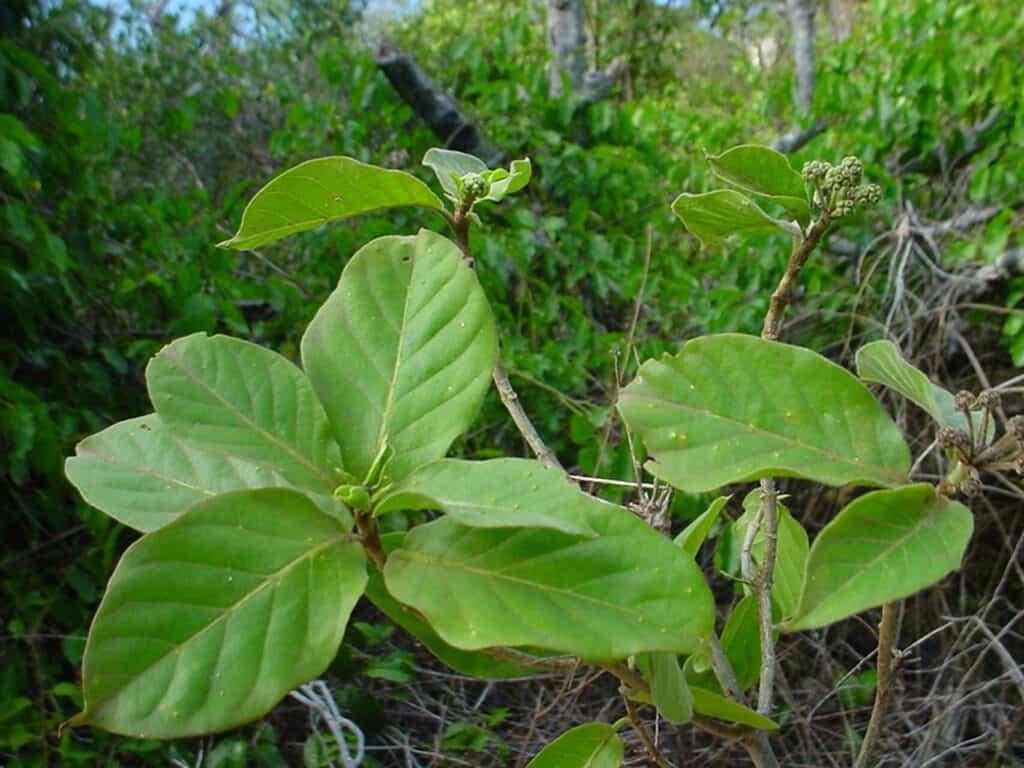
Gynochthodes mollis, also known as the Green Button Plant, is a captivating tropical climber recognized for its vibrant green foliage and intriguing button-like flower buds. While easily admired for its ornamental appeal, propagating this beauty might seem like a gardener’s enigma. Fear not! We’re here to demystify the process and equip you with the knowledge to grow new Gynochthodes mollis plants with confidence.
Understanding Gynochthodes Mollis
Before diving into propagation, it’s crucial to understand what makes this plant tick. Gynochthodes mollis thrives in warm, humid climates and prefers bright, indirect sunlight. In its natural habitat, it rambles freely, clinging to trees and structures for support. This climber prefers well-drained soil rich in organic matter. Knowing these preferences will help you create the ideal environment for successful propagation.
Propagation Methods: Exploring your Options
There are two primary ways to propagate Gynochthodes mollis:
-
Stem Cuttings: This method involves taking a section of a healthy stem and encouraging it to develop roots.
- Seed Propagation: While possible, propagating Gynochthodes mollis from seeds can be challenging as seeds are not readily available and may have specific germination requirements.
For beginners, we recommend the stem cutting method due to its relatively higher success rate and ease of execution.
Step-by-Step Guide to Stem Cutting Propagation
1. Timing is Key: The best time for taking stem cuttings is during the plant’s active growing season, ideally in spring or early summer.
2. Gather your tools: You’ll need a sharp, sterilized pruning shear or knife, a rooting hormone (optional but recommended), and a well-draining potting mix.
3. Select a Healthy Stem: Choose a stem that is firm, healthy, and free from pests or diseases. Ideally, the stem should be around 4-6 inches long and have at least 2-3 leaf nodes.
4. Make the Cut: Using your sterilized tool, cut just below a leaf node at a 45-degree angle. Remove the leaves from the lower one-third of the stem.
5. Hormonal Boost (Optional): Dip the cut end of the stem in a rooting hormone powder to stimulate faster root development.
6. Potting Time: Plant the prepared cutting in a pot filled with the well-draining potting mix. Bury the bottom node, ensuring the remaining leaves are above the soil line.
7. Creating a Humid Environment: Cover the pot with a clear plastic bag or use a humidity dome to create a warm, humid environment crucial for root development.
8. Patience is a Virtue: Place the pot in a bright, indirect location, away from direct sunlight. Keep the soil consistently moist but not waterlogged.
9. Signs of Success: After 4-6 weeks, you should start seeing new growth, indicating successful rooting. Gently tug on the cutting; resistance signifies established roots.
10. Transplanting: Once roots are well-established, transplant the rooted cutting into a larger pot or desired location in your garden.
Tips for Success:
- Choose young, healthy stems for cuttings.
- Provide adequate humidity and warmth during the rooting phase.
- Use a well-draining potting mix to prevent root rot.
- Be patient! Rooting can take several weeks.
Propagating Gynochthodes mollis requires a bit of patience and care, but the reward of watching your efforts blossom is truly gratifying. By following these steps, you can easily multiply your collection of this enchanting tropical plant, adding a touch of lush greenery and unique beauty to your indoor or outdoor space.