
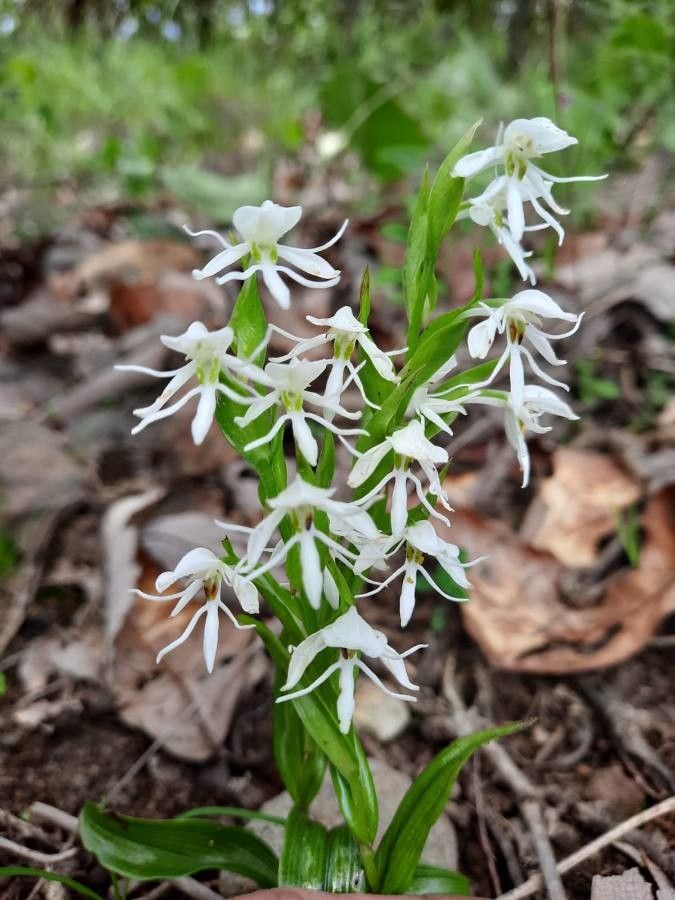
Unveiling the Mysteries of Habenaria cuevasiana Propagation: A Guide for the Intrepid Grower
Habenaria cuevasiana, with its delicate, ghost-like blooms, is a sight to behold. This rare orchid, native to the Philippines, is a coveted treasure among orchid enthusiasts, but its rarity can be attributed, in part, to the challenges involved in its propagation. However, with dedication and the right knowledge, even novice growers can increase their chances of successfully propagating this exquisite species.
This comprehensive guide will delve into the fascinating, and sometimes complex, world of Habenaria cuevasiana propagation, equipping you with the tools and understanding to cultivate more of these botanical gems.
Understanding the Basics: Symbiotic Relationships and Growth Habits
Before diving into specific propagation techniques, it’s crucial to grasp the unique biology of this orchid. Habenaria cuevasiana, like all orchids, forms a symbiotic relationship with mycorrhizal fungi in the wild. These fungi colonize the orchid’s roots and assist in nutrient uptake, particularly during the seedling stage. Understanding this intricate relationship is key to successful propagation.
This species is terrestrial, meaning it grows in soil rather than epiphytically on other plants. This characteristic influences its propagation methods and care requirements.
Propagation Methods: A Two-Pronged Approach
Propagating Habenaria cuevasiana primarily involves two methods:
-
Seed Germination: This method, while rewarding, presents a significant challenge. Habenaria cuevasiana seeds are incredibly small and lack endosperm, the nutrient-rich tissue found in most seeds. This means they require the presence of specific mycorrhizal fungi for germination.
- Flask Germination: This method involves sowing seeds in a sterile, nutrient-rich medium inoculated with the appropriate mycorrhizal fungi. This process demands meticulous attention to sterility and a good understanding of fungal interactions. While challenging, flask germination offers the potential to produce many plants.
-
Division: Mature, healthy Habenaria cuevasiana plants will occasionally produce offsets or “keikis” at the base of the plant. Once these offsets develop their own root systems, they can be carefully separated from the mother plant and potted individually.
- Timing is Key: The best time for division is during the plant’s active growth period, typically in spring or early summer. Be sure to use a sharp, sterilized blade to minimize the risk of infection.
Essential Care for Successful Propagation
Regardless of the chosen propagation method, providing optimal growing conditions is crucial for success:
- Well-Draining Media: A terrestrial orchid mix, consisting of ingredients such as bark chips, perlite, and coco coir, is essential for proper drainage and aeration.
- Filtered Light: Habenaria cuevasiana thrives in bright, indirect light, mimicking its natural forest floor habitat.
- Consistent Moisture: Maintain consistently moist, but not waterlogged, media.
- High Humidity: Replicating the humidity levels of its tropical origin is crucial. A humidity tray or humidifier can be beneficial.
- Patience is a Virtue: Remember, Habenaria cuevasiana propagation takes time and dedication. Don’t be discouraged if success isn’t immediate.
A Final Note
Propagating Habenaria cuevasiana is a rewarding endeavor for dedicated orchid enthusiasts. While not without its challenges, understanding this unique orchid’s biology, utilizing appropriate techniques, and providing dedicated care will greatly increase your likelihood of success. With patience and perseverance, you can play a role in ensuring the continued survival and appreciation of this exquisite species.